





The Visual Language of Warmth
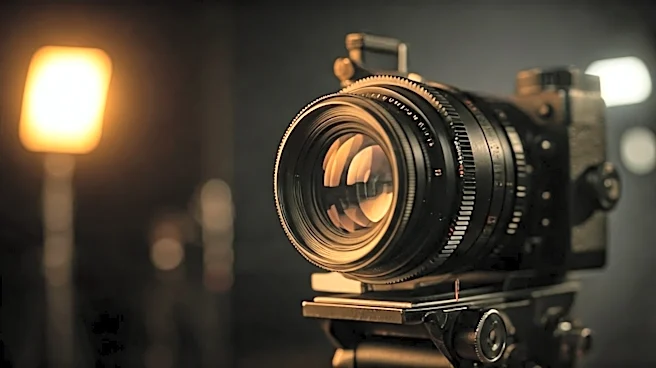
In the cinematographer’s toolkit, light is language. Every choice, from the angle of a lamp to the color of a gel, is meant to communicate something to the audience, often subconsciously. Light is generally divided into two emotional categories: warm
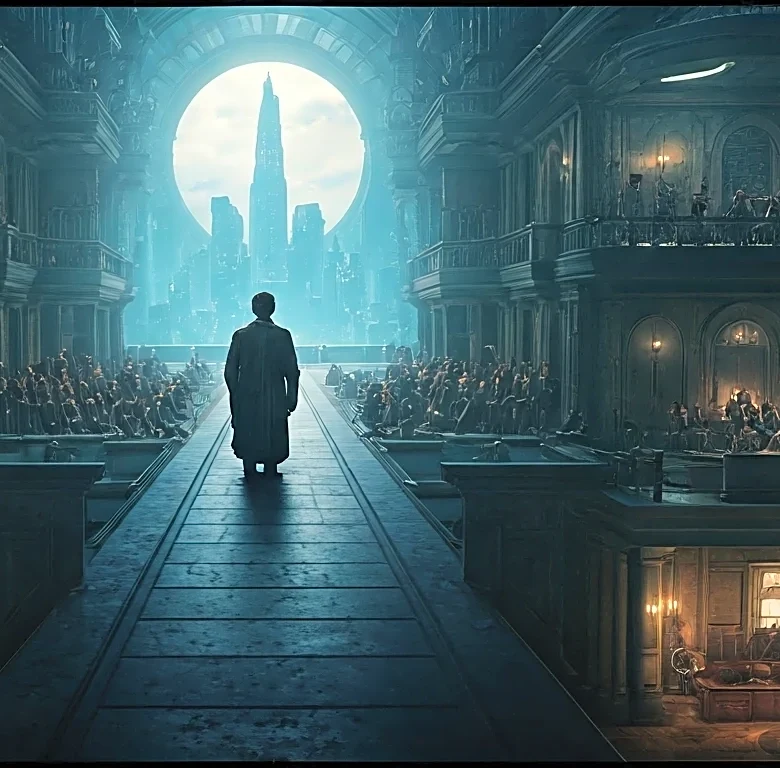
and cool. Cool light—blues, grays, and sterile whites—is often used to evoke feelings of sadness, isolation, tension, or modernity. Think of the cold, impersonal lighting of a hospital or a dystopian sci-fi city. Warm light, on the other hand, is the stuff of golden hours, sunsets, and cozy fireplaces. Its palette of yellows, oranges, and soft reds is deeply associated with positive emotions: happiness, nostalgia, safety, and community. It’s the light of a cherished memory. When directors want to signal that a place is a safe haven or that a moment is filled with love and connection, they often dial up the warmth. This foundational principle of visual storytelling is the starting point for understanding its specific application to Juneteenth.
Lighting History and Memory
Juneteenth is, at its core, a holiday of historical memory. It commemorates the moment enslaved African Americans in Galveston, Texas, finally learned of their freedom—two and a half years after the Emancipation Proclamation. Depicting this event, or its modern celebration, isn't just about staging a barbecue; it's about giving visual form to the concept of liberation itself. By bathing these scenes in warm light, filmmakers are visually coding them as acts of memory. The golden hue can make a scene feel like a beautifully preserved photograph come to life, transforming historical fact into a felt experience. This technique connects the present-day celebration back to its historical roots, suggesting a continuous, unbroken line of heritage and resilience. The light feels nostalgic because the holiday itself is an act of looking back to move forward.
Reclaiming the Narrative with Black Joy
For decades, the dominant visual grammar for Black history in Hollywood was one of suffering. Films about slavery and the Civil Rights struggle often employed a desaturated, gritty, or cold aesthetic to emphasize hardship and brutality. While these stories are vital, they risk cementing an image of Blackness as being defined solely by trauma. The careful use of warm, beautiful light in Juneteenth scenes is a powerful act of cinematic rebellion against this trope. It reframes the narrative. Instead of focusing on the pain that preceded freedom, it centers the euphoria of liberation. This is a deliberate choice to prioritize and celebrate Black joy, community, and family. In shows like *Atlanta* or *Black-ish*, the Juneteenth episodes use warmth to create a visual sanctuary. The light doesn't just illuminate the characters; it envelops them, creating a space where joy is the primary subject, not a footnote to suffering.
A Tool of Deliberate Contrast
The power of this warm light is often amplified by its contrast with other scenes. A director might use cooler, more neutral, or even harsh lighting for scenes depicting the characters' modern-day struggles, microaggressions, or systemic challenges. For example, a character’s sterile, fluorescent-lit office provides a stark visual counterpoint to the warm, communal glow of a Juneteenth cookout later that day. This makes the warmth of the celebration feel even more potent and precious—a deliberate escape and a source of renewal. In Donald Glover’s *Atlanta*, the famous "Juneteenth" episode masterfully uses this contrast. The lavish, performative Juneteenth party hosted by a white couple is lit in a way that feels slightly artificial, a bit too perfect. The warmth is there, but it feels constructed. This contrasts with the more genuine, natural warmth of the moments shared between the show’s main characters. The light isn't just warm; it's *sincere*. It separates performative allyship from authentic cultural celebration, showing that how you light a scene can reveal its true emotional core.