

The Unspoken Rule of the Festival Opener
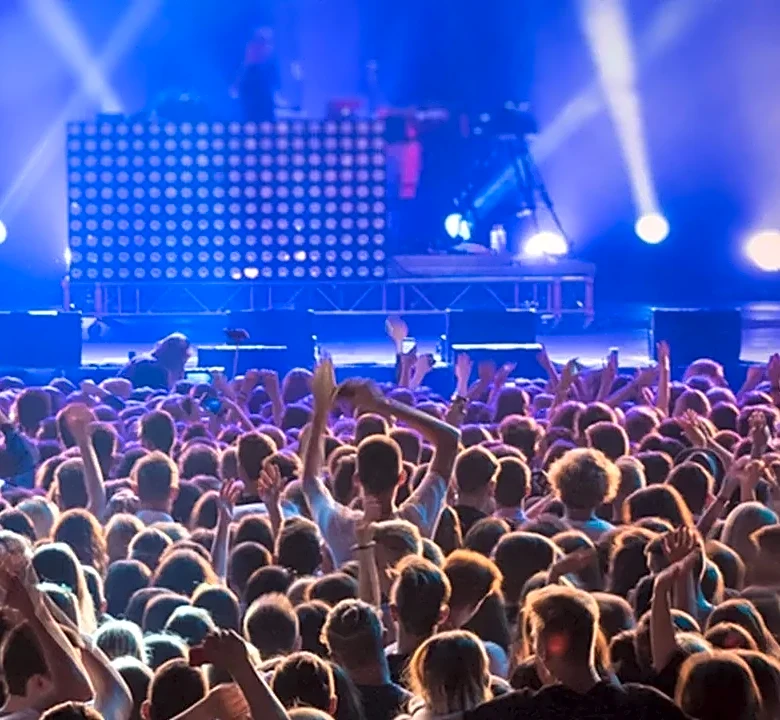
There's an unwritten rule for festival sets, and it's simple: start big. From the moment an artist hits the stage at a mega-event like the iHeartRadio Music Festival, the goal is to seize the audience's attention with overwhelming force. Performers like Dua
Lipa and Billie Eilish have kicked off past festivals with dance-inducing hits and electric sets, respectively. The logic is sound; you need to grab a massive, potentially distracted crowd and give them an immediate jolt of energy. The opening song serves as a first impression, a statement of intent that sets the tone for the entire performance. In a lineup packed with stars, you have to prove you belong from the very first beat. Anything less than a full-throttle sonic assault feels like a missed opportunity, a failure to read the room.
The Power of the Pattern Interrupt
But what if the most powerful way to command a room is to defy that very expectation? The human brain is wired to notice what’s different. When thousands of people are braced for a sonic boom, the sudden drop into a near-whisper becomes the loudest thing in the building. A ballad opener is a pattern interrupt. It forces an audience that was ready to jump to instead lean in and listen. It’s a move of supreme confidence. Instead of screaming for attention, the artist is effectively saying, “I don’t need to. I have you already.” This creates an immediate sense of intimacy and intrigue that an explosive opening, for all its energy, can't replicate. A great setlist is an emotional journey, not just a collection of hits, and starting in an unexpected valley can make the eventual peaks feel even higher.
Forging an Instant, Deeper Connection
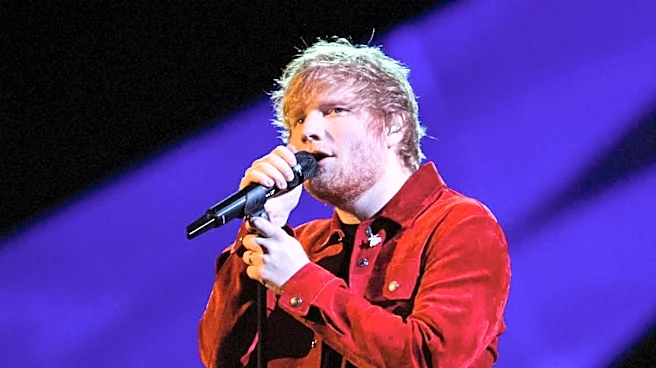
A high-octane opener is a collective experience; a ballad is a personal one. When an artist like Adele or Ed Sheeran opens with a quiet, emotionally raw song, they are not just performing for a crowd—they are singing to each individual. This vulnerability disarms the audience, cutting through the noise and spectacle of the festival environment. It establishes a storyteller’s rapport. The artist isn’t just there to entertain; they’re there to connect. It’s a moment of shared humanity before the party starts. This can be especially effective for superstars known for their bangers. When an artist famous for making you dance first asks you to feel, it re-frames the entire relationship and makes the subsequent high-energy tracks feel more earned and meaningful.
Not a Move for the Faint of Heart
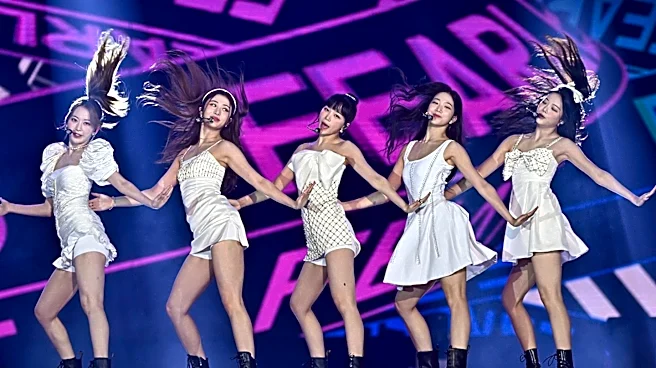
Let’s be clear: this is a high-risk, high-reward strategy. It’s not for every artist or every crowd. A new act trying to win over an unfamiliar audience might find the silence deafening for all the wrong reasons. The ballad itself has to be iconic, a song so beloved that it commands reverence on its own, like Journey's "Open Arms" or Whitney Houston's "I Will Always Love You". The artist needs unimpeachable vocal talent and a magnetic stage presence to hold a stadium-sized audience with just their voice and a minimal arrangement. It takes a veteran, someone with nothing left to prove. For an artist like Mariah Carey or one of the members of BTS—both of whom have graced the iHeartRadio stage—a ballad opener wouldn't be a sign of weakness. It would be a flex, a masterful display of control that says more about their power than any pyrotechnic-fueled banger ever could.