





Finding a Sweet Spot in the Calendar
The film festival circuit has a clear hierarchy. Cannes in May is for art-house auteurs and high-fashion premieres. Then, as summer ends, a trio of festivals—Venice, Telluride, and Toronto—unleash a wave of films that will dominate the conversation through
the Oscars. For years, the BFI London Film Festival (LFF) felt like an afterthought. But under savvy leadership, the festival leveraged its October timing. By happening after the early autumn frenzy but before the full-scale awards campaigns begin, it offers a strategic platform. Films that were well-received in Venice or Toronto can use London to solidify their buzz and build momentum. It has become a vital signpost for both the BAFTAs and the Academy Awards, positioning films for the long campaign season ahead.
Welcoming the Public, Not Just the Pros
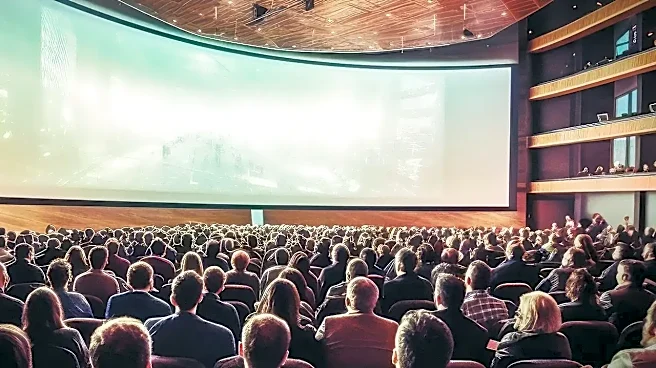
Unlike the industry-heavy atmosphere of Cannes, the LFF is, first and foremost, a public-facing festival. While it hosts numerous industry panels and networking events, its core mission is to bring films to audiences. This ethos transforms the event from a transactional marketplace into a city-wide celebration of cinema. With tickets available to the general public and screenings spread across the city and partner venues in the UK, it invites regular film lovers to be part of the discovery process. This public dimension is crucial; the audience awards, voted on by attendees, can offer an early indicator of a film's broader appeal, something that industry-only juries might miss. The festival's ability to welcome nearly 290,000 people annually demonstrates its success in balancing cultural and commercial goals.
The Best of Both Worlds
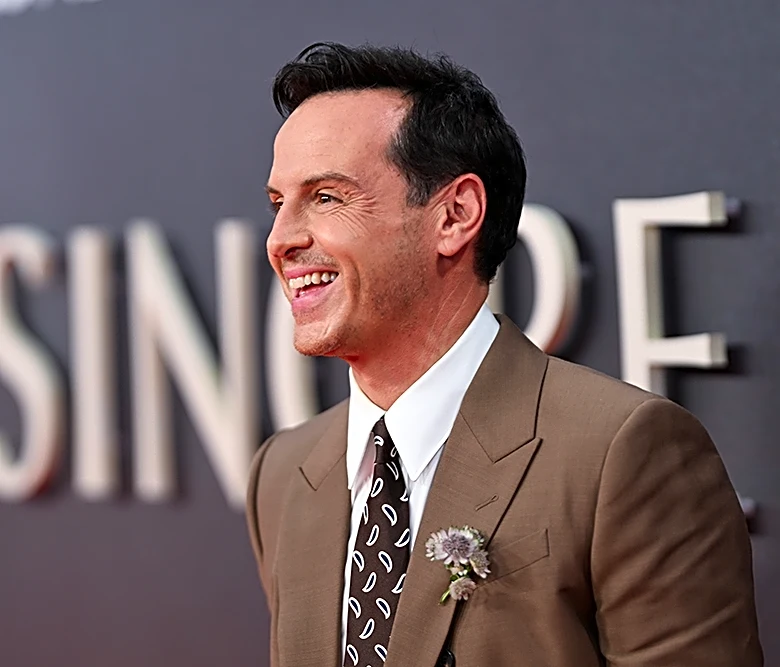
The festival's lineup is a carefully curated mix of heavyweight contenders and hidden gems. The Gala screenings at the iconic Royal Festival Hall host some of the year's most anticipated films, complete with red carpets and A-list stars. This year, for instance, films generating significant awards buzz like 'Elsinore', starring Andrew Scott, and Luca Guadagnino's 'Artificial' are sharing a program with world premieres of ambitious animations like 'Wildwood' and 'Ray Gunn'. It also brings over sensations from other festivals, such as the Cannes hit 'La Bola Negra'. This blend allows the festival to function on two levels. The galas provide the prestige, attracting media attention and Hollywood talent. Meanwhile, the curated program strands—themed sections like 'Love', 'Dare', and 'Thrill'—encourage audiences to take a chance on a film or filmmaker they've never heard of.
A Launchpad for Breakout Hits
London’s unique position has helped launch numerous films toward awards glory. High-profile films that went on to be major players, like 'The Irishman' and 'Three Billboards Outside Ebbing, Missouri', have used the festival's closing night slot to make a statement. But it's not just for established names. The festival has a long history of championing new voices through awards like the Sutherland Trophy for first features, which dates back to 1957. This dual focus creates a fertile ground for discovery. A film can arrive in London with little fanfare and leave with the buzz needed to secure distribution and an awards campaign. By serving both the industry's need for a prestigious platform and the public's desire for new stories, the LFF has become more than just a festival; it’s an indispensable connector in the global film ecosystem.