






Choosing the right coat can feel like a high-stakes decision. Two of the most timeless and versatile options, the trench coat and the car coat, often get confused. While similar, they have distinct histories and work for different needs.
The Anatomy of a Trench Coat
Born in the trenches
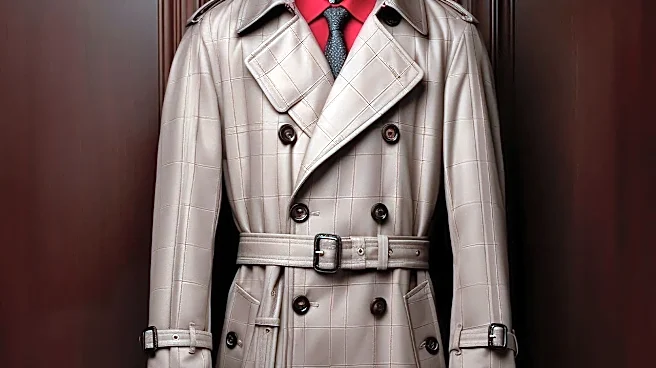
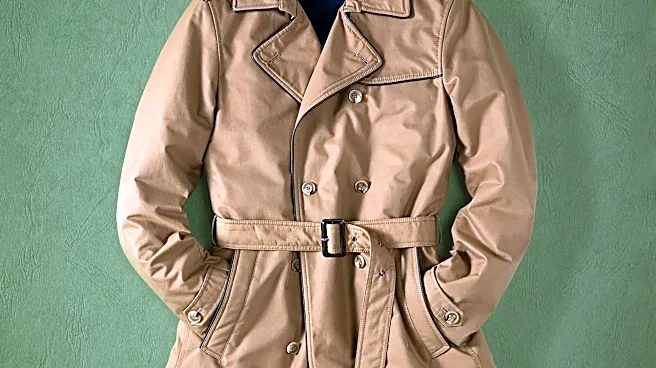
of World War I, the trench coat is a piece of military history that became a fashion icon. Its design is defined by function: a double-breasted front provides extra protection, a belt cinches the waist, and epaulets on the shoulders were originally used for displaying rank. Typically falling to the knee or longer, it’s often made from water-resistant cotton gabardine. These details give the trench coat its signature look—structured, formal, and dramatic. It’s the coat Humphrey Bogart wore, a piece that adds instant polish and a sense of classic style, making it a reliable choice over a suit or for more formal occasions.
The Anatomy of a Car Coat
The car coat has a more civilian origin story, created in the early 20th century for the first motorists. When cars were open-top, drivers needed a coat that was warm but didn't bunch up or get tangled while sitting. The result is a simpler, more streamlined garment. Car coats are almost always single-breasted, unbelted, and end at the hip or mid-thigh. This shorter length makes them incredibly practical for a modern lifestyle, whether you're commuting by car or just want an easy layer that isn't restrictive. Its clean lines make it a versatile, understated piece that leans more casual than the trench.
Head-to-Head: Length and Formality
The most significant difference is length. A trench coat’s knee-length or longer cut provides more coverage and creates an elegant, elongated silhouette, lending it a more formal feel. It’s the natural choice to wear over a suit jacket, as it provides full coverage. In contrast, the car coat’s thigh-high cut is inherently more casual and practical for everyday movement. While a longer car coat can work with a blazer, a shorter one might leave the suit jacket peeking out underneath, making the trench the safer bet for business settings.
Head_to_Head: Weather and Versatility
Trench coats were designed for foul weather, with storm flaps and water_resistant fabric to guard against wind and rain. Their length offers superior protection from the elements when you're walking or waiting for transit. Car coats, while often made from warm materials like wool, are more about convenience and easy layering. They are perfect for transitional weather and for people who are in and out of cars frequently. For pure versatility, the car coat often wins for a casual wardrobe; it pairs effortlessly with everything from jeans and a sweater to business_casual trousers. The trench, while also versatile, always brings a touch more drama and intention to an outfit.
The Verdict: Which One Should You Buy?
The right choice depends entirely on your lifestyle. If you often wear suits, walk or use public transit, and want a timeless statement piece with a formal edge, the trench coat is your answer. It’s a classic for a reason, offering unmatched elegance and reliable weather protection. If your daily life is more casual, you prioritize comfort and mobility, and you drive frequently, the car coat is the more practical option. Its shorter, cleaner silhouette makes it an easy, throw_on_and_go layer that works with almost any casual or smart_casual outfit without feeling overdressed. If it’s your very first proper coat, a simple car coat might see more frequent use.