


The Spark: Concept and Sketch
Every collection begins not with fabric, but with an idea. For a London designer, inspiration can come from anywhere: the city's architecture, a historical archive, or even a feeling. This concept is translated into a mood board—a collage of images, colors,
and textures that sets the collection's tone. From there, the designer begins to sketch, creating rough illustrations that capture the essence of a silhouette or an exaggerated line. These initial drawings are less about perfect illustration and more about translating an abstract vision into a tangible form, establishing the creative direction before the technical work begins.
The Blueprint: Pattern Making and Draping
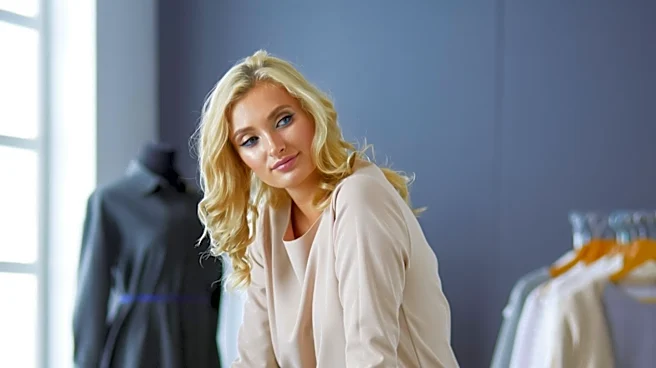
The pattern maker is the architect of fashion, responsible for turning a flat sketch into a wearable blueprint. This critical role bridges the gap between the designer's creative vision and the physical garment. The process often starts with draping fabric on a mannequin to see how it behaves in three dimensions, a crucial step in testing the design's proportions and flow. Following the draping, the pattern maker drafts precise paper templates for every single piece of the garment. For the complex, boundary-pushing designs often seen in London, this stage requires immense technical skill to ensure every seam, dart, and curve works in harmony to create a flawless fit.
The Mock-Up: Creating the Toile
Before cutting into eye-wateringly expensive silks or wools, the team creates a test version of the garment called a toile. Pronounced 'twahl,' this prototype is typically sewn from inexpensive muslin or calico. The toile is the first time the design is seen as a complete, three-dimensional object. It allows the designer and pattern maker to assess the fit, silhouette, and construction, making necessary adjustments by drawing directly onto the fabric. This crucial step saves time and costly materials, ensuring the final garment’s structure is perfected before the final assembly begins.
The Real Deal: Cutting and Sewing
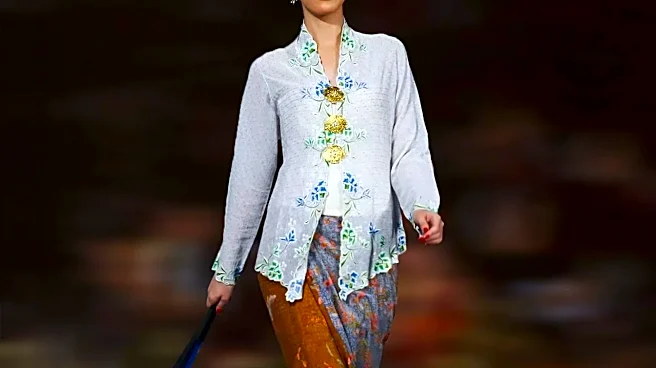
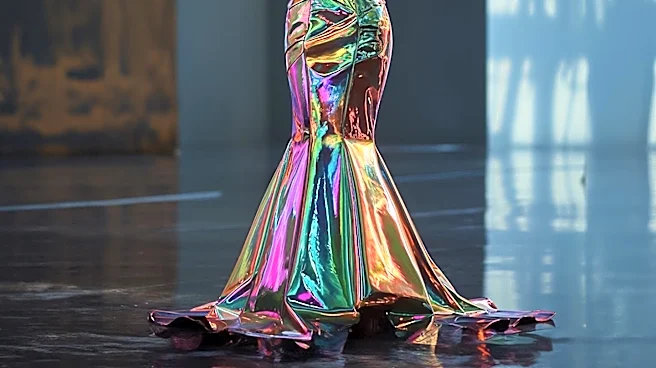
Once the toile has been perfected and the pattern adjusted, the final, chosen fabric is meticulously cut. This stage requires extreme precision, as even a minor error can compromise the entire garment. Then, the pieces move to the sewing atelier, where highly skilled artisans begin the painstaking process of construction. In high fashion, this goes far beyond simple machine sewing. It often involves extensive handwork, from hand-stitched buttonholes to the intricate application of beading or embroidery. This level of craftsmanship, often hidden inside the garment, is what gives a runway piece its distinctive quality and durability.
The Final Polish: Fittings and Runway Prep
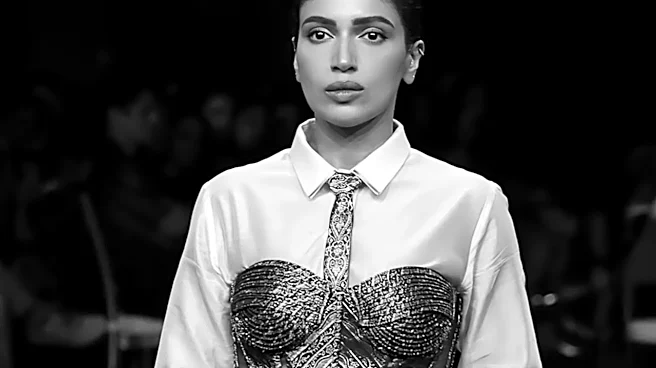
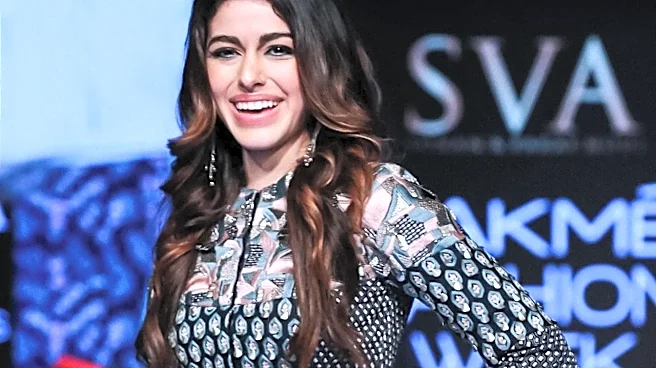
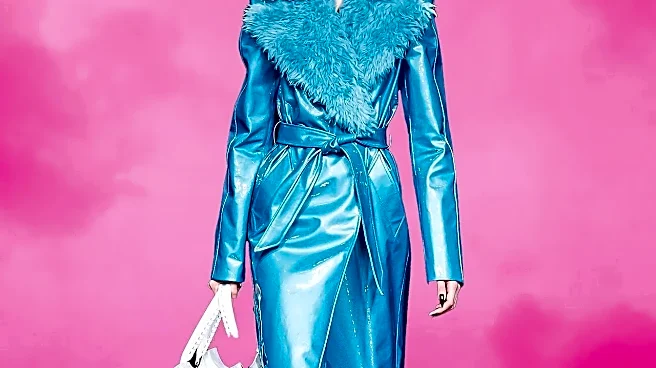
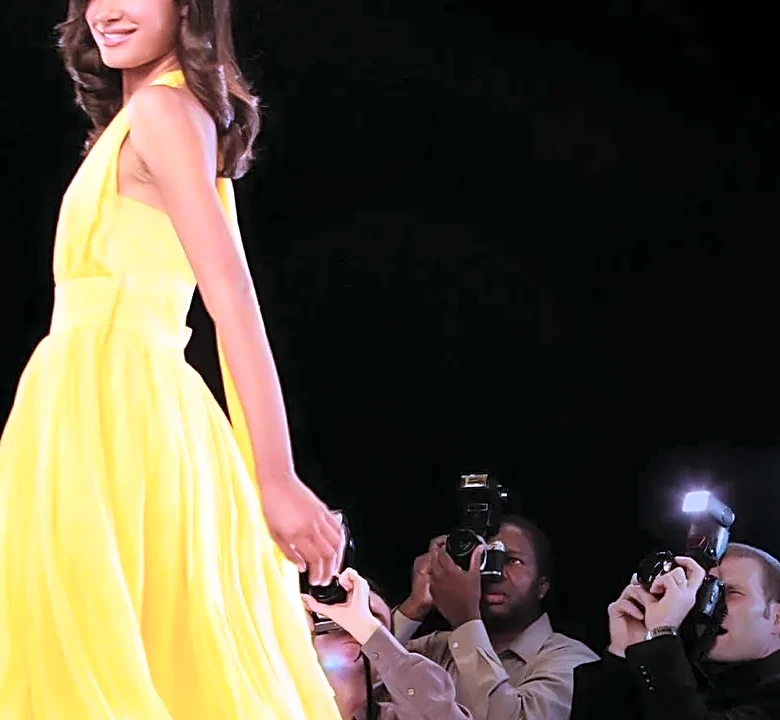
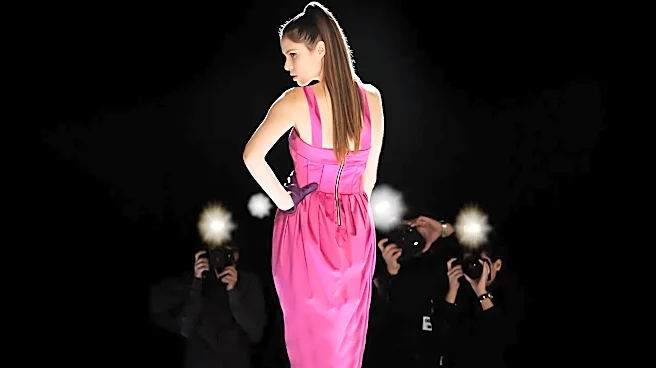
In the frantic days leading up to the show, the final garments are fitted on the models who will wear them on the runway. These fittings are essential for making last-minute tailoring adjustments to ensure each look moves perfectly on the body. A team of stylists, hair stylists, and makeup artists then works to complete the vision. Backstage is a scene of organized chaos, with dressers on standby for quick changes and the designer giving every look a final inspection. When the model finally steps onto the runway, their walk is the culmination of months of collaboration, technical problem-solving, and artistry.