






The Age of 'Homework' TV
For the last decade and a half, television has been dominated by one mantra: bigger, more complex, more serialized. From the intricate power plays of “Game of Thrones” to the dark moral descent of “Breaking Bad,” the gold standard for prestige TV has been the sprawling,
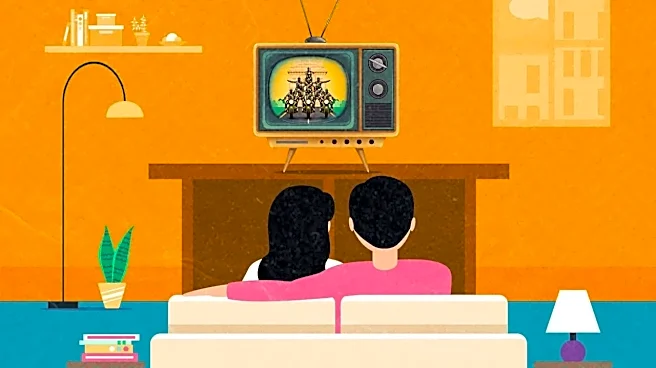
novelistic narrative. Streaming services threw gasoline on this fire, designing entire platforms around the “binge model” that encourages viewers to consume 10-hour seasons like a single movie. The result was an explosion of creativity, but it also created a new kind of viewer burden. Keeping up with the latest must-see show started to feel less like entertainment and more like homework, complete with required reading and the social pressure of avoiding spoilers.
Streaming Fatigue Is Officially Here
The golden age of streaming has led to a paradox of choice. With countless platforms all demanding a subscription and attention, audiences are feeling overwhelmed. Tracking the intricate plot of a show you started three months ago on a service you barely use is a tall order. This fragmentation is contributing to a widespread sense of “streaming fatigue.” Viewers are growing tired of investing in convoluted stories that may or may not pay off, or worse, get canceled on a cliffhanger. There’s a growing appetite for entertainment that doesn’t demand so much from its audience—a desire for a reset button not just at the end of an episode, but on our collective viewing habits.
The Simple Genius of the Solved Case
Enter the case-of-the-week procedural. For decades, it was the engine of broadcast television, from “Columbo” to “CSI.” The formula is simple and deeply satisfying: a problem is introduced, investigated, and solved, all within a single hour. There might be light character arcs that develop over a season, but the core of the show is episodic. You can drop in at any time and know exactly what you’re getting. This low-commitment, high-satisfaction structure is the perfect antidote to the demands of serialized television. It’s the comfort food of the TV world—reliable, easy to digest, and consistently enjoyable without requiring weeks of prior commitment.
Why Now? A Perfect Storm of Business and Burnout
The push for a procedural revival isn't just about audience taste; it's also smart business. For broadcast networks trying to compete with billion-dollar streaming giants, expensive, serialized gambles are riskier than ever. Procedurals, on the other hand, are a proven and efficient model. They are generally less expensive to produce, easier to sell in lucrative syndication and international markets, and their formulaic nature makes for a more predictable production pipeline. Fall 2026 network schedules are reflecting this shift. NBC, for instance, is leaning heavily on its unshakable “Law & Order” franchise and the successful medical procedural “Denis Medical,” while also renewing other episodic content. Meanwhile, other networks are introducing new legal and law enforcement dramas like “Cupertino” and “Line of Fire,” signaling a clear industry trend toward the safety and reliability of the case-of-the-week format. It’s a strategy that acknowledges both economic reality and a palpable shift in viewer appetite.