

The Unmistakable Y2K Uniform
First, let’s define the look. We’re talking about the uniform that dominated music videos, red carpets, and high school hallways from roughly 1999 to 2005. It was a study in proportions: pants, jeans, or skirts slung impossibly low on the hips, often
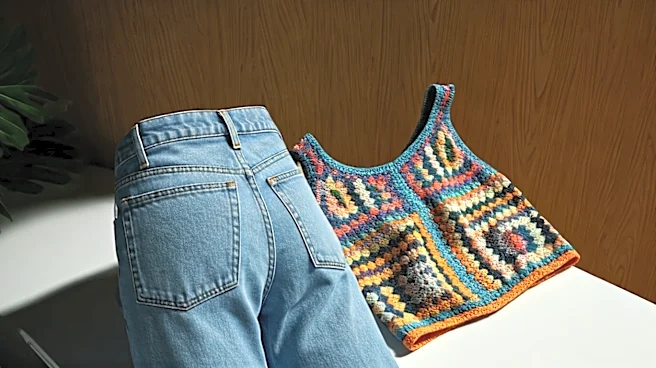
with a waistband that barely cleared the hip bones. This was paired with its necessary counterpart—the tiny top. Whether it was a shrunken baby tee, a handkerchief top, or a tube top, the goal was to create a long torso with a sliver (or more) of exposed midriff. This silhouette was championed by the reigning pop princesses of the era. Britney Spears in her "I'm a Slave 4 U" performance, Christina Aguilera during her "Dirrty" phase, and the members of Destiny's Child in their coordinated, midriff-baring ensembles all made the look iconic. It was the visual language of a new, hyper-commercialized, and often provocatively packaged pop stardom. The look screamed confidence, youth, and a certain kind of tech-era optimism, all while being meticulously constructed for the camera.
Rewind to the 1970s
Now, let’s get in a time machine and travel back about 30 years. The 1970s were a period of major social and sartorial shifts. As the counter-culture of the late '60s evolved, a new silhouette emerged that challenged the more conservative styles of previous decades. Enter the "hip-hugger" jeans and bell-bottoms. Worn by both men and women, these pants sat low on the hips, flaring out dramatically at the ankle. Just like in the Y2K era, this low-slung bottom was often paired with a top that celebrated the torso. Cropped sweaters, tied-up peasant blouses, and halter tops were staples. Icons like Cher, with her famously toned abs on full display in custom Bob Mackie creations, and Farrah Fawcett, with her effortless California cool, popularized this body-conscious look. It was a style rooted in rebellion, a rejection of girdles and stiff tailoring in favor of something that felt free, bohemian, and a little bit rock 'n' roll. It was the look of the disco floor and the anti-war protest alike.
A Tale of Two Eras
So, why did the late '90s and early 2000s look back to the '70s for inspiration? Fashion rarely revives a look without a corresponding cultural mood. Both decades, despite their differences, shared a specific kind of youthful energy. The 1970s followed the immense social upheaval of the '60s, creating a generation focused on personal freedom and expression. Similarly, the Y2K era followed the end of the Cold War, ushering in a period of relative peace and economic prosperity, along with the explosive growth of the internet. Both were times of perceived new beginnings. Music was the engine of fashion in both periods. The rock gods and disco queens of the '70s used their style to build their personas, just as the pop stars of the TRL generation used their highly stylized music videos to sell a complete aesthetic package. In both cases, a confident, body-baring look telegraphed power and modernity. It was a visual shorthand for being young, desirable, and in control.
Evolution, Not Just Repetition
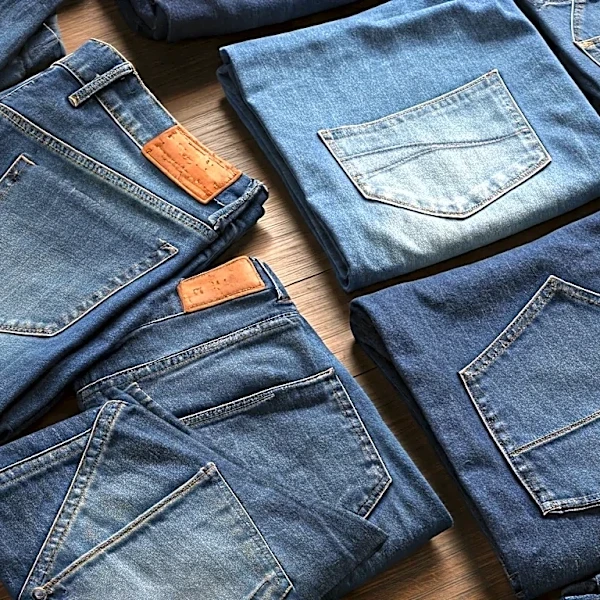
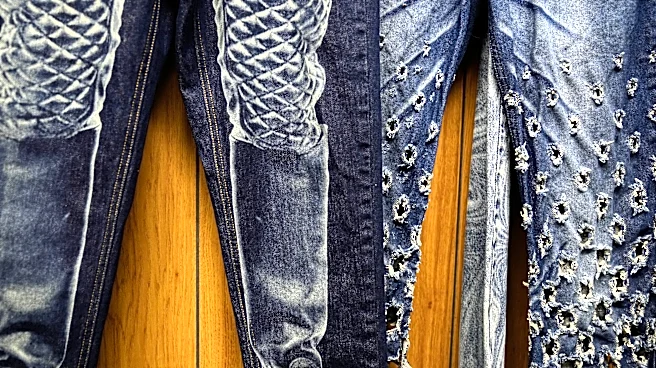
Of course, Y2K didn’t just cut and paste the 1970s. It remixed the silhouette for a new millennium. The fabrics were different; the organic, lived-in denim of the '70s was often replaced with the conspicuously new, sometimes sandblasted or whiskered, denim of the 2000s. And then there was the bling. Rhinestones, elaborate embroidery, and designer logos were staples of the Y2K version, reflecting a culture of overt consumerism that was less central to the '70s hippie ideal. The fit also evolved. While '70s flares were often generous and flowing, Y2K low-rise jeans frequently featured a bootcut or a slighter flare. The context was also different. The '70s look had roots in an anti-establishment counter-culture, while the Y2K version was pure pop-culture product, polished, packaged, and globally marketed from the moment it appeared on screen.