





1. The Quality of the Leather
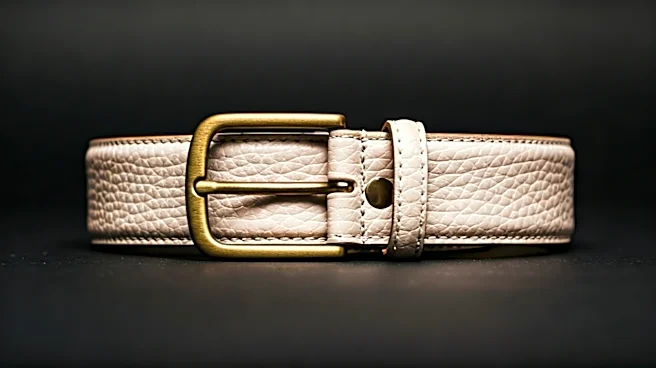
The first and most crucial detail is the leather itself. Discerning eyes look for full-grain leather, the highest grade available. Unlike top-grain, which has been sanded to remove imperfections, full-grain leather retains the natural, unique texture
of the hide. This not only makes the belt stronger and more durable but also allows it to develop a beautiful, rich patina over years of wear, telling a story unique to its owner. A belt made from a single, solid strip of full-grain leather is a hallmark of quality.
2. The Edge Finishing
A cheap belt often gives itself away at the edges. Look for a smooth, glossy, and slightly rounded edge—a sign of burnishing. This traditional technique involves heating and rubbing the edge with wax or a special compound to seal the leather fibers. This process is not just for aesthetics; it makes the edge more durable, resistant to moisture, and prevents fraying. A raw, fuzzy, or painted edge that looks like it could peel suggests a shortcut was taken.
3. The Stitching (or Lack Thereof)
For many high-quality belts, especially those cut from a single thick piece of hide, the ideal is to have no stitching at all. However, if stitching is present, particularly on a lined belt, it should be flawless. An editor’s eye looks for tight, even, and consistent stitches. Hand-stitching, often seen in a saddle stitch, is a sign of true luxury, as each stitch is made with two needles for superior strength. In contrast, loose threads or uneven machine stitching can be a sign of mass production and lower quality.
4. The Buckle's Material and Weight
The buckle is the belt's handshake. A quality buckle has a satisfying heft and is made from solid metal, not plated zinc alloy which can chip and tarnish. Solid brass is a traditional favorite, known for developing a distinguished patina over time, while stainless steel offers a clean, modern look that resists corrosion. A discerning dresser will feel the weight and inspect the finish—it should be smooth, substantial, and flawlessly polished or brushed.
5. The Keeper Loop’s Construction
That small loop that holds the belt tip in place is called the keeper, and it's a detail worth examining. On a superior belt, the keeper is made from the same high-quality leather as the belt strap itself. Its construction should be just as meticulous, with neatly finished edges and secure stitching. A flimsy, poorly attached, or—even worse—a plastic keeper is a dead giveaway of a belt that was built to meet a price point, not a standard of quality.
6. The Color's Depth and Consistency
Achieving the perfect 'Wimbledon cream'—a shade that’s not quite white, not quite beige—requires expert tanning and dyeing. The color should be deep and consistent throughout the strap. With high-quality vegetable-tanned leather, the color is absorbed into the hide rather than sitting on top as a painted layer. This ensures that small scuffs and scratches reveal more of the same color underneath, rather than a different-colored core, which is a common issue with cheaper belts.
7. The Suppleness and 'Hand'
While a quality leather belt should be sturdy, it shouldn't feel like a rigid plank. It should have a certain suppleness, a quality known in the industry as its "hand." Full-grain leather, while initially firm, is meant to soften and mold to the wearer's body over time. It should bend smoothly without creasing unnaturally or showing signs of cracking. A belt that feels plasticky or overly stiff is likely made from lower-grade or bonded leather, which will not age as gracefully.
8. The Maker's Mark
Luxury is often quiet. While some brands rely on prominent logos, many of the most exacting dressers prefer a subtle maker's mark. This is often a small, discreet stamp on the inside of the belt, indicating the artisan or brand. A clean, crisp, and well-placed stamp signifies confidence in the product. It’s an understated way of claiming authorship and guaranteeing the quality of the materials and craftsmanship behind the piece.
9. The Precision of the Sizing Holes
Even the holes for the buckle prong are an indicator of quality. On a well-made belt, the sizing holes are cleanly punched, evenly spaced, and have a smooth interior. Some high-end makers will even slightly bevel the edges of the holes. This attention to detail ensures the prong moves smoothly and reduces wear on the hole over time. Jagged, rough, or unevenly spaced holes suggest a lack of care in the final stages of production.