






More Than Just a Red Carpet
First, let's set the stage. The NFL Draft red carpet isn't just a pre-show parade; it's the opening statement in a player's professional career. For many of these young men, it's the first time the world is seeing them not as a college athlete in a uniform,
but as a brand. The suit, often custom-made and costing thousands of dollars, is a key part of that transformation. It’s a declaration of personality, ambition, and professionalism. A single wrinkle, a weird crease, or a puckered seam can ruin the entire effect, especially under the glare of hundreds of cameras. This is why professional stylists who dress these athletes for the big night don't leave anything to chance. They treat garment prep with the seriousness of a game-day strategy.
Forget Your Travel Steamer
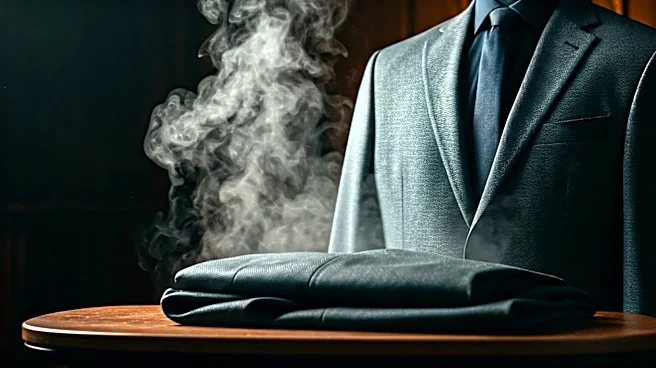
The first 'secret' is that the tool matters—immensely. The flimsy, sputtering travel steamer you use on a wrinkled vacation shirt is not in the same league as what the pros use. Stylists rely on professional-grade, standing valet steamers. These are the workhorses you see in the back of high-end boutiques and tailor shops. The key differences are power and consistency. A pro steamer generates a continuous, high-pressure flow of hot steam that can penetrate thick, heavy fabrics like the wool used in most suits. Unlike an iron, which flattens fibers and can leave a 'shine' on dark fabrics, steam gently relaxes them from the inside out, allowing wrinkles to fall away naturally without any risk of scorching the material. The built-in hanger and clips on a valet steamer also make it possible to work on the garment vertically, which is crucial for the professional technique.
The Inside-Out Technique
Here's the core method that separates the amateurs from the pros: they steam from the inside. Instead of blasting the outside of the suit jacket or trousers, a stylist will turn the garment inside-out. They then direct the steam nozzle along the lining, using slow, deliberate, top-to-bottom strokes. Why? This approach is both safer and more effective. By heating the garment from the inside, the steam gently permeates the fabric, causing the fibers to relax and expand. The wrinkles on the exterior simply melt away without the fabric's outer surface ever being exposed to direct moisture or excessive heat. This protects delicate materials like velvet, silk blends, or custom embroidery, which might be damaged by direct steaming. It's a subtle but profound shift in approach that yields a much cleaner, more natural finish.
Mastering the Details
The job isn't done with one pass. Pros work methodically, section by section. For a suit jacket, they’ll focus on the back panel first, then the sleeves (often using a padded attachment to avoid creating a new crease), and finally the lapels. For lapels, they use very light, quick passes from a slight distance to give them shape without flattening them. Trousers are hung by the waistband and steamed down each leg, always moving vertically with the grain of the fabric. The key is patience. They never rush and never hold the steamer in one spot for too long, which could oversaturate the fabric. The goal is to apply just enough steam to do the job and then let gravity and a little bit of time do the rest.
The Final Rest and Polish
Perhaps the most overlooked step is what happens after the steaming is done. A freshly steamed garment is slightly damp and warm. If the player puts it on immediately, new wrinkles will form almost instantly as they move. Instead, stylists let the suit hang in an open, well-ventilated space for at least 15-20 minutes. This 'resting' period allows the fibers to cool, dry, and lock into their new, wrinkle-free state. During this time, a stylist might do a final inspection, using a soft-bristled garment brush to whisk away any lint and give the fabric's nap a uniform direction. Only after the suit is completely cool and dry is it ready for the player to wear. It’s this final, patient step that ensures the look holds up from the hotel room all the way through the final camera flash of the night.