


Prioritize Comfort From the Ground Up
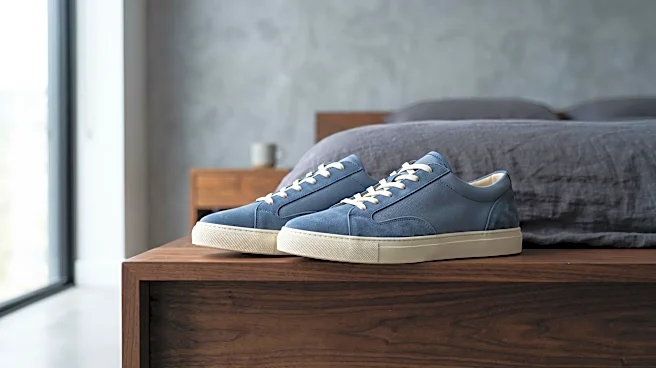
The single most important decision for an all-day cosplay is your footwear. The concrete floors of the Javits Center are famously unforgiving. If your character wears heels, find a pair with a thick, supportive base or consider platform boots, which distribute
weight more evenly than stilettos. Most importantly, break in your shoes for weeks beforehand. If accuracy demands uncomfortable shoes, pack a pair of flats or sneakers in your bag. You can always swap into the 'hero' shoes for photos and then switch back to something comfortable for navigating the massive show floor. Gel inserts are a non-negotiable accessory for any con-goer.
Choose Your Materials Wisely
Fabric choice can make or break your comfort over a 10-hour day. Heavy materials like vinyl and pleather don't breathe, trapping heat and sweat. Instead, look for costumes that incorporate natural fibers like cotton or linen, or modern stretch fabrics like spandex blends, which offer flexibility and airflow. If your heart is set on an armored character, consider lightweight foam alternatives instead of heavy plastics or 3D-printed parts. Also, consider the sensory experience. Will a tight wig give you a headache after three hours? Is your foam armor going to chafe your neck? Think about how the materials will feel against your skin after hours of movement.
The Three-Point Mobility Test
Before you commit to a design, perform a simple mobility check. Can you do three things in your costume? First, can you sit down comfortably? You'll be waiting for panels, resting in hallways, and trying to eat, so being unable to sit is a major problem. Second, can you bend over to pick something up? Dropping your phone or badge in a crowded hall is inevitable. Third, and most crucial for NYCC, can you easily navigate a dense crowd? Oversized props, massive wings, or trailing capes can become a nightmare on a packed show floor. According to NYCC's own rules, costumes generally shouldn't exceed 8 feet in any dimension and you must be able to move with limited assistance.
Consider the Bathroom Problem
It’s the question every veteran cosplayer learns to ask: "How do I go to the bathroom in this?" A complex, one-piece costume that requires a team of friends to remove is a logistical nightmare. Look for designs that can be separated into top and bottom halves. If you're wearing a jumpsuit, try to incorporate hidden zippers or Velcro seams that allow for easy access. This is not the time to prioritize screen accuracy over basic human needs. Plan your cosplay with bathroom breaks in mind, because needing assistance every time can seriously disrupt your day.
The Prop and Baggage Dilemma
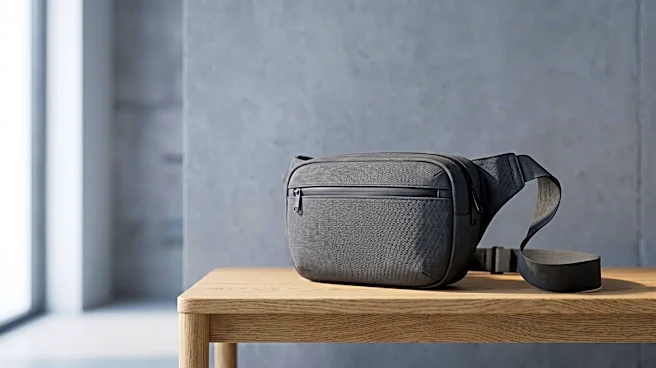
A giant prop might look amazing in photos, but carrying it for hours is exhausting. Before building or buying a prop, check NYCC's official prop rules, which are updated annually and strictly enforced. Many venues prohibit functional weapons, sharp metal objects, and oversized items. Beyond the rules, ask yourself if you want the responsibility of managing a large or heavy accessory all day. Furthermore, think about your personal items. Where will you keep your wallet, phone, and water bottle? A costume with built-in pockets or a character-appropriate bag is a game-changer. If not, you'll be stuck carrying a regular backpack that might ruin the illusion of your cosplay.
Test Run Everything Before the Con
Never let the first time you wear your full cosplay for an extended period be on day one of the convention. A week or two before the event, get into full costume—wig, makeup, shoes, and props. Wear it around your house for at least four or five hours. Walk around, sit on different chairs, and practice posing. This dress rehearsal will reveal all the potential problems: the strap that digs into your shoulder, the shoe that causes a blister, or the realization that your helmet completely eliminates your peripheral vision. A test run gives you the chance to make crucial adjustments before it's too late.