





The High-Fashion Mirage
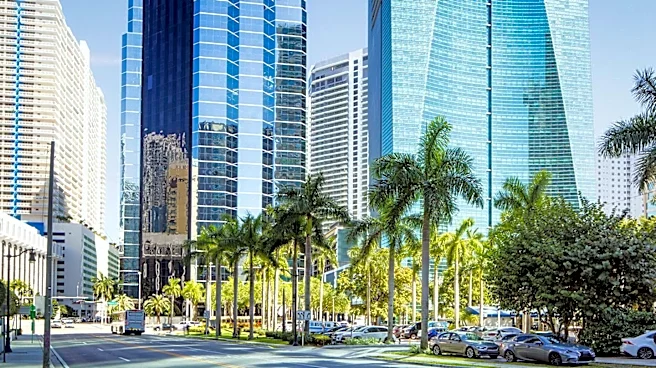
It’s easy to see why the stereotype of ultra-luxury persists. Miami hosts world-renowned events like Miami Fashion Week and Swim Week, and the Design District boasts flagship stores for nearly every major European fashion house. Neighborhoods like Bal
Harbour and Brickell City Centre cater to a global elite, offering a shopping experience that rivals any international capital. This has cemented Miami’s reputation as a high-fashion destination where looking expensive is part of the city's brand. But this image, while not entirely false, is a highly curated and incomplete snapshot. It reflects the spending habits of tourists and a tiny fraction of the population, not the everyday reality for the millions who call Miami home.
A Wardrobe for the Climate
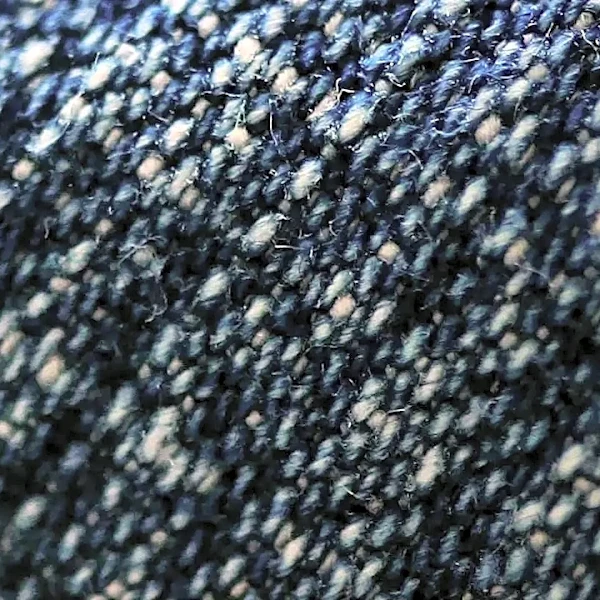
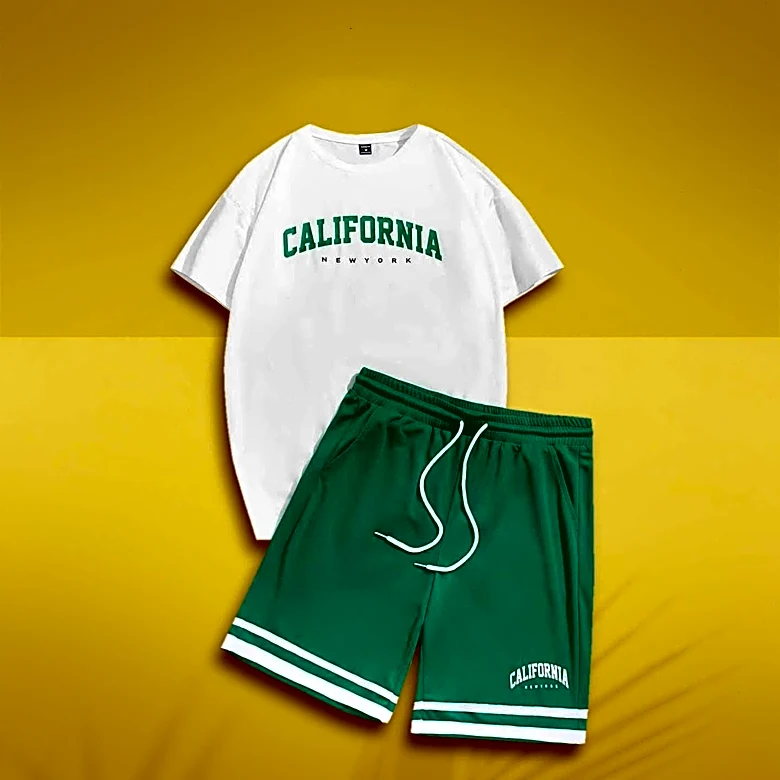
The first dose of reality is the weather. Miami's tropical climate, with its year-round heat and humidity, dictates a very specific kind of wardrobe. Heavy, structured, and precious investment pieces are impractical. Life demands lightweight, breathable, and comfortable fabrics like cotton and linen. This isn't just a style choice; it's a survival tactic. The constant heat means clothes are washed more frequently, leading to faster wear and tear. A wardrobe needs to be easily replenishable. Consequently, the "beach-to-club" lifestyle favors versatile and often less expensive items that can be mixed, matched, and replaced without a second thought. For most residents, spending a fortune on a single outfit that might not survive a humid summer is simply not practical.
The Economic Disconnect
The most significant factor the high-fashion narrative ignores is Miami's true economic landscape. Miami is one of the most expensive cities in the United States, with a cost of living that has recently surpassed New York City's. Rents are over 50% higher than the national average, while the median household income in Miami-Dade County lags behind the state average. For a family of four, the estimated annual income needed to live comfortably is over $100,000, yet the median household income is significantly lower. For the vast majority of Miamians, particularly the vibrant Latin American and Caribbean communities that form the city's cultural backbone, budget-friendly fashion isn't a trend—it's the only option. The real style engine of Miami is found in the creativity born from necessity.
The Culture of Creative Expression
Miami's soul is its diversity and expressive energy. It’s a city of celebration, where going out is a way of life. This social vibrancy demands a varied and extensive wardrobe. People need outfits for the beach, the brunch, the art gallery, and the nightclub, often in the same day. Affordable fashion retailers and thriving thrift store cultures empower this expression, allowing residents to experiment with the bold colors, statement prints, and daring silhouettes the city is known for without breaking the bank. Street style in neighborhoods like Wynwood and Little Havana is a testament to this, showcasing a dynamic fusion of high-low mixing, vintage finds, and pieces that reflect a multicultural heritage. This is where the true, living fashion of Miami is happening—far from the hushed halls of designer boutiques.