



The Decade of Gloss and Glam
To understand the appeal of a faded, grease-stained work jacket, you first have to remember the 1980s. This was the era of unapologetic excess. In fashion, that translated to big shoulders, bold logos, and synthetic fabrics. Think Wall Street power suits,
neon windbreakers, and high-gloss leather. Style was aspirational, polished, and often overtly branded. It was about communicating success and status. Whether it was a Polo shirt with an oversized pony or a silk blouse with linebacker-sized shoulder pads, the message was clear: look sharp, look new, look expensive. The clothes were a costume for a decade defined by ambition and surface-level sheen, a far cry from the rugged utility that would soon take its place.
A Grungy Rejection of Polish
By the time the 1990s rolled around, a cultural fatigue had set in. A new generation was tired of the manufactured perfection of the 80s. This sentiment found its loudest voice in the Pacific Northwest, with the explosion of grunge music. Bands like Nirvana and Pearl Jam offered a sound that was raw and unfiltered, and their style followed suit. Kurt Cobain’s thrift-store cardigans, flannel shirts, and ripped jeans weren't a fashion statement; they were an anti-fashion statement. It was a uniform of authenticity that rejected corporate gloss. This cultural shift created an opening for a new kind of style icon: the unpretentious, functional garment. People were looking for clothes that felt real, that had a story, and that didn't scream 'look at me.'
From the Job Site to the Street
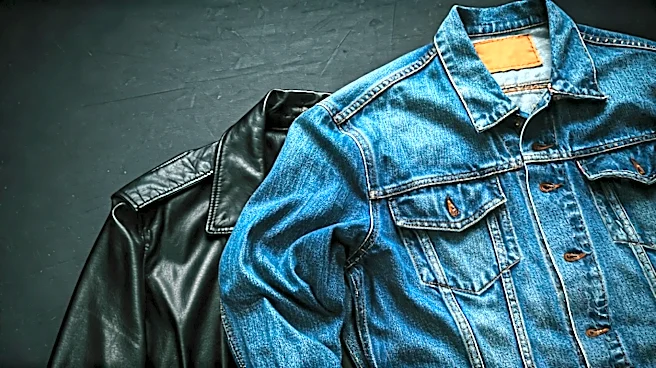
This is where American workwear stepped in. Brands like Carhartt, Dickies, and Levi's had been outfitting farmers, mechanics, and construction workers for nearly a century. Their products were designed for one purpose: to endure. Made from heavy-duty duck canvas, tough twill, and rugged denim, these clothes were the antithesis of 80s disposability. For the youth embracing grunge and skate culture, a Carhartt Detroit Jacket or a pair of Dickies 874 pants was the perfect armor. They were affordable, indestructible, and carried a built-in sense of unpretentious American grit. Wearing them was a quiet rebellion against the pristine, logo-heavy aesthetic that had dominated for so long. It was about valuing substance over style—which, ironically, became a style in itself.
The International Stamp of Approval
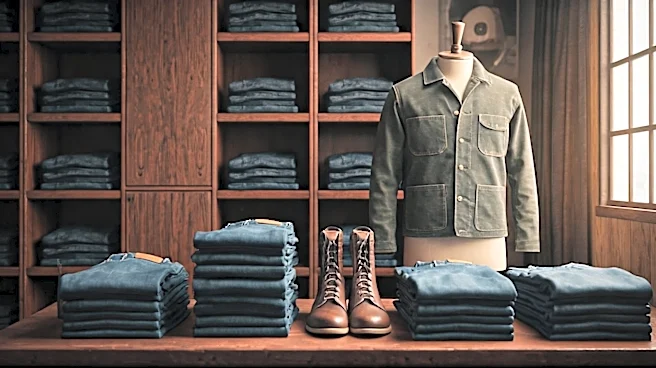
While workwear was gaining traction in American subcultures, its status as a coveted fashion item was cemented overseas, particularly in Japan. Japanese style obsessives developed a deep fascination with American heritage, a phenomenon known as 'Ametora' (American traditional). They became forensic archivists of U.S. manufacturing, hunting for rare, 'Made in USA' Levi's jeans, pre-1980s Red Wing boots, and specific-era Carhartt jackets. These collectors fetishized the authentic details—the specific denim weave, the type of stitching, the patina of age. Their demand created a global vintage market, driving up prices and signaling to the rest of the world that these weren't just old clothes; they were historical artifacts. This international hype filtered back to the U.S., giving vintage workwear a new layer of cool.
Workwear as a Modern Classic
By the late 90s and early 2000s, the trend had gone fully mainstream. High-end boutiques started stocking vintage workwear alongside designer labels. Brands took notice, with Carhartt launching its dedicated European fashion line, Work in Progress (WIP), in 1994 to cater to this new audience. Today, the movement has come full circle. What began as a counter-cultural reaction is now a permanent fixture in the modern wardrobe. From rappers to runway models to everyday people, American workwear is no longer just a trend. It has become a category of its own—a symbol of durability, timeless design, and the enduring appeal of authenticity in a world of fleeting fashion.