





Beyond the Business Card Frenzy
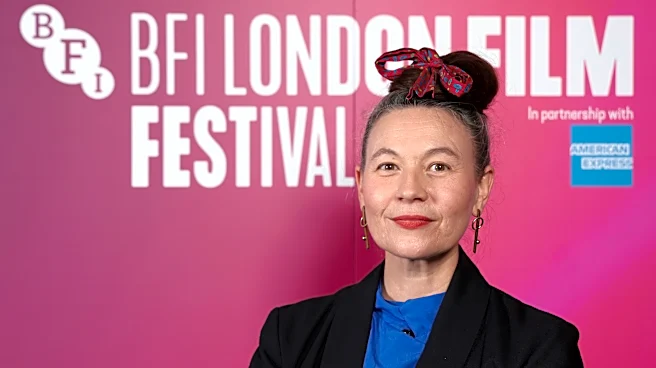
Imagine the scene: a packed reception at the BFI London Film Festival. Dozens of hopeful writers, directors, and deal-makers are circling, armed with elevator pitches and a desperate energy. The noise is a mix of clinking glasses and overt self-promotion.
In this environment, the default networking mode is 'broadcast'—everyone is talking, hoping their idea will be the one that cuts through the chaos. This is the classic image of industry networking, and it’s largely a myth. While these high-energy mixers and speed networking sessions are part of the festival circuit, the most effective players operate on a different frequency. They understand that in a room where everyone is trying to be heard, the real power lies in listening.
The Quiet Technique: Strategic Curiosity
So what is this secret method? It’s deceptively simple: strategic curiosity. Instead of launching into their own slate of projects, savvy producers approach conversations by asking insightful questions about the other person's work. They don't just ask 'What are you working on?' They dig deeper. They might ask a screenwriter, 'What's the central question your script is trying to answer?' or a director, 'What was the biggest creative challenge you solved on your last project?' This technique shifts the dynamic from a transaction to a consultation. It repositionsthe producer not as a salesperson, but as a thoughtful, engaged peer. The goal isn't to pitch; it's to understand. This method shows genuine interest, which is a rare and valuable commodity in an industry often driven by transactional relationships. It's about making people feel seen and appreciated for their own work, rather than being viewed as a stepping stone.
Why It Works in a High-Stakes World
In the film industry, a project can take years to develop and produce. It’s a marathon, not a sprint, and it relies on deep collaboration and trust. A flashy pitch might get you a meeting, but it won’t build the foundation needed for a multi-year partnership. By leading with curiosity, a producer accomplishes several things at once. First, they gather crucial intelligence. They learn who the rising talents are, what stories are resonating, and where potential collaborations might exist. Second, they build rapport. People remember how you made them feel far more than they remember your pitch. Being the person who listened intently and asked smart questions makes a lasting impression. Third, and most importantly, it demonstrates their own competence. It shows they are a collaborator who values other people's creative processes, a key trait for anyone who has to assemble and lead a large team.
From Film Festivals to Your Field
This technique isn't just for film moguls. It can be adapted for any professional networking situation. The core principle is universal: make the other person the focus. Before your next conference or work event, resist the urge to rehearse your own pitch. Instead, do your homework on who will be there and prepare a few thoughtful questions. When you meet someone, focus on their work, their challenges, and their goals. Ask open-ended questions that invite a story, not a simple yes or no. The aim is to turn networking from a stressful act of self-promotion into a genuine and rewarding conversation. By offering your attention, you are providing immense value. This approach not only makes networking more enjoyable but also far more effective, leading to stronger, more authentic professional relationships that pay dividends long after the event has ended.