



A Shared Language of Fantasy
The fundamental link between Comic-Con’s most ambitious costumes and a theatrical couture show is a shared devotion to fantasy. Both worlds are built on transformation and storytelling. A cosplayer meticulously recreating a character’s armor isn't just
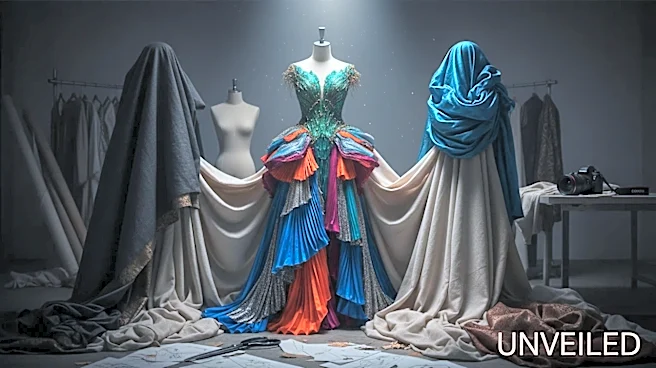
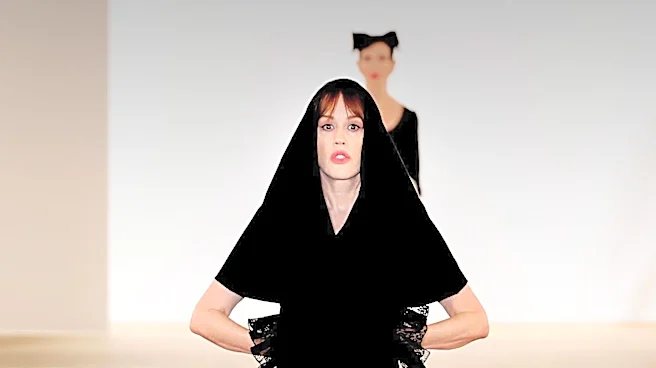
dressing up; they are embodying a narrative. Similarly, when a designer like Iris van Herpen sends a 3D-printed gown that seems to defy gravity down the runway, she is creating a piece of wearable art that tells a story of technology, nature, and the future. This isn't just clothing; it's world-building. For both the cosplayer and the couturier, the goal is to transport an audience—and the wearer—to another reality. Events like the Her Universe Fashion Show at San Diego Comic-Con explicitly celebrate this blend, encouraging designers to create “geek couture” that merges fandom with high-fashion principles. This year's show, for instance, challenges designers to create couture looks inspired exclusively by the DC universe, pushing them to find fresh interpretations of iconic characters.
The Craftsmanship Connection
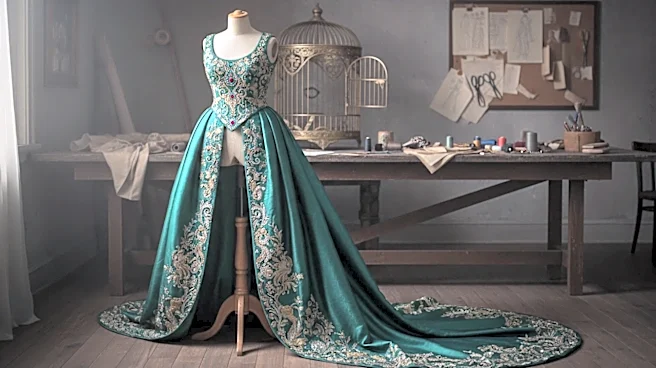
Beyond conceptual similarities, there’s a profound respect for craftsmanship that unites the two arenas. Haute couture, by definition, involves creating exclusive, handmade garments with extreme attention to detail and high-quality, often unconventional, materials. A single gown from a house like Schiaparelli might take hundreds of hours of painstaking work. In the same vein, elite-level cosplay has evolved far beyond simple store-bought costumes. Top-tier cosplayers are artisans who spend months engineering complex armor builds, hand-sewing intricate embroidery, and mastering techniques from 3D printing to leatherworking. They are not just mimicking an outfit; they are problem-solving and innovating to bring a digital or illustrated character to life. This shared dedication to meticulous, time-consuming craft creates a mutual respect. While one is for a client and the other is for personal expression, both a couture piece and a master-level cosplay costume are monuments to physical problem-solving and textile manipulation.
From Runway to Hall H
The influence is becoming more direct. The theatrical, surrealist, and architectural designs of specific couturiers serve as a direct inspiration for the cosplay community. The otherworldly, nature-inspired creations of Iris van Herpen, which often look like something from a science-fiction film, are a prime example. Her use of advanced techniques like 3D printing to create fluid, sculptural forms provides a tangible blueprint for cosplayers looking to build futuristic or magical armor. Likewise, the surreal, often witty designs of Daniel Roseberry for Schiaparelli—with their gilded anatomical details and dramatic silhouettes—offer a rich vocabulary for interpreting fantastical characters. These designers are pushing the boundaries of what clothing can be, and in doing so, they are providing a high-fashion language that cosplayers can use to elevate their own interpretations of characters from games, comics, and films.
More Than Imitation, It's Interpretation
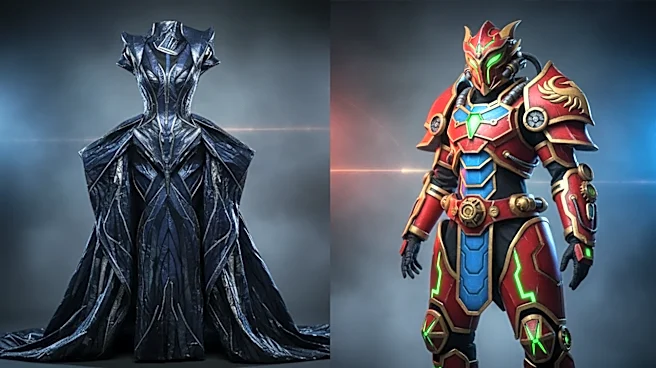
Ultimately, the borrowing isn't just about copying a look. It’s about adopting an ethos. The most exciting examples of this trend aren't cosplayers recreating a specific runway outfit, but rather using couture concepts to create a hybrid design. A cosplayer might ask, “What would this superhero’s armor look like if it were designed by Alexander McQueen?” or “How would this anime character dress for the Met Gala?” This creative fusion is a sign of cosplay's evolution from pure replication to a more interpretive art form. It reflects a desire to add a layer of personal style and high-fashion sensibility to beloved characters. This shift elevates the entire medium, turning it into a conversation where fan culture not only consumes media but actively reinterprets it through a sophisticated aesthetic lens, blurring the lines between fan art and high art.