



More Than a Jukebox
On the surface, a tribute medley seems simple: pack as many beloved hits as possible into a few precious minutes of airtime. But the producers and musical directors behind these moments, often master curators like Questlove, are operating on a much deeper
level. They aren’t just creating a playlist; they are scripting a narrative with a beginning, middle, and end. The goal is to construct a story about an artist’s career, a genre’s evolution, or a specific cultural moment. Hip hop has always been a narrative-driven art form, with storytelling embedded in its DNA. A great medley honors this tradition, using the sequence of tracks to build a story that resonates emotionally and historically with the audience. It transforms a highlight reel into a coherent, compelling saga.
The Biographical Arc
One of the most effective storytelling techniques is the chronological journey, which maps an artist's evolution from hungry upstart to established icon. Take Missy Elliott’s Video Vanguard Award performance at the 2019 VMAs. The medley didn't just play her biggest songs; it told her life story in chapters. It kicked off with her then-new track "Throw It Back" before rewinding time to foundational hits like "The Rain (Supa Dupa Fly)." From there, it progressed through her imperial phase with culture-shaking hits like "Get Ur Freak On" and "Work It," before culminating in the high-energy release of "Lose Control." This wasn’t just a collection of singles; it was a narrative of artistic growth. The audience witnessed her journey from an avant-garde newcomer to a definitive legend, all through the deliberate ordering of the songs that defined each era of her groundbreaking career.
A Story in Eras and Regions
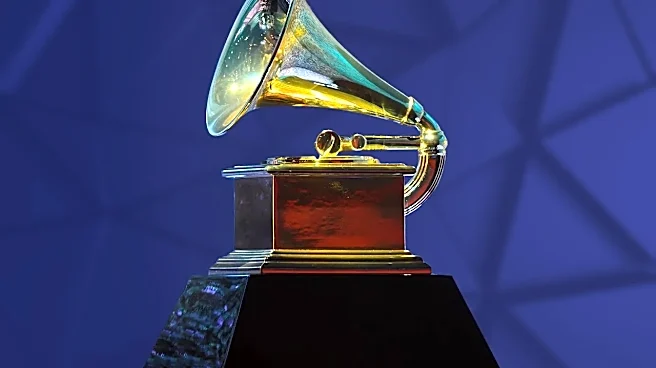
For broader tributes, the storytelling becomes even more complex, moving from a single biography to a sprawling historical epic. The 50th Anniversary of Hip Hop tribute at the 2023 Grammys was a masterwork of this approach. Curated by The Roots' Questlove, the 14-minute performance wasn’t strictly chronological. Instead, it functioned like a cinematic montage, grouping artists by era, region, and influence to tell the story of the genre's explosive diversification. The set moved seamlessly from New York pioneers like Grandmaster Flash and Run-DMC to West Coast legends like Ice-T, then on to Southern game-changers like Scarface and Big Boi, and contemporary stars like Lil Baby and GloRilla. Performers weren’t just passing the mic; they were engaging in a historical dialogue. The sequence created a narrative map, showing how the seeds planted in the Bronx grew into a global forest with countless branches, each with its own distinct flavor.
Crafting an Emotional Journey
Beyond history and biography, the most potent storytelling tool in a medley is its emotional arc. This is classic DJ theory applied to a live stage: managing the energy of the crowd. A performance might start with an explosive, high-energy track to immediately capture attention. It could then shift into a more lyrical or introspective section, allowing for a moment of reflection before building again towards a crescendo of universally known party anthems. Busta Rhymes’s tribute at the 2023 BET Awards was a perfect example, moving through different phases of his career with a clear focus on energy and showmanship. The final song choice is also critical. Does it end on a triumphant, celebratory note, or a more poignant, legacy-cementing track? This careful manipulation of tempo, mood, and nostalgia is what separates a good medley from a truly unforgettable one. It ensures the audience isn't just watching a performance; they're feeling a story.