




Lesson 1: Curation Is a Product
The most powerful lesson from Flog Gnaw is that taste itself is a valuable product. The festival's lineup is a direct reflection of Tyler, the Creator's personal, and often eclectic, musical passions. It’s not curated by algorithm or committee; it’s a human-led
discovery engine. For years, fans have bought tickets before a single artist is announced, a testament to their trust in Tyler's vision. For music managers, this is a crucial insight. In an era of data-driven everything, having a distinct point of view and a willingness to champion a unique 'tastemaker' brand for your artist is a powerful differentiator. It’s about building a world so compelling that fans trust where you'll take them next, even if they don't know the destination.
Lesson 2: Embrace Genre Fluidity to Build Worlds
The 2026 lineup is a perfect example of the festival's genre-agnostic approach. It places rap titan Future alongside hardcore breakouts Turnstile, R&B innovator Steve Lacy, and vintage soul group Thee Sacred Souls. This isn’t chaos; it’s intentional world-building. Flog Gnaw understands that modern music fans don't live in neat genre silos. They create playlists that jump from hip-hop to indie rock to experimental pop. By mirroring this behavior, the festival creates an environment of discovery. Managers should take note: boxing an artist into a single genre can be limiting. The most exciting career trajectories often happen when artists are allowed to pull from diverse influences, creating a unique sonic identity that builds a more passionate, open-minded fanbase.
Lesson 3: Balance Headliners with 'Cool' Discoveries
While big names like Future and Steve Lacy anchor the bill, the lineup is packed with artists who are critically acclaimed or on the verge of breaking big, like Jane Remover, MIKE, and Nourished by Time. The festival has a history of giving a platform to rising voices who go on to find much broader audiences. This strategy serves two functions: it gives the festival credibility with in-the-know fans and provides a genuine service of discovery. The lesson for managers is to focus on building an artist's cultural capital, not just chasing the biggest streaming numbers. Getting your artist placed in a 'cool' context, whether it's an opening slot for a respected peer or a feature on a curated playlist, can be more valuable for long-term career health than a fleeting viral moment.
Lesson 4: Use Nostalgia as a Bridge, Not a Crutch
Camp Flog Gnaw has deep roots in the Odd Future collective, and the 2026 lineup reflects that with appearances from Earl Sweatshirt, Syd, Domo Genesis, and other alumni. However, it never feels like a pure nostalgia act. Instead, it treats this history as one color in a much larger palette. It brings the original fans along while using that foundation to introduce them to new sounds. For managers, this is a lesson in managing legacy and evolution. For artists with a long history, it's not about endlessly recreating the past. It's about honoring the roots while continuing to innovate, using the trust built with longtime fans as a bridge to introduce them to the artist's current vision.
Lesson 5: The Experience Is the Brand
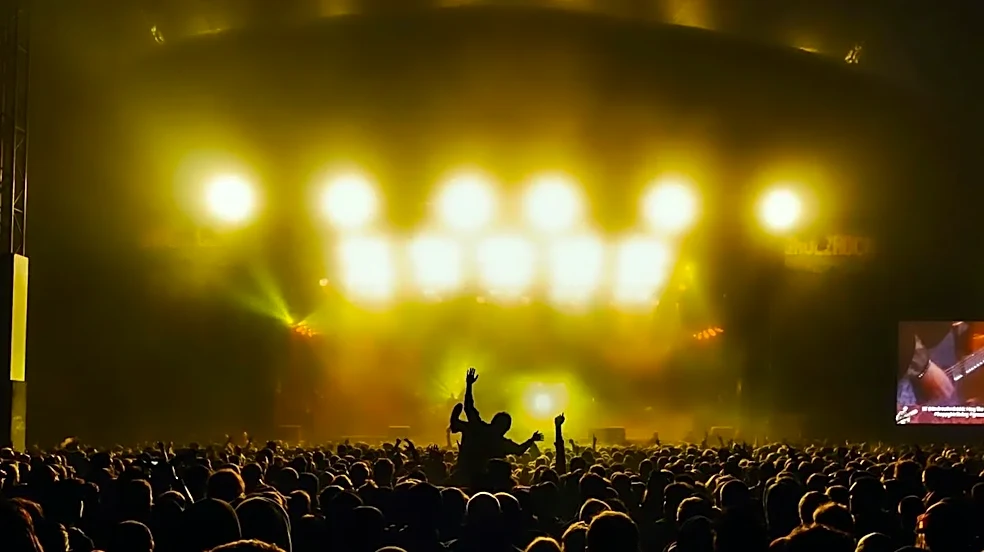
Ultimately, the artist mix at Flog Gnaw serves a larger purpose: crafting a complete, immersive experience. From the carnival rides and games to the food trucks, the event is more than a series of concerts; it’s a world. The lineup is the soundtrack to that world. This holistic approach is why the brand is so strong. The takeaway for managers is to think beyond the music. What is the artist's visual identity? What is their social media presence saying? What do their live shows feel like? Building a strong, coherent brand around an artist makes them more than a musician; it makes them a cultural entity that fans want to be a part of, ensuring a dedicated audience for years to come.