




The Golden Rule: Sunscreen First
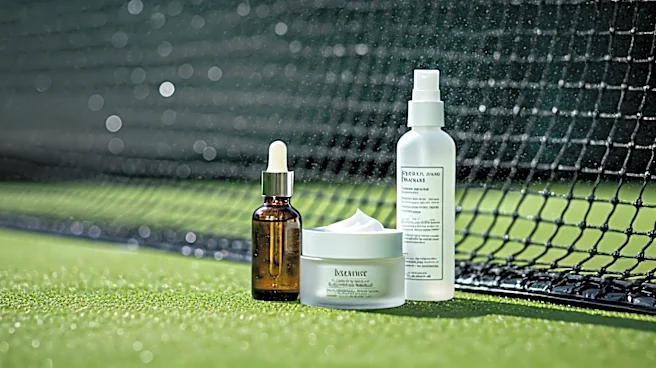
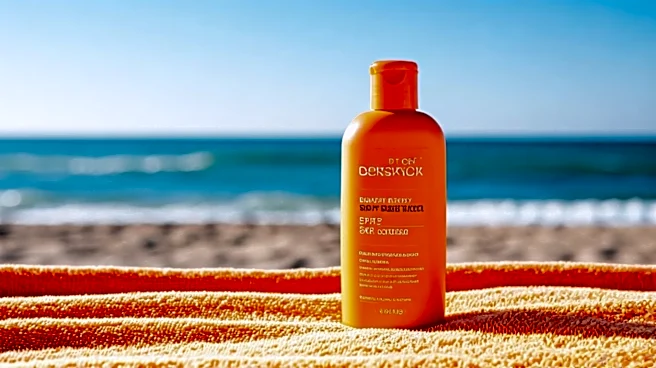
Let’s get the most important step out of the way: sunscreen is skincare, not makeup. It must be the final step of your skincare routine, applied after your moisturizer but before any makeup, including primer. Why? Sunscreen needs to form a continuous,
even film on your skin to provide the protection listed on the bottle. Applying it over primer or foundation creates a barrier, preventing it from doing its job effectively. And no, the SPF in your foundation is not enough. Studies show most people apply a fraction of the makeup needed to achieve the advertised SPF value, leaving their skin vulnerable. Think of SPF in makeup as a bonus, not the main event.
The Chemistry of Compatibility: Water vs. Silicone
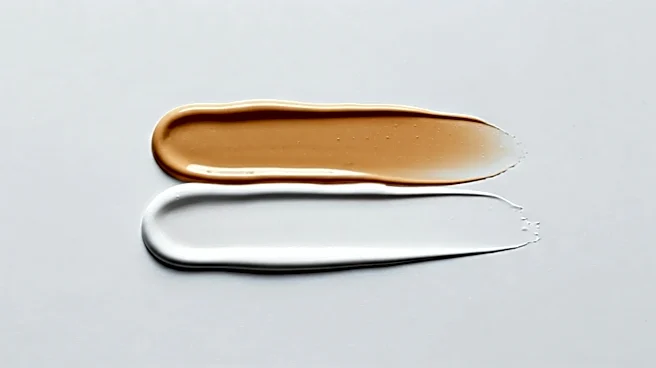
Here's the real “math” that trips most people up. It’s the simple principle of oil and water not mixing. Most primers and foundations are either water-based or silicone-based. Pairing a silicone-based primer with a water-based foundation is a recipe for disaster. The silicone creates a smooth, film-like surface that repels the water in your foundation, causing it to separate, slide around, or pill. The golden rule is to match your bases: use a water-based primer with a water-based foundation, and a silicone-based primer with a silicone-based foundation. To check, look at the first few ingredients. If you see water (aqua) and no ingredients ending in “-cone” or “-siloxane” near the top, it's likely water-based. If words like “dimethicone” or “cyclopentasiloxane” are high on the list, it's silicone-based.
The Equation of Time: Why Waiting Matters
Patience is a virtue, especially in makeup application. Rushing through your layers is a primary cause of pilling, where products clump into little balls. Each layer needs time to set before you add the next one. After applying sunscreen, you should wait for it to fully absorb and form its protective shield. Different sources recommend different times, but a good rule of thumb is to wait at least 3-5 minutes, or until the sunscreen no longer feels wet. Some experts suggest waiting up to 15 minutes for maximum effectiveness. For primer, a minute is usually sufficient to let it set before you go in with foundation. This wait time prevents the products from mixing into a muddy mess and allows each to perform as intended.
Solving for X: Application Technique
How you apply your products is just as important as what you’re applying. After taking the time to let your sunscreen set, the last thing you want to do is aggressively rub it away. Vigorous rubbing with a brush or your fingers can disturb that protective film you so patiently waited for, creating patchiness in both your sun protection and your makeup. Instead, use a gentle patting or stippling motion. Many experts recommend using a damp beauty sponge to lightly tap on your foundation. This technique presses the foundation onto the skin without shifting the layers underneath, ensuring everything stays smooth, even, and protected.
Bonus Variables: Mineral vs. Chemical Sunscreen
The type of sunscreen you use can also affect your makeup application. Chemical sunscreens work by absorbing into the skin and converting UV rays into heat, and they often have a lighter, more blendable texture that is preferred for layering under makeup. Mineral sunscreens, containing zinc oxide or titanium dioxide, sit on top of the skin and act as a physical barrier. While traditionally thicker, many modern mineral formulas are lightweight and can even double as a smoothing primer. If you have sensitive skin, mineral sunscreen is often the recommended choice as it's less likely to cause irritation. Ultimately, the best sunscreen is one you'll wear consistently, so choose the formula that feels best on your skin and works with your favorite makeup.