
No Spectators, Only Participants
A core principle at Burning Man is “No Spectators.” This isn't just a friendly suggestion; it’s a foundational philosophy that shapes the entire event. In the context of its famous art, it means the line
between the artist and the audience is intentionally blurred. The best installations aren't complete when the artist finishes building. They are merely frameworks waiting for their final, crucial component: human interaction. This philosophy moves beyond simple interactivity, like pushing a button to trigger a light. Instead, it creates complex systems where the unpredictable, chaotic, and joyful behavior of thousands of people becomes the primary medium. The art is designed to respond not just to an action, but to a mood, a crowd, and a moment.
Designing for Unpredictable Outcomes
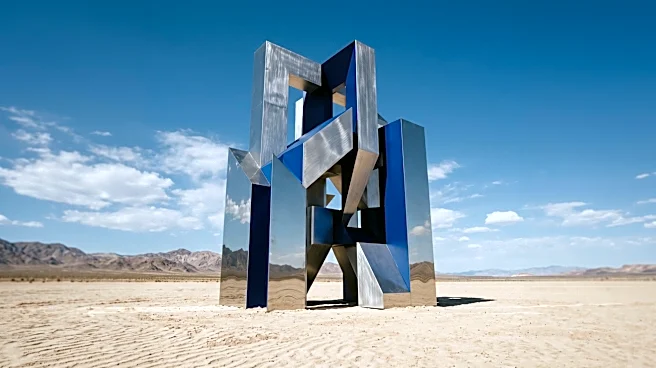
The genius of this approach lies in designing for unpredictability. An artist might build a massive musical instrument that can only be played when a dozen strangers coordinate their movements. Another might create a sculpture that projects light patterns based on the ambient sound of the crowd. The physical object—the steel, wood, or electronics—is just a catalyst. The real art is the unscripted performance that follows: the laughter, the failed attempts, the eventual, beautiful synchronization of a group of people working together. These pieces don't just invite participation; they require it to exist. Without the audience, they are inert and incomplete. One famous mantra is that you don't just see the art, you might be wearing it, climbing it, or even living in it.
From Viewer to Co-Creator
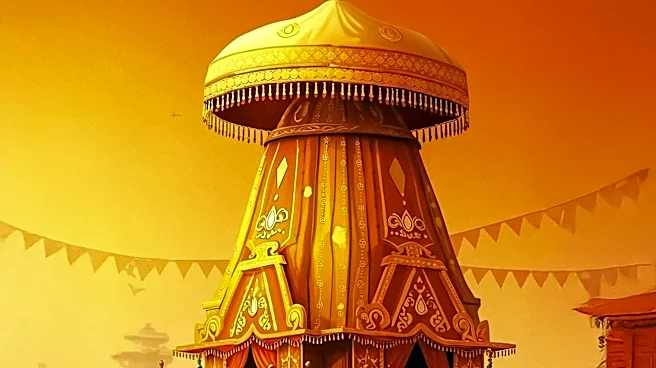
This philosophy elevates the role of the attendee from a passive consumer to an active co-creator. It’s a direct reflection of Burning Man's principle of “Radical Participation,” the idea that transformative change happens through personal involvement. When you write a message on the walls of the Temple, a massive, ornate structure built to be a space for reflection and remembrance before it's ceremonially burned, you are adding your story to a collective tapestry. The structure itself is the canvas, but the art is the accumulation of thousands of individual acts of expression and grief. The artist provides the space, but the community provides the soul. This act of co-creation fosters a powerful sense of ownership and connection that passive viewing rarely achieves.
The Masterpiece Is the Moment
Ultimately, the most powerful artworks on the playa are ephemeral. The true masterpiece isn’t the physical thing that gets built and then dismantled or burned at the end of the week. It’s the unrepeatable moment of collective experience. It’s the sight of a shipwreck appearing to sink into the desert floor, creating a surreal amphitheater for spontaneous performances. It's the shared effort of pulling ropes to bring a massive kinetic sculpture to life. These moments cannot be bottled, sold, or perfectly replicated. The art is not the object; it's the memory of the interaction. By treating the audience as a medium, these artists ensure their work lives on not in a gallery, but in the stories people tell for years to come.