



The Costume as Character GPS
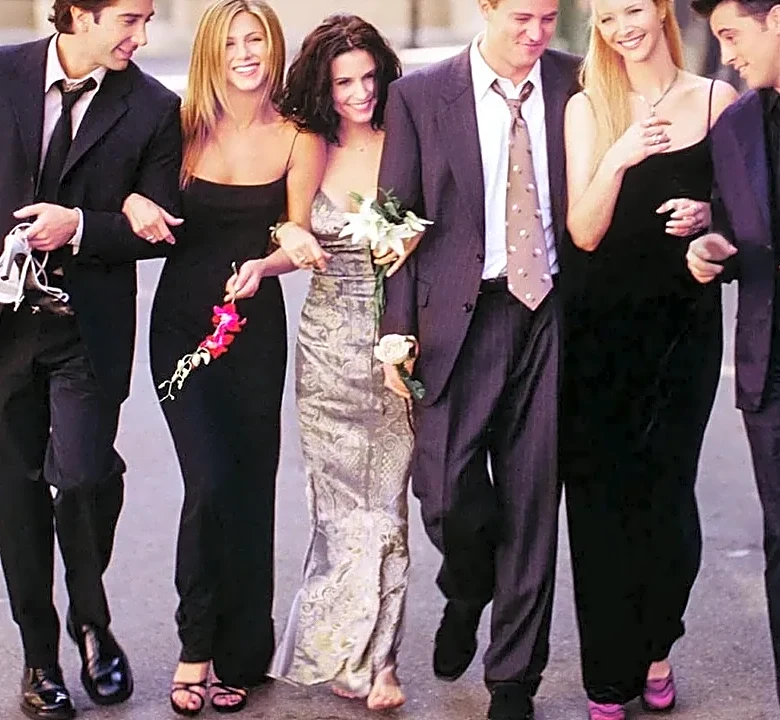
A Halloween costume is a perfect shortcut to a character’s innermost self—their ego, their insecurities, their secret nerdiness. No one exemplified this better than Ross Geller on Friends. His infamous “Spud-nik” costume, a baffling combination of a potato
and a satellite antenna, was pure, uncut Ross. It was an obscure, intellectual pun that no one else understood, forcing him to over-explain it to a party of confused onlookers. The costume perfectly encapsulated his personality: well-intentioned, a little arrogant, and fundamentally uncool. Similarly, on Superstore, Jonah’s decision to dress as “Brexit” by wearing a British flag and an exit sign is a hilarious manifestation of his desire to be seen as politically aware and intellectually superior to his retail colleagues. The costume becomes the ultimate character tell.
The Awkward-Costume Conflict
Nothing fuels a sitcom plot like a good old-fashioned misunderstanding or rivalry, and Halloween costumes are the perfect catalyst. The quintessential example comes from The Office, when not one, not two, but three employees—Dwight, Kevin, and Creed—show up to the party dressed as the Joker from The Dark Knight. The escalating tension as each new Joker enters the room is a masterclass in cringeworthy comedy, turning a simple costume choice into a silent, simmering office conflict. A different kind of costume-driven conflict comes from forced group themes. In Modern Family, Claire Dunphy’s obsession with a perfectly orchestrated, terrifying Halloween often clashes with her family’s less-than-enthusiastic participation. Her attempts to assign roles and costumes frequently backfire, revealing the messy, uncooperative, yet ultimately loving dynamics of the Pritchett-Dunphy clan.
The Plot That Hangs on a Costume
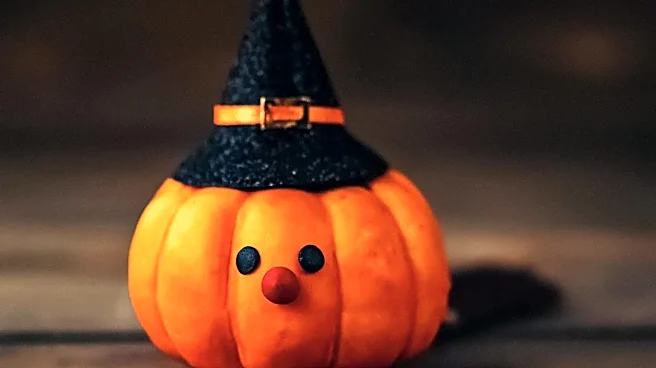
Sometimes, an entire episode’s narrative is built around a single, pivotal costume. The legendary “Slutty Pumpkin” from How I Met Your Mother is the prime example. For years, Ted Mosby pines for a woman he met once at a Halloween party, identifiable only by her unique pumpkin costume with strategically placed holes. The costume becomes a symbol of his romantic idealism and his quest for “The One.” When he finally meets Naomi, the woman behind the costume, their complete lack of chemistry proves that the fantasy was better than the reality. The costume wasn't just an outfit; it was a multi-season MacGuffin that drove Ted's romantic storyline forward, all while being a recurring joke.
The Prophecy of the Annual Heist
No show weaponized Halloween like Brooklyn Nine-Nine. The annual Halloween Heist episodes became a beloved tradition where the costumes were not just jokes, but tools of deception in an elaborate, season-defining contest. Whether it was Jake dressing as a janitor to steal Captain Holt's Medal of Valor or the entire squad using disguises to double- and triple-cross each other for a coveted trophy, the costumes were integral to the plot's intricate machinery. The cold open of “Halloween III,” where the squad pranks Charles by pretending to have all dressed up, only to reveal their normal clothes, perfectly captures how costumes became a central part of the precinct's in-jokes and rivalries. In the Nine-Nine, a Halloween costume was never just for show; it was a piece of tactical gear.