



A Masterclass in Joyful Color
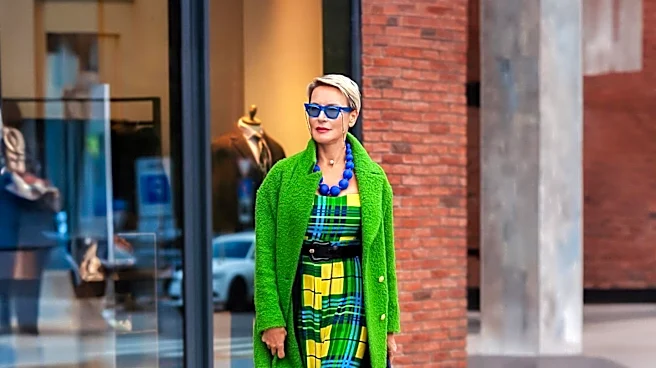
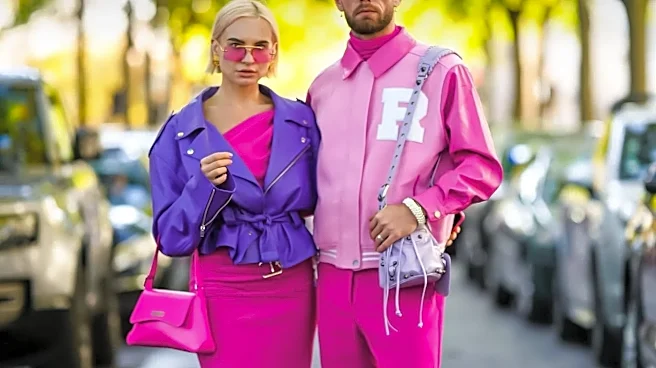
Forget the sea of monochrome. The real uniform of Copenhagen's style set is a fearless embrace of color. Designers like Stine Goya and Baum und Pferdgarten have built their brands on playful prints, unexpected color combinations, and a general sense of sartorial
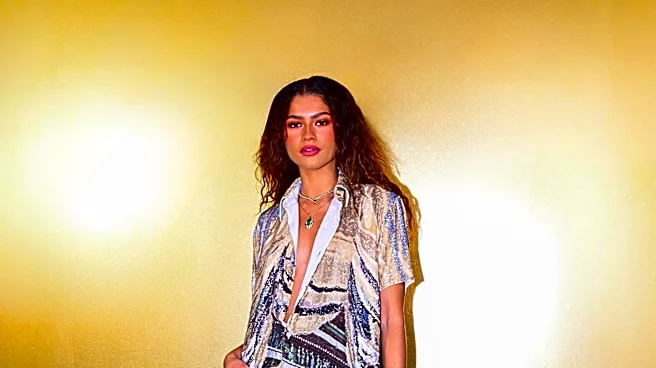
fun. This isn't just about runway statements; the street style during Copenhagen Fashion Week (CPHFW) is a testament to this ethos. Attendees mix stripes with florals, pair vibrant dresses with chunky sneakers, and prove that dressing for a gray, drizzly day doesn't have to be drab. It's a philosophy that has been dubbed "dopamine dressing"—choosing clothes that actively bring you joy—and it's a direct rebellion against the quiet, muted palette often associated with the region. This approach redefines Scandi cool, shifting it from restrained elegance to expressive confidence.
Sustainability as a Standard, Not a Suggestion
Perhaps the most significant way Copenhagen fashion is about more than aesthetics is its world-leading commitment to sustainability. Since 2020, CPHFW has been phasing in a mandatory set of sustainability requirements for all participating brands. As of 2023, designers who want to be on the official schedule must meet a minimum of 19 standards covering everything from fair labor conditions and zero-waste show productions to using sustainable materials. For the Fall/Winter 2026 season, at least 60% of a collection must be made from certified, preferred, upcycled, or deadstock fabrics. This has fundamentally changed the conversation, embedding responsibility into the very fabric of the city's fashion identity. It's not a trend or a marketing gimmick; it's the price of entry, making Copenhagen a global leader in pushing for real, systemic change in the industry.
The Art of Effortless Practicality
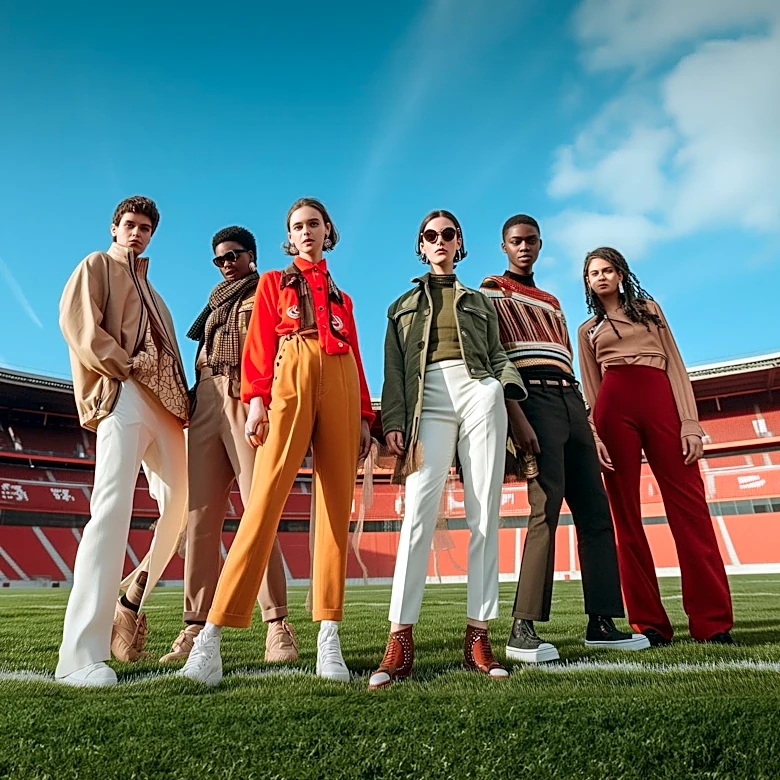
Copenhagen is a city where people bike everywhere, rain or shine. This everyday reality is the secret ingredient to its unique style. The fashion here is aspirational but never impractical. It's a delicate balance of form and function. You'll see voluminous, couture-like dresses paired with comfortable sneakers, or elegant tailoring layered under a practical windbreaker. This blend of high and low, of fantasy and reality, is what makes the style so compelling and replicable. The looks are directional but still feel grounded enough for a bike ride to work or a walk along the canals. It’s fashion for people who have lives to live, proving that you don't have to sacrifice style for comfort or practicality. This approach results in an 'effortless' look that is, in reality, thoughtfully constructed for real life.
An Accessible Kind of Cool
For decades, fashion's main events in Paris, Milan, London, and New York felt distant and exclusive. Copenhagen has cultivated a different energy. It's often called the "fifth fashion city" and has become a favorite of influencers and editors because it feels more accessible and less hierarchical. The brands are often younger, and the street style is as much a part of the show as what happens on the runway. This has created a powerful feedback loop where the city’s authentic style is amplified globally, inspiring a new generation. The vibe is less about untouchable luxury and more about individual expression and a shared sense of discovery. It's an atmosphere where creativity, joy, and a strong sense of community feel more important than status, making it a truly modern and influential force in fashion.