









The Goal: Communication vs. Annihilation
The fundamental difference lies in intent. A classic horror movie alien, like the Xenomorph from *Alien* or the shapeshifter from *The Thing*, is a predator. Its goals are brutally simple: survive, reproduce, and eliminate any threat. It is a biological
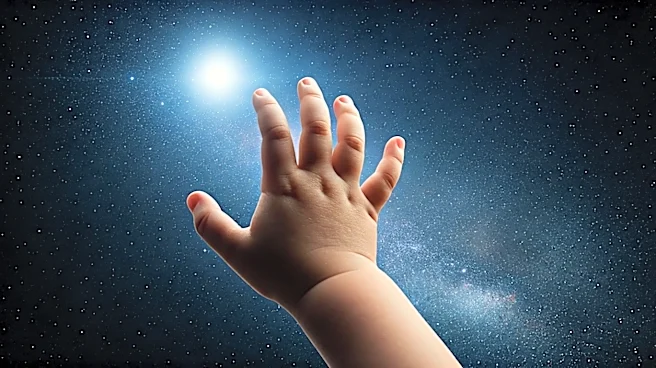
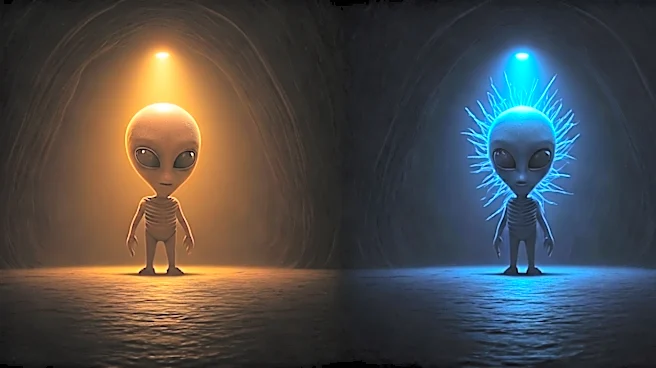
imperative stripped of morality. The creature from *A Quiet Place* hunts by sound, a force of nature as unthinking and deadly as a hurricane. Communication is not only impossible, it’s irrelevant. Trying to reason with a Xenomorph is like trying to negotiate with a shark. Spielberg’s aliens, by contrast, almost always want to talk. In *Close Encounters of the Third Kind*, they don’t invade; they send an invitation through the universal language of music—a five-note sequence that becomes a hymn of hope. E.T., lost and alone, learns to communicate through a child’s heart and a Speak & Spell, driven by a simple, desperate need to “phone home.” For Spielberg, the first contact isn’t a prelude to war, but a quest for understanding. The drama comes from humanity’s struggle to listen, not the alien’s desire to destroy.
The Lens: Childlike Awe vs. Primal Fear
Spielberg consistently frames his alien encounters through a lens of innocence. He filters the extraordinary through the ordinary, often using a child or a childlike adult as his protagonist. In *E.T.*, the awe and purity of a child’s love is what saves the alien. In *Close Encounters*, Richard Dreyfuss’s Roy Neary is a man driven by a wide-eyed, almost obsessive wonder, sculpting mountains out of mashed potatoes. This perspective strips the alien of its otherness and transforms it into a source of magic and spiritual awakening. The government and military are the antagonists, representing a cynical, fearful adult world that has lost its capacity for wonder. Horror does the exact opposite. It uses aliens to tap into our most primal, adult fears: violation, infection, and the loss of self. The facehugger in *Alien* is a walking nightmare of bodily invasion. The creature in *The Thing* stokes paranoia, turning friend against friend because the enemy could be hiding inside anyone. These films aren't about awe; they are about contamination and the terrifying fragility of the human body and mind. The threat isn’t just being killed—it’s being unmade.
The Metaphor: Hope vs. Helplessness
Ultimately, the aliens in these films are mirrors. Horror movie aliens reflect our anxieties. They are metaphors for incurable disease, Cold War paranoia (*Invasion of the Body Snatchers*), the dark side of nature, or the existential dread of a meaningless, hostile universe. They confirm our worst fear: that we are small, fragile, and on the menu. The power dynamic is one of absolute helplessness, forcing humanity to scrabble for survival against an overwhelmingly superior or incomprehensible foe. Spielberg’s aliens reflect our hopes. E.T. isn’t just a creature; he’s a stand-in for friendship, empathy, and even a gentle Christ-like figure who dies and is reborn. The beings in *Close Encounters* are benevolent, almost angelic figures who usher humanity into a new, more enlightened cosmic era. They suggest that there is something bigger than us, and that it is good. They offer transcendence, not terror. They flatter our sense of cosmic importance by suggesting that we are, in fact, worth visiting.
The Exception That Proves the Rule
Of course, there is *War of the Worlds*. In his 2005 remake, Spielberg finally gave us a truly terrifying, destructive alien invasion. The towering Tripods emerge from the ground and begin indiscriminately vaporizing people. But even here, Spielberg’s humanism shapes the story in a way a typical horror director’s might not. The focus is less on the monster and more on the frantic, desperate journey of a fractured family trying to survive. The aliens are an impersonal, unstoppable force, much like the 9/11 attacks that influenced the film’s imagery. The story’s heart isn’t about fighting the monster, but about a father learning to protect his children in a world gone mad. In the end, the aliens aren't defeated by human ingenuity, but by the smallest things on Earth: microbes. It's a humbling conclusion that reinforces a sense of planetary connection, not just a triumphant victory.