


Look closely at the world’s biggest stages, and you’ll see it: an unmistakable silhouette is back. The dramatic, larger-than-life shoulder of the 1980s has returned, but it’s not just a fleeting retro fad. It’s a power move.
The Architectural Return
On runways and red carpets,
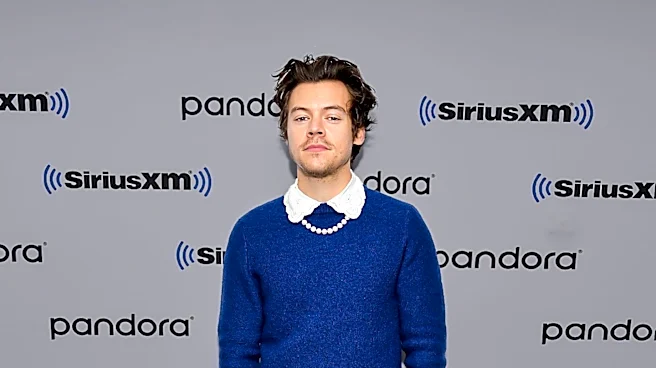
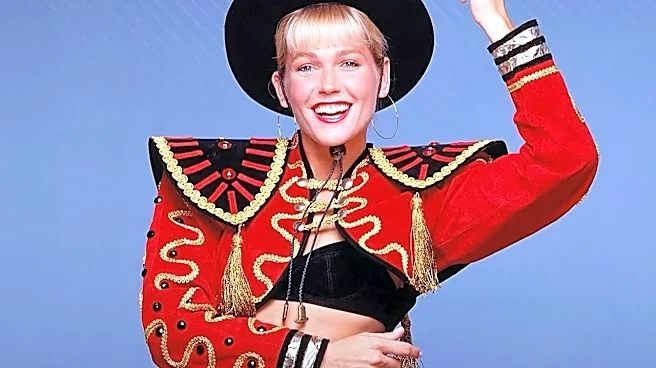
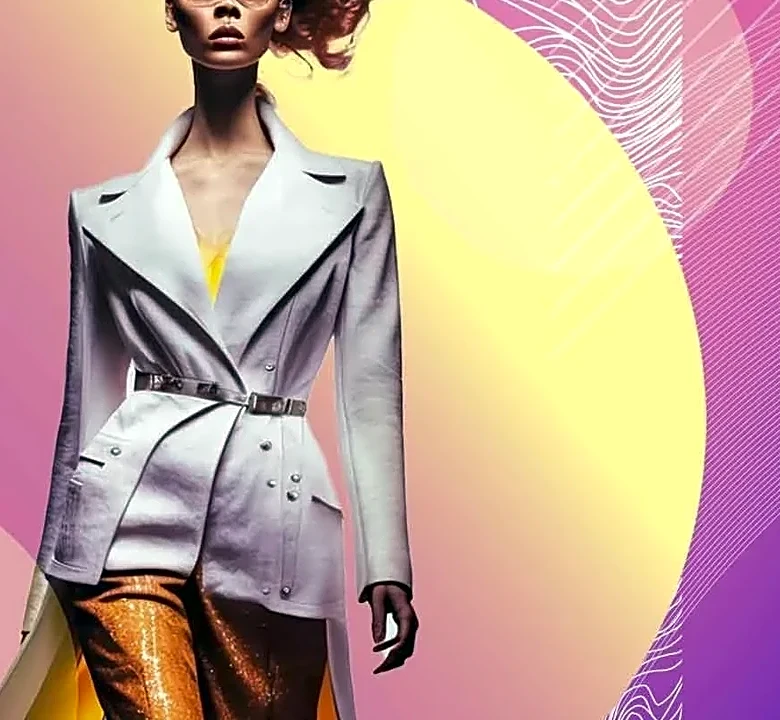
the evidence is mounting. Recent collections from designers like Saint Laurent and Stella McCartney have featured jackets and blazers with shoulders so prominent they redefine the wearer's entire frame. This isn't the subtle, softly structured shoulder of recent years; this is the unapologetic, 'linebacker' silhouette that dominated the 1980s. We're seeing it on performers known for their bold aesthetic choices, from Lady Gaga's theatrical ensembles to the gender-fluid tailoring embraced by artists like Harry Styles. The look has appeared in various forms, from sharp, angular blazers to sequined jackets with exaggerated padding, signaling a clear shift away from minimalist sensibilities toward something far more declarative. This resurgence isn't happening in a vacuum; it’s a direct reflection of a broader cultural moment where artists are using fashion to make a statement.
A Flashback to Power Dressing
To understand why this trend makes sense now, we have to look back to its origins. The 1980s power shoulder wasn't just a fashion choice; it was a cultural symbol. As women entered the corporate world in greater numbers, the 'power suit'—with its broad, padded shoulders—became a form of sartorial armor. It was a way to command authority and project strength in environments traditionally dominated by men, visually borrowing from the masculine silhouette of a suit. Television shows like 'Dynasty' brought this look into millions of homes, cementing characters like Alexis Carrington as icons of glamour and aggression, with shoulders that seemed to barely fit through doorways. Musicians like Grace Jones and Annie Lennox also adopted the look, transforming it from a corporate uniform into a statement of artistic and personal power on stage.
The Stage as the New Boardroom
Today, the context has shifted. While the original power shoulder was about conquering the boardroom, its revival on stage is about commanding a different kind of space: the cultural conversation. In an era of non-stop content and social media saturation, an artist's visual identity is more crucial than ever. A dramatic silhouette is an immediate way to capture attention and create an unforgettable image. For a performer, literally taking up more physical space with broad, architectural shoulders translates to a larger-than-life persona. It's a visual shorthand for power, confidence, and control, not over a corporate ladder, but over their own narrative and performance. In this sense, the stage has become the new boardroom, and the power shoulder is once again the uniform for those who want to be seen and heard.
The Psychology of the Silhouette
There's a recognized psychological principle at play here, often called 'enclothed cognition'. The clothes we wear can tangibly influence our mindset and how we perceive ourselves. Putting on an outfit associated with power—like a well-tailored suit with strong shoulders—can trigger a mental shift, boosting confidence and assertiveness. For a performer, this is a powerful tool. A garment that makes you feel physically larger and more formidable can directly translate into a more commanding performance. It’s a form of creative armor that helps an artist step into their on-stage persona. The decision to wear such a bold look is an intentional act of self-expression, signaling to both the performer and the audience that what is about to happen is significant.