
The Incredible Shrinking Movie
For the better part of a decade, the film industry has operated on a binary model. On one end of the spectrum, you have the mega-budget, IP-driven blockbuster, a $200 million gamble that needs to gross
half a billion just to see a profit. On the other, you have the micro-indie, shot on a shoestring and hoping for a miracle. Lost in the middle was the mid-budget drama—the smart, character-driven film for adults, often starring well-known actors, that used to be the bedrock of cinema. These films, typically budgeted between $15 and $80 million, were squeezed out as studios chased franchise money and streaming services became a content graveyard for anything that didn't involve a superhero. But 2026 has shown signs of a shift. Tentpole fatigue is real, and audiences are increasingly rejecting the idea that every trip to the theater has to be for a cinematic universe event. Against all odds, the mid-budget picture is showing a surprising return on investment, suggesting a hunger for something more.
Why TIFF is the Perfect Launchpad
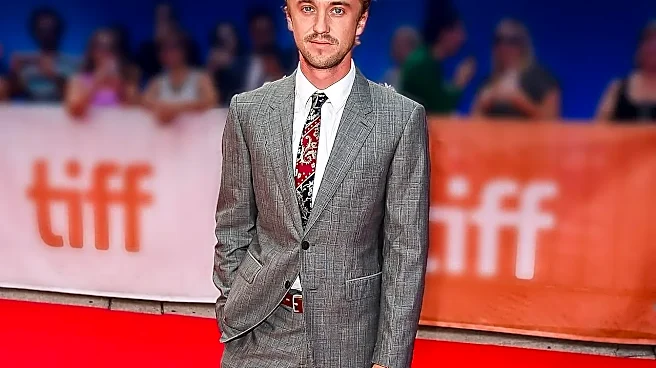
This is where the Toronto International Film Festival comes in. Unlike festivals such as Cannes, which is heavily curated, or Telluride, which is more of an industry-insider preview, TIFF is a sprawling, public-facing beast and a crucial marketplace. It’s a place where a movie without a pre-existing fan base can build one in real time. For a mid-budget drama, a strong premiere at TIFF is everything. It’s not just about good reviews; it’s about generating the one currency that matters in today's fractured media landscape: buzz. A standing ovation at the Princess of Wales Theatre or a bidding war from distributors can give a film the momentum it needs to secure a proper theatrical release and marketing budget. It’s a seal of approval that tells both studios and audiences that a film is worth their time and money. Twelve of the last fifteen winners of TIFF's coveted People's Choice Award have gone on to receive a Best Picture nomination at the Oscars, proving the festival’s power to launch a film into the cultural conversation.
The Contenders of 2026
This year’s lineup offers several prime examples of the kind of movies that stand to gain the most. Take “Being Heumann,” a historical drama about disability rights activist Judy Heumann from “CODA” director Siân Heder. Or “The Housewife,” a thriller and courtroom drama starring Naomi Watts about a journalist tracking down a former Nazi. Then there’s “All That She Wants,” a romantic comedy with Annie Murphy and Cooper Raiff that explores a modern age-gap relationship. These aren’t franchise plays. They are story-first, performance-driven films aimed squarely at adults—exactly the type of movie that has struggled to find its footing theatrically. For these films, the festival isn't just a premiere; it's an audition for a chance at survival in a crowded market.
Is the Rebound Real?
Of course, a strong festival run doesn’t guarantee blockbuster success. Many films have earned rave reviews in September only to disappear by November. The industry has changed, and audience habits have permanently shifted. But what TIFF provides is a powerful counter-narrative. It proves that there's still a robust appetite for movies that challenge, move, and entertain without relying on explosions or spandex. The success of mid-budget films in 2026 wasn't a fluke; it was a market correction. Films like "Obsession," a low-budget pickup from last year's festival, went on to become massive worldwide hits, proving that a compelling story can still cut through the noise. TIFF amplifies those stories, giving them a fighting chance to be heard.