





A Long Road From 'The Voice'
For many, Emily Ann Roberts first appeared on their screens in 2015 as a 16-year-old from Knoxville, Tennessee, charming her way to a runner-up finish on Season 9 of NBC’s 'The Voice'. As part of Blake Shelton’s team, her powerful vocals and traditional
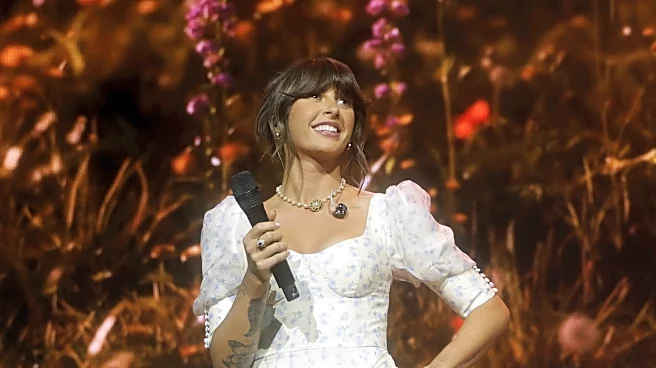
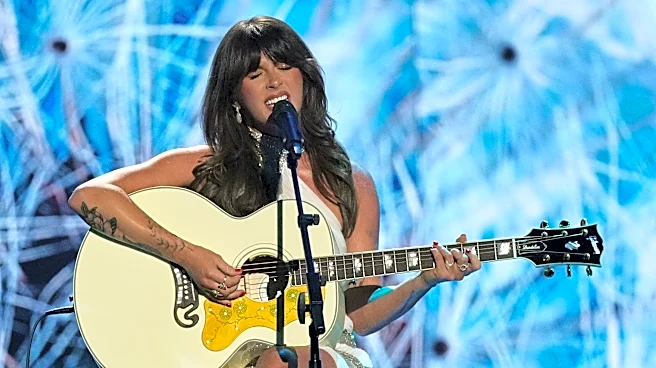
country-and-bluegrass leanings were evident. But unlike the instant-stardom narrative these shows promise, her path to a first-time CMA nomination has been a lesson in patience and persistence. After the show, Roberts finished high school before moving to Nashville. Instead of rushing out an album, she took advice from mentors like Shelton's then-manager and spent years honing her craft, writing songs, and touring. Her debut full-length album, 'Can't Hide Country', didn't arrive until 2023, a full eight years after her reality TV debut. That slow-burn strategy, however, seems to be paying off, building an authentic career that stands apart from the fleeting fame of the competition circuit.
The Talent Show Fast Track
Roberts is far from the first country star to get a boost from a primetime talent competition. The 'pipeline' from reality TV to country radio is well-established and incredibly effective. The most famous example is Carrie Underwood, who went from 'American Idol' winner in 2005 to one of the genre's all-time greats. But the list is long and varied, including winners and non-winners alike. Miranda Lambert and Kacey Musgraves both competed on 'Nashville Star' early in their careers. More recently, Morgan Wallen, arguably the biggest star in country music today, was a contestant on 'The Voice' in 2014, though he didn't make it to the finals. Artists like Scotty McCreery, Lauren Alaina, Kellie Pickler, and Cassadee Pope all used 'American Idol' or 'The Voice' as a launchpad. This path has become a legitimate alternative to the traditional Nashville route of playing dive bars and hoping for a record deal.
Why the Pipeline Works for Country
So why does this model work so well for country music? It comes down to audience connection. Talent shows offer a built-in narrative that country fans embrace: the relatable underdog with a big dream. Viewers get to know the artist’s backstory, follow their journey, and vote to support them, creating a loyal fanbase before a single song is ever released on a major label. This pre-built audience is invaluable in a genre that thrives on artist-fan relationships and authenticity. For Roberts, fans watched a teenager with a passion for traditional sounds grow into a mature artist. Her decade-long journey from a TV stage to a CMA nomination feels earned, not given. This sense of having 'paid her dues,' even in the public eye, resonates deeply with country listeners who value hard work and authenticity.
A New Guard at the CMAs
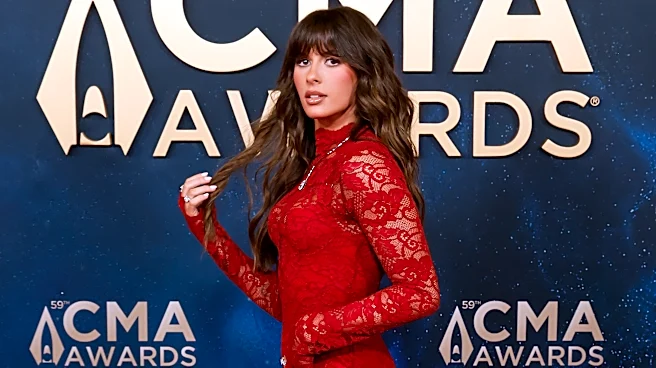
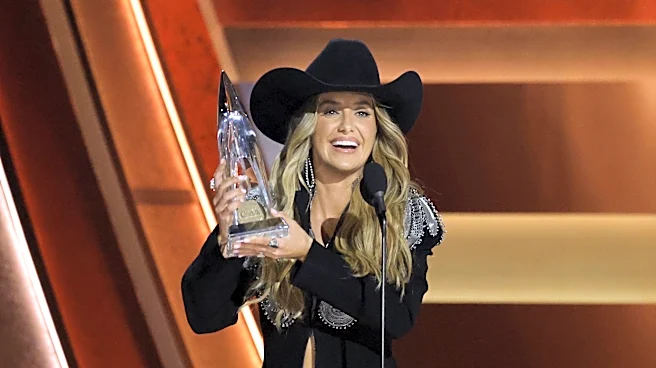
Roberts’s 2026 nomination for New Artist of the Year alongside Avery Anna, Carter Faith, Tucker Wetmore, and Stephen Wilson Jr. is a significant milestone. As one of 13 first-time nominees this year, her inclusion signals that the industry is recognizing diverse paths to success. In an exclusive interview just before the awards, Roberts reflected on the long road, saying, 'It feels really, really special, of course, being nominated...I feel very humbled and very grateful that God has opened up these doors'. Her presence at the ceremony, where she is also a presenter, isn't just a personal victory; it’s a validation of the talent show pipeline as a permanent fixture in country music's ecosystem. It proves that the road to country's biggest night may start under the bright lights of a Hollywood soundstage, but it’s still paved with years of hard work, touring, and, most importantly, country music that connects.