




More Than a Fan Festival
While over 250,000 fans flock to the Javits Center for a four-day celebration of pop culture, another, quieter event is happening in tandem. New York Comic Con hosts an extensive professional program specifically for industry insiders, including marketers,
publishers, retailers, and producers. This year's schedule features dedicated sessions on licensing, brand-building, and navigating the path from page to screen. There's even a Retailer Day before the main event kicks off, where publishers court comic shop owners. This dual structure is the key: NYCC is not just a consumer show; it's a trade show. It provides a space where industry professionals can network, make deals, and gauge the market's reaction in real-time, all while surrounded by their most passionate customers.
The IP Pipeline on Display
The floor of NYCC is a physical manifestation of the modern entertainment strategy: cultivate intellectual property (IP) that can live across multiple platforms. You don't just see a comic book booth; you see a 'story world' booth. Marvel, for instance, has a massive presence that isn't just about selling comics. Their booth is an immersive experience promoting upcoming Disney+ shows, video game collaborations, and new comic storylines, all presented as a unified universe. This year, DC Comics has an expanded, multilevel booth showcasing not just comics but also animation and gaming, with a separate 360-degree photo installation for cosplay. This layout isn't accidental. It encourages a fan of a TV show to pick up the source-material comic, or a gamer to get excited about an upcoming film adaptation, all within a few steps.
The Architecture of Hype
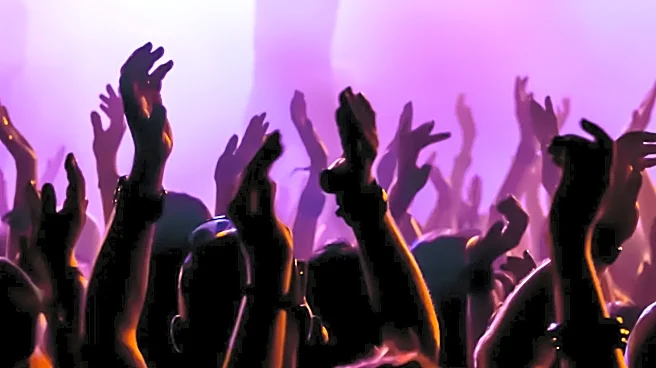
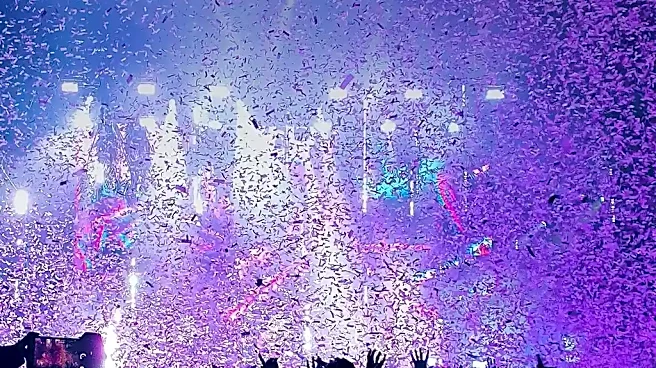
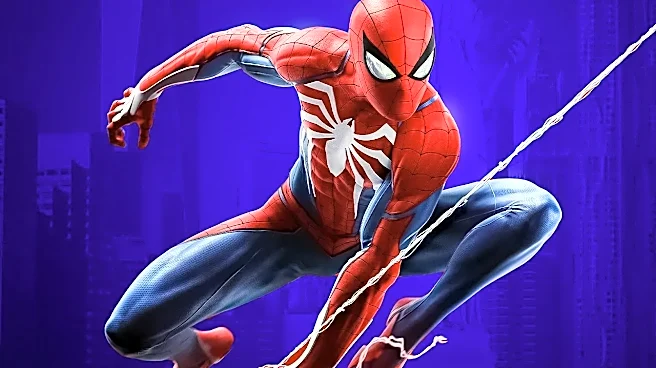
The biggest headlines from NYCC come from its main stages. These are less panels and more like rock concerts for upcoming media. This year, fans are buzzing about Marvel's teases for its Disney+ shows and a major Spider-Man announcement. Elsewhere, Universal is pulling back the curtain on highly anticipated adaptations. These events are meticulously engineered for viral impact. A surprise actor reveal, a world-premiere trailer drop, or a major project announcement is designed to generate billions of media impressions that ripple far beyond the Javits Center. The goal isn't just to excite the people in the room; it's to dominate the global entertainment news cycle for a weekend, creating broad public awareness and setting the stage for a successful launch months later.
Gaming as the New Superpower
Video games are no longer just an afterthought or a licensed tie-in; they are a central pillar of the cross-promotional structure. The show floor features hands-on demos for major upcoming titles, which is a crucial marketing step for the interactive medium. This year, anime and gaming are deeply intertwined, with panels for franchises like Naruto and Gundam discussing not just the shows but also new card games and franchise roadmaps. The presence of voice actors from major games, like stars from Final Fantasy and others, draws huge crowds, rivaling those for film and TV actors. This demonstrates a critical shift: successful game franchises are now so valuable that they are just as likely to spawn their own comics, TV shows, and merchandise lines, reversing the traditional flow of adaptation.