



For most of America, Thanksgiving logistics involve a frantic run to the supermarket. But in Avalon, a town clinging to Santa Catalina Island, the entire holiday arrives by sea. This year, it was late, and that makes all the difference.
An Island's Umbilical Cord
To understand Thanksgiving
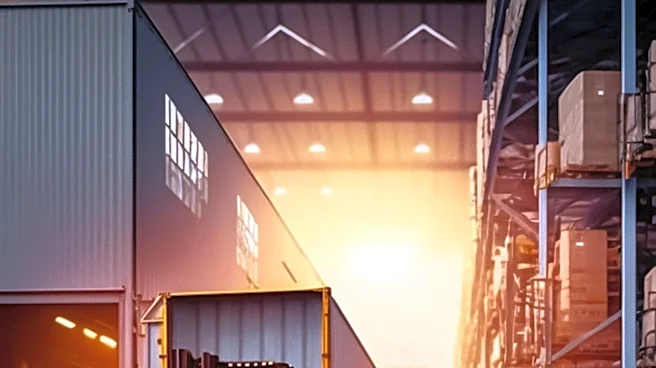
in Avalon, you have to understand the barge. While more than a million visitors a year arrive on passenger ferries, nearly everything else that sustains the island's 3,000 year-round residents makes the 22-mile journey from the mainland packed onto a massive floating platform. Food, fuel, cars, construction materials, and yes, every single frozen turkey destined for a holiday table—it all comes by sea. Avalon Freight Services runs this vital lifeline, with vessels like the Catalina Provider operating as the town's de facto umbilical cord. For islanders, the rhythm of life is tied to its arrival. This is never truer than in the days leading up to Thanksgiving, when pantries are bare in anticipation of the holiday shipment that stocks the local Vons and equips restaurants like the Avalon Grille and El Galleon for one of their most important services of the year.
A Holiday Held Hostage by the Weather
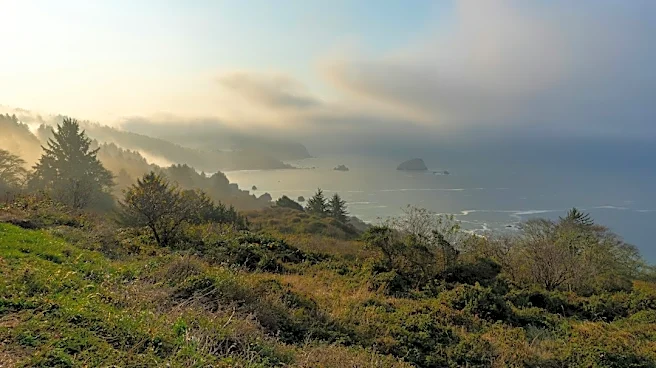
This year, the predictable rhythm was broken. A potent Pacific storm system, timed with cruel precision for Thanksgiving week, churned up the San Pedro Channel. The National Weather Service issued a coastal flood advisory for Catalina Island, warning of high surf and dangerous conditions from Monday through Thursday—the very window when holiday supplies were due. The final, critical barge, loaded with pallets of turkeys, bags of cranberries, and crates of potatoes, was delayed. What is normally a routine crossing became a subject of island-wide anxiety. For restaurateurs who had taken reservations weeks in advance and for families planning their feasts, the question wasn't just what to cook, but if they could cook at all. The delay transformed the holiday from a celebration of plenty into a stark reminder of the island's beautiful, yet profound, isolation.
The Scramble on Crescent Avenue
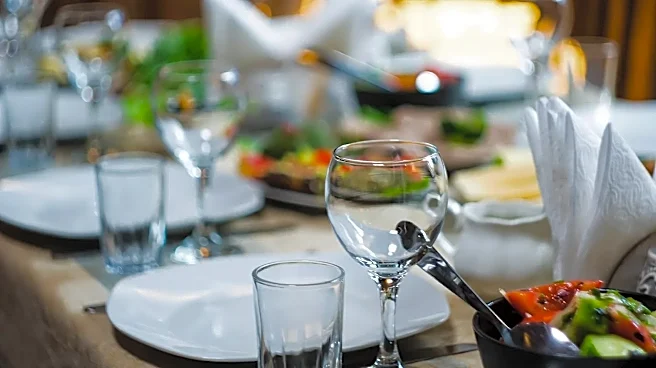
As news of the delay spread, a quiet panic, followed by a surge of community spirit, took hold. Instead of simmering gravy, islanders were simmering with resourcefulness. Neighbors took stock, pooling resources. 'Do you have extra onions? I have a bag of potatoes.' The single Vons supermarket, which offers prepared holiday meals, became ground zero for supply-chain triage as residents snapped up whatever was left on the shelves. Restaurants were forced to get creative, with chefs frantically reworking their prix-fixe menus. Could a locally caught fish stand in for the gobbler? Could they stretch their existing vegetable stock into new, inventive side dishes? The focus shifted from the perfect, traditional meal to simply having a meal to share. It became a town-wide puzzle, with every household and business holding a different piece.
More Than Just a Meal
When the barge finally arrived, late but laden with holiday goods, a collective sigh of relief washed over Avalon. But the incident was more than just a close call. It was a poignant lesson in what it means to live at the mercy of the ocean. A late Thanksgiving dinner in Avalon isn't just an inconvenience; it's a systems test of the entire community's resilience. It underscores the fragility of the supply chain that mainlanders take for granted. Here, you can't just drive to another store. The delay stripped the holiday down to its bare essentials: not the perfect turkey, but the act of gathering; not the abundance of choice, but the generosity of neighbors. It reinforces a powerful sense of shared identity, a knowledge that everyone, from the mayor to the local fishermen, is in the same boat—sometimes literally.