

1. Script the Narrative First
Before a single stage is built or a light is hung, the world needs a story. For Bonnaroo 2026, is the theme cosmic-pastoral, retro-futurist, or a psychedelic jungle? A production designer doesn’t just pick cool decorations; they establish a core narrative
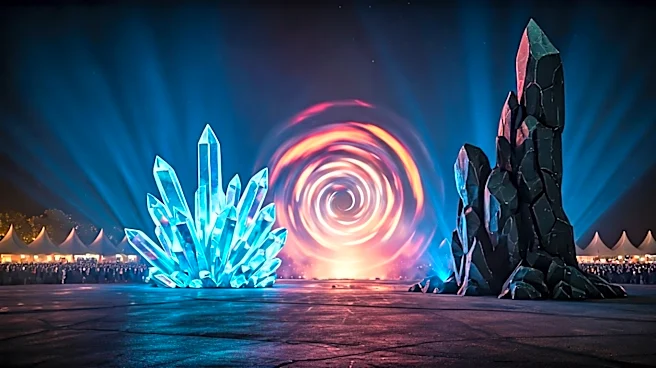
that informs every single choice. This 'lore' dictates the visual language, from the shape of the iconic arch to the patterns projected on the trees at 2 a.m. This story ensures that a random art installation in the middle of a field doesn't feel random at all—it feels like a discovery within a larger, cohesive universe. The goal is to make every attendee feel like they've stepped through a portal, not just a security gate.
2. Map the Emotional Journey
A festival is an emotional roller coaster, and the production designer is its track engineer. The layout of Bonnaroo isn't just about crowd flow and porta-potty access. It's a carefully mapped experiential path. The journey begins at the entrance: what’s the first thing attendees see to set the tone? The high-energy chaos of Centeroo needs wide-open spaces and clear sightlines. But what about the path to a chill, ambient stage? That might be a winding, tree-lined walk with softer lighting and interactive art, designed to decompress the senses. The designer asks: How should someone feel moving from the main stage to the food trucks? Excited? Calm? Curious? The physical environment is sculpted to guide that emotional state, creating a seamless psychological experience across the farm.
3. Design for Two Different Festivals: Day and Night
Bonnaroo is two distinct places. There's the sun-drenched, daytime festival of high-fives, fountain-running, and vibrant tapestries. Then, there’s the neon-drenched, nocturnal wonderland that emerges after sunset. A great production designer masters both. Daytime design is about shade structures, vibrant colors that pop in the sun, and interactive elements that don't rely on electricity. Nighttime is about magic. It's about lighting design that turns a simple grove of trees into an enchanted forest. It's about using projection mapping to make surfaces come alive. The transition is key. As the sun sets, certain elements should power down as others awaken, creating a 'wow' moment where the entire world transforms before your eyes.
4. Build Landmarks, Not Just Venues
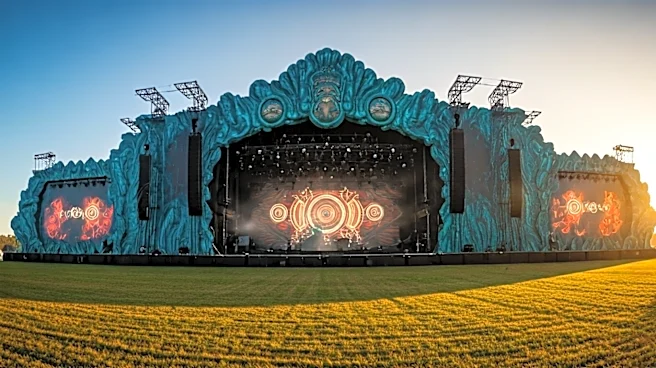
What's the difference between a stage and a landmark? Memorability. The What Stage is a venue, but the Bonnaroo Arch is a landmark. The Ferris wheel is a landmark. These are the iconic, non-musical structures that anchor the festival grounds and become the default meeting spots and photo ops. A production designer’s job is to create new potential landmarks for 2026. This isn't just about scale; it's about identity. These pieces need to feel uniquely 'Bonnaroo.' They provide a sense of place and permanence in a temporary city. They're the 'meet me at the giant glowing mushroom' points that turn a confusingly large farm into a navigable, memorable village.
5. Engineer Serendipity
The best festival moments are often the ones you didn't plan. But that doesn't mean they weren't planned for. The designer's secret weapon is engineering opportunities for serendipity. This means creating small, hidden nooks with comfortable seating, placing a bizarre and delightful art piece on a less-traveled path, or designing a mysterious door that leads to a tiny disco with a single disco ball. These 'Easter eggs' reward exploration. They give attendees a story to tell—'You'll never believe what I found behind the smoothie stand!'—and foster a sense of personal discovery. This transforms the festival from a passive viewing experience into an active adventure, making the world feel deep and full of secrets waiting to be uncovered.