



The Real Math of Your Wardrobe
Before we talk style, let’s talk numbers. The concept of cost-per-wear (CPW) is a simple formula: divide an item’s total price by the number of times you wear it. A $30 fast-fashion top you wear only three times has a CPW of $10. A $200 pair of quality
shoes you wear 100 times has a CPW of just $2. This simple calculation shifts the focus from the initial price tag to the long-term value an item brings to your closet. It’s the difference between something that feels cheap and something that is genuinely inexpensive to own over its lifetime. Thinking in terms of CPW turns shopping from a game of finding the lowest price into a strategy for building a functional, valuable wardrobe.
The Trendy Combo: Tennis Skirts and Ballet Flats
The tennis skirt paired with a delicate ballet flat is undeniably a chic, of-the-moment look. It’s preppy, sporty, and feminine all at once. But this specific combination has its limits. The pairing often works best in fair weather and casual settings. Moreover, many trendy ballet flats, especially those made from satin or canvas, are not built for high-mileage wear and tear. They can be precious, staining easily and offering little support. While perfect for a specific aesthetic, relying solely on this combo means your trendy tennis skirt might only see the light of day on a handful of perfect occasions, keeping its cost-per-wear relatively high.
Enter the Wardrobe Workhorse: The Leather Flat
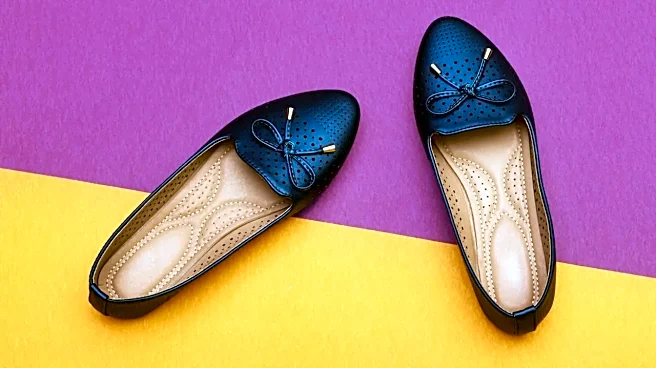
This is where the leather flat changes the entire equation. Unlike its more delicate fabric counterparts, a well-made leather flat is built for durability and versatility. Leather molds to your foot, withstands different weather conditions better, and can be easily cleaned and maintained. A classic leather flat transcends specific trends and seasons. It can be dressed up for a smart-casual office, paired with jeans for a weekend, or, most importantly, lend a more substantial and grounded feel to trendier pieces. While the upfront cost might be higher than a synthetic or canvas flat, its robust construction means it’s designed to be worn hundreds of times, not dozens.
Unlocking the Tennis Skirt’s Full Potential
Pairing that same tennis skirt with a leather flat suddenly unlocks a dozen new outfits. That skirt is no longer just for sunny weekend brunches. With a leather loafer-style flat, it can be paired with a blazer for a creative-casual work environment. With a simple leather ballet flat, it works with a knit sweater or a denim jacket for a polished fall look. The leather flat acts as a bridge, connecting the sporty, youthful vibe of the tennis skirt to more sophisticated or everyday contexts. This versatility is the key to lowering the skirt's cost-per-wear. Instead of being a one-trick pony, the skirt becomes a versatile staple you can reach for across different seasons and occasions, dramatically increasing its number of wears.
Doing the Final Calculation
Let’s bring it all together. Imagine you buy a $70 tennis skirt. If you only have delicate ballet flats to pair it with, you might wear it 10 times over a summer. Its cost-per-wear is $7. Now, consider you invest in a $150 pair of versatile leather flats. Because these shoes allow you to wear the tennis skirt in the spring and fall, to more places, and with more of your existing wardrobe, you end up wearing the skirt 35 times over its life. Suddenly, the skirt’s cost-per-wear drops to just $2. The leather flats—though a bigger initial purchase—have made the trendy skirt a far smarter and more economical piece in your collection by maximizing its use.