




The Shoulders Don't Lie
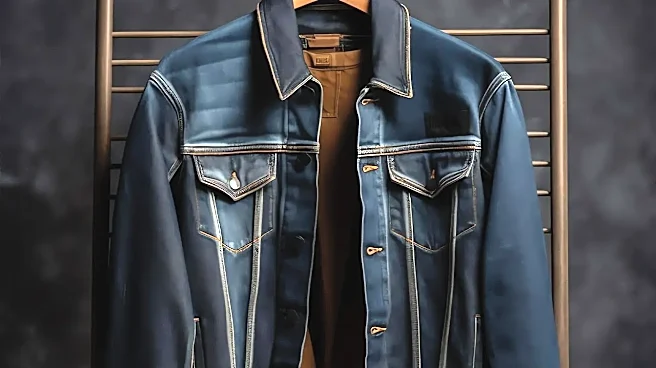
Consider the shoulders the foundation of a garment. If the seams droop off your shoulders or are too tight, it's almost always a deal-breaker. Altering the shoulder structure of a jacket or a structured dress is one of the most complex and expensive tailoring
jobs. It often requires deconstructing and rebuilding the entire top portion of the garment, including removing and re-setting the sleeves. This process can easily cost more than the item itself and often fails to look right, disrupting the piece's original balance and proportions. Unless you're dealing with a priceless heirloom, if the shoulders don't fit, walk away.
The Fabric Fights Back
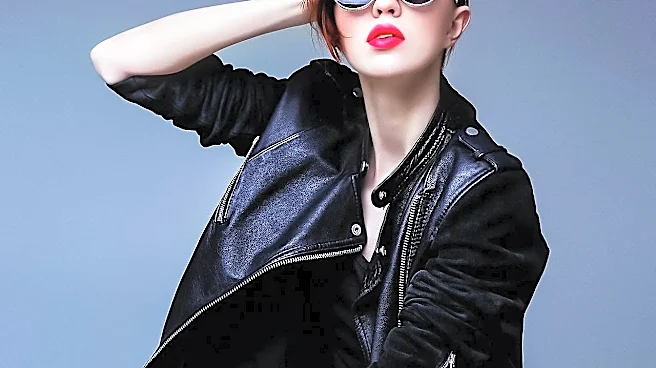
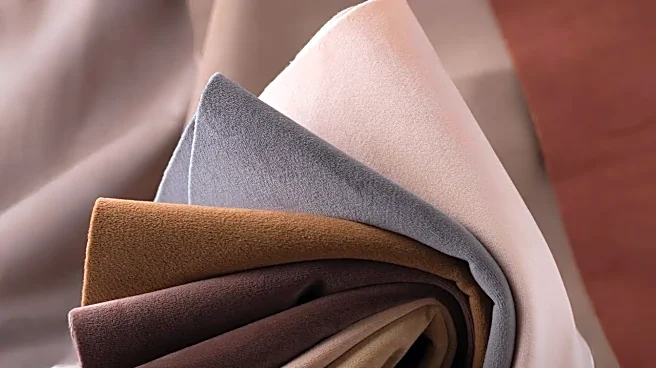
Not all fabrics are created equal when it comes to alterations. Materials like leather, suede, velvet, and beaded or sequined fabrics are notoriously difficult to work with. Leather and silk, for instance, 'scar'—meaning every needle hole is permanent. If a seam has to be let out, the original stitch marks will remain visible, creating a tell-tale shadow of the previous fit. Delicate silks and chiffons can easily pucker or pull, and a tailor needs specialized fine needles and techniques to handle them properly. While not impossible to alter, the risk of a botched job is high, and the cost will reflect the expertise required.
It's More Than Two Sizes Off
There's a common rule among tailors: don't try to alter a garment that is more than two sizes too big or too small. A simple waist adjustment is one thing, but completely resizing a piece is another. When a garment is drastically downsized, key features like pockets, lapels, and pattern placements can become comically distorted and out of proportion. Similarly, you can't add fabric that isn't there. If a piece is too tight across the back or bust, it can only be let out if there is enough seam allowance—the hidden fabric inside the seam—to work with. Many fast-fashion items have very little seam allowance, making them impossible to let out.
The Pattern or Print is Intricate
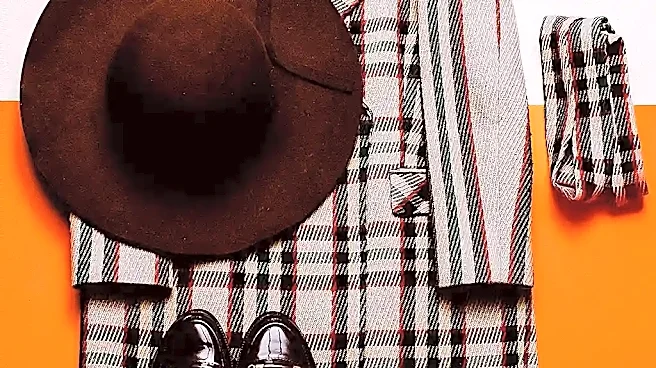
A garment with a complex pattern—like bold stripes, plaids, or a large-scale floral—presents a unique challenge. A key sign of a well-made garment is that the patterns match up perfectly at the seams. When you alter such a piece, especially by taking it in at the side seams or back, you risk throwing that alignment completely off. A mismatched pattern is a dead giveaway of a bad alteration and can make an expensive piece look cheap and sloppy. Unless the alteration is a simple hemming, significantly changing the structure of a patterned garment is a gamble.
It's a Designer's Vision
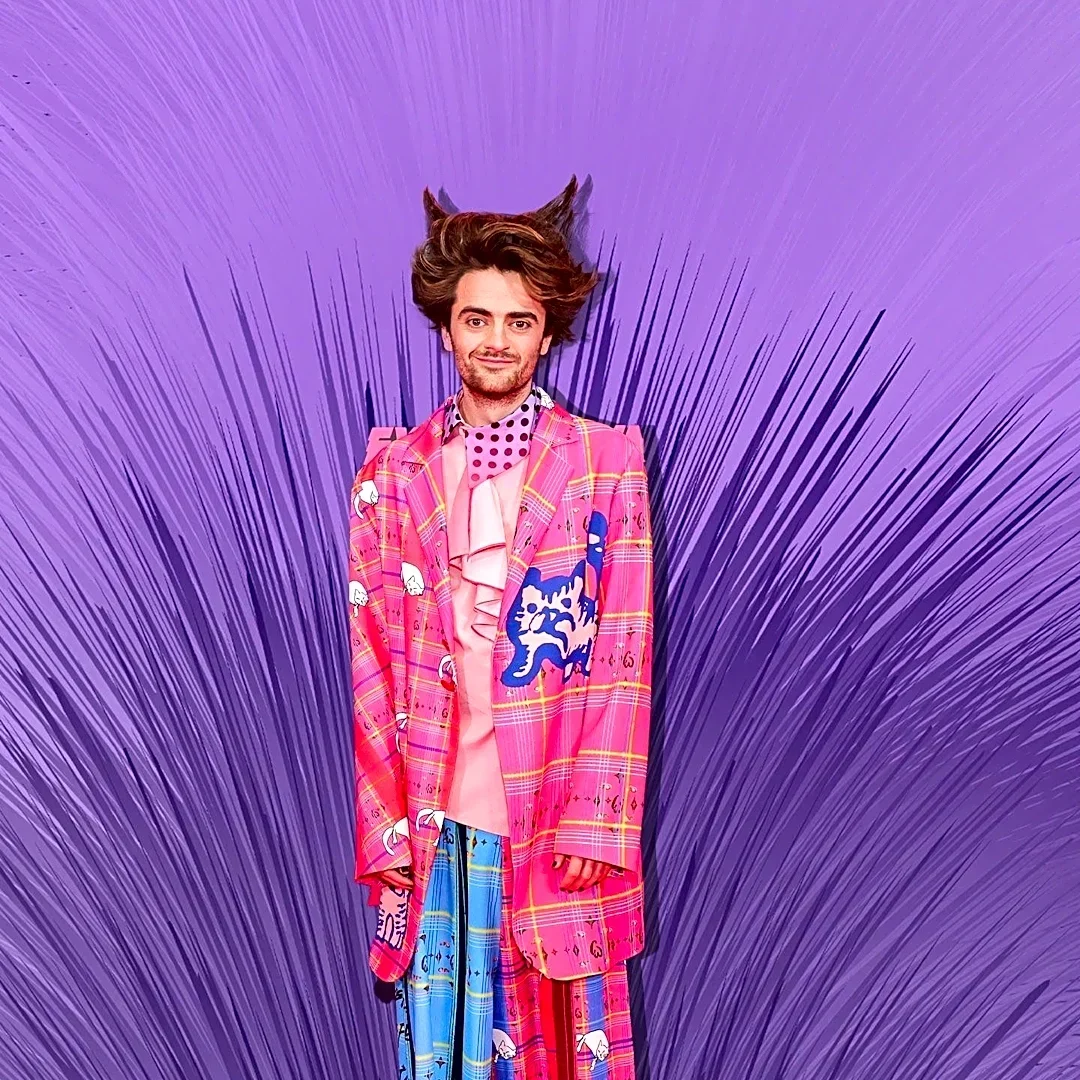
High-end designer pieces and avant-garde garments are often created with a specific silhouette and structural integrity in mind. The designer's intent is baked into the seams, the drape, and the unique construction. Attempting to 'normalize' the fit of such a piece—like trying to dramatically taper a wide-leg pant or add darts to a purposefully boxy jacket—can destroy its design integrity. These alterations can compromise the balance and artistry that made the garment special in the first place. For these items, it's better to embrace the intended fit or find a different piece that naturally suits your shape.
The Garment's Quality is Low
Before spending money on alterations, honestly assess the garment's quality. Is it made from thin, flimsy fabric? Are the seams already showing stress? Inexpensive, poorly constructed 'fast fashion' items may not be worth the investment. The fabric may not hold up to the tailoring process, and you could end up paying more for the alteration than the garment itself is worth. A good tailor can work wonders, but they can't make a low-quality piece durable. It's often smarter to save your alteration budget for well-made items that will last for years to come.