




The Power of the Monoculture Moment
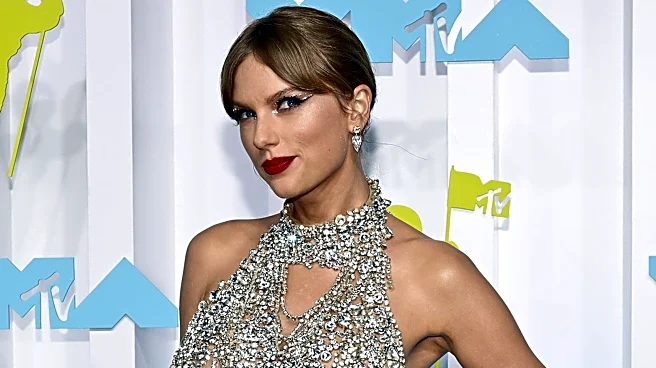
A music video launch, no matter how anticipated, is a decentralized event. It drops on YouTube or Apple Music, where fans watch it on their own time. A VMA performance, however, is a shared, real-time spectacle. For a few minutes, an artist commands the undivided
attention of millions, creating a communal experience that dominates social media and morning-after conversations. This is the modern equivalent of the broadcast-era monoculture, where a single event can cut through the noise. Think of Beyoncé’s commanding 2016 medley for “Lemonade” or Lady Gaga’s theatrical, bloody rendition of “Paparazzi” in 2009. These weren't just song promotions; they were cultural events that forced everyone to pay attention at the same time, something a solo video launch struggles to replicate.
Authenticity Through Rawness and Risk
A music video is a controlled environment, polished to perfection. A live performance is inherently unpredictable. That element of risk is precisely its power. Whether it's Madonna rolling on the floor in a wedding dress at the very first VMAs in 1984 or Nirvana defiantly teasing the opening chords of an unapproved song in 1992, these moments showcase an artist's raw, unedited nerve. Britney Spears’ 2001 performance with a live python wasn't just about the spectacle; it was about the palpable tension of something that could go wrong. This rawness creates a connection and a sense of authenticity that a flawless, pre-recorded video can't buy. It’s the difference between a perfect photograph and a live, breathtaking stunt.
The Ultimate Narrative Reset Button
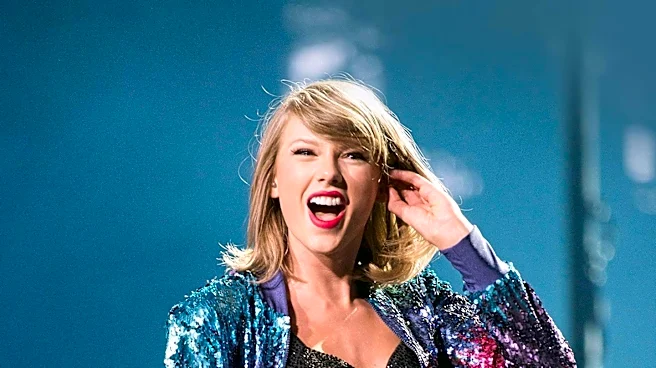
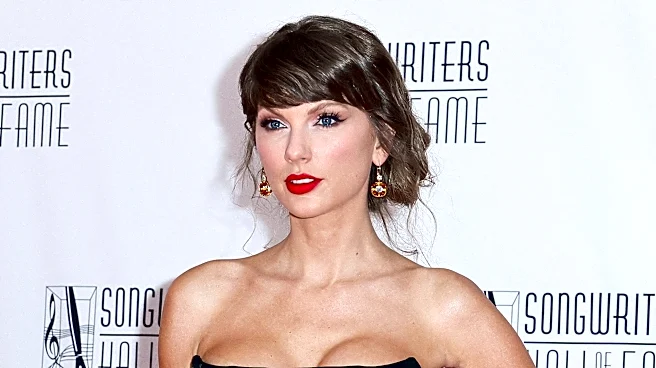
An artist can use the VMA stage to change their entire story. It’s a powerful tool for reinvention that a simple video cannot match. Britney’s 2000 performance, transitioning from a cover of “(I Can't Get No) Satisfaction” into “Oops!... I Did It Again” in a sparkling nude outfit, was a deliberate declaration that she was shedding her teen-pop image. More dramatically, after Kanye West’s infamous interruption in 2009, Taylor Swift returned to perform “You Belong With Me” moments later, turning a narrative of victimhood into one of professional resilience. The VMA stage provides a high-stakes, high-visibility platform to debut a new era, answer critics without saying a word, or reclaim a public identity in front of the entire industry.
Spectacle as a Standalone Art Form
While music videos are the VMA's namesake, the performances themselves have become a distinct art form. They are exercises in pure spectacle, engineered for maximum impact. The production itself is a massive undertaking, often involving multiple stages, complex camera systems, and weeks of load-in for just a few minutes of television. Michael Jackson’s 15-minute medley in 1995, complete with costume changes and a guest spot from Slash, set a new standard for what a live awards show performance could be. In 2016, Rihanna took over the show with four separate performances, each representing a different facet of her career. This isn't just about promoting a song; it's about creating a visual and sonic experience so memorable it stands on its own, generating clips and conversations that far outlast the original song's chart run.