







Embrace the 'Man of Twists and Turns'
The first thing a modern adaptation must do is resist the urge to make Odysseus an honest man. His defining Homeric epithet is 'polytropos'—the man of many twists and turns. He is, by his very nature, a master of deceit, a brilliant liar, and a cunning
manipulator. He lies to his enemies, to strangers, and even to his own long-suffering wife and father upon his return. In our era of straightforward, earnest superheroes, this quality might seem like a villain's trait. But for Odysseus, it’s a survival mechanism. A successful film wouldn’t treat his duplicity as a flaw to be overcome, but as his primary weapon. It would show the audience how his mind works, letting us in on the con, forcing us to admire his intellect while feeling uneasy about his methods. Instead of a hero who speaks truth to power, a blockbuster Odysseus would be a hero who wields falsehood with the precision of a surgeon, challenging our assumption that heroes must be paragons of virtue.
Show the Full, Brutal Cost of His 'Justice'
The climax of The Odyssey is not a clean, heroic battle; it’s a horrific massacre. After revealing himself, Odysseus, with help from his son and two loyal servants, slaughters over 100 suitors who have taken over his home. A modern blockbuster must portray this scene not as a sanitized action set piece, but as the brutal bloodbath it is. The suitors, despite their crimes, plead for mercy, offering to repay everything they've consumed. Odysseus refuses. He shoots the lead suitor through the throat as he sips wine, and the ensuing slaughter is described with gruesome imagery. But the true test of a film’s courage would be what happens next: Odysseus orders the dozen household maids who slept with the suitors (many, it’s implied, were coerced or raped) to clean up the gore before having them all hanged. It’s a chilling, deeply disturbing act. Showing this—not shying away from it—is crucial. It forces the audience to confront the terrifying nature of his vengeance and question if the man restoring order is any less monstrous than the chaos he vanquished.
Let His Pride Be a True Tragic Flaw
Modern action heroes often have their pride mistaken for confident swagger. For Odysseus, it’s a catastrophic, journey-derailing flaw. The most famous example is his encounter with the Cyclops, Polyphemus. After masterfully engineering an escape by blinding the giant, Odysseus has already won. But he can’t resist the urge to have the last word. As his ship sails away, he screams his real name and home, taunting the Cyclops out of pure hubris. This single act of arrogance allows Polyphemus to call down a specific curse from his father, the sea god Poseidon, ensuring the next ten years of Odysseus's life will be a living hell. A movie must frame this not as a cool one-liner but as a colossal mistake. The audience should feel the dread in his crew as their captain’s ego dooms them all. His pride isn't a charming quirk; it's the engine of his and his men's suffering.
Focus on the Sole Survivor
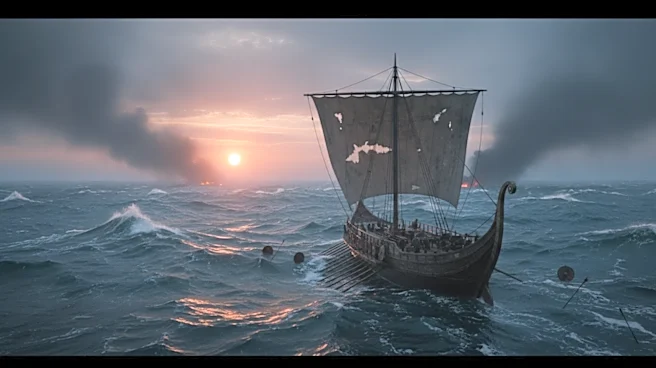
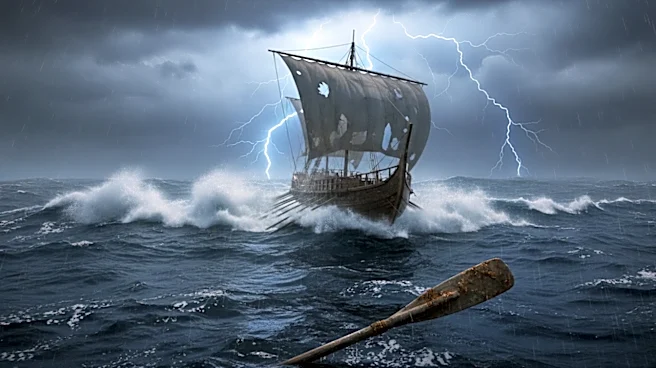
We celebrate Odysseus as the hero who made it home. But a truly modern telling must frame this as the story of a leader who got every single one of his men killed. Over the course of the epic, his entire crew perishes due to monster attacks, divine wrath, and their own recklessness, all under his command. He is a failed leader in the most fundamental sense. While he mourns them, the story is ultimately about his personal survival. A film could powerfully emphasize this by making the ghosts of his lost crew a palpable presence. His return to Ithaca shouldn't just be a triumphant reunion, but the arrival of a haunted man, one who carries the weight of hundreds of deaths. This reframes his ultimate success as a profound tragedy, adding a layer of melancholy and responsibility that would resonate deeply with a contemporary audience that understands the costs of failed leadership.