



The Real Mistake: Ignoring Texture
The single biggest error that drains the life from a bold, monochromatic outfit on camera isn't the color itself, but the fabric it's made from. Specifically, it's the choice of a smooth, flat, texture-less material. When hit with the direct, often harsh
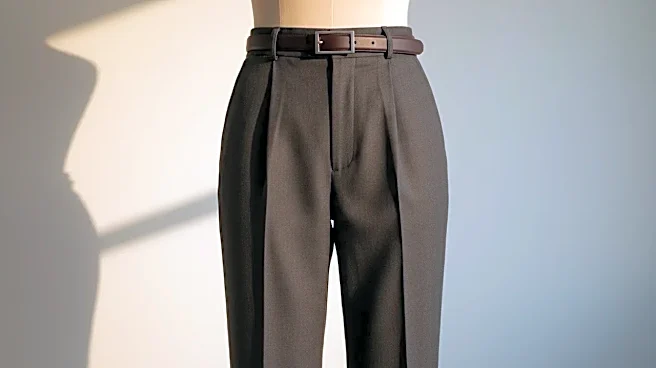
light of a camera flash, these surfaces reflect light too evenly. This uniformity erases the subtle shadows and highlights that our eyes use to perceive shape, depth, and dimension. The result is that a beautifully structured garment can appear like a flat block of color in a photograph, losing all its expensive-looking nuance and form. A photographer's flash can be unforgiving; it can flatten a three-dimensional object into a two-dimensional image with brutal efficiency. Without any textural details to catch the light in varied ways, the camera simply doesn't see the garment the way you do in person.
How Light Interacts With Fabric
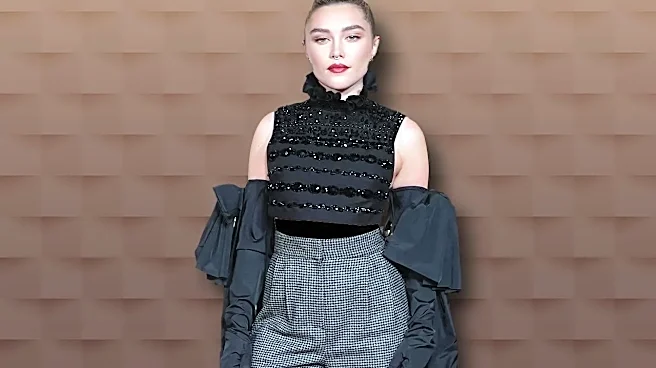
To understand why this happens, think of light as a collaborator. On a textured surface—like velvet, tweed, sequins, or even a ribbed knit—light has thousands of tiny, varied planes to bounce off. Some areas will catch the light and create bright spots, while the crevices will create micro-shadows. This interplay is what gives the fabric life, dimension, and a sense of richness on camera. Conversely, a flat matte jersey or a basic, non-reflective cotton offers a uniform surface. When a flash hits it, the light bounces back evenly, essentially bleaching out the very shadows that define its shape. Shiny, glossy fabrics like some satins or silks can be even more problematic; they can create large, distracting hotspots or glare, making the garment look cheap and drawing attention away from the wearer. The key is finding a material that plays with light, rather much than just reflecting it back as a single, flat sheet.
The Solution: Prioritize Tactile Dimension
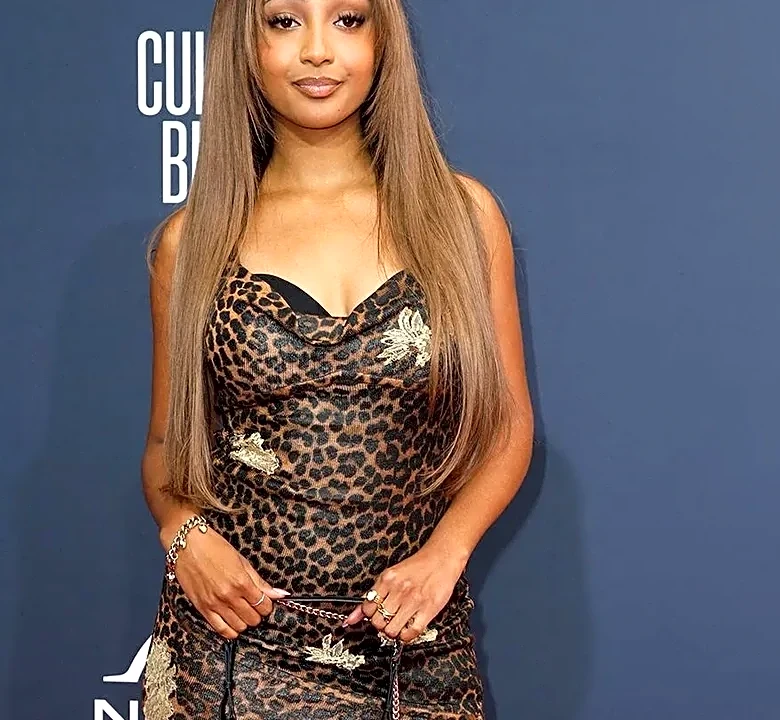
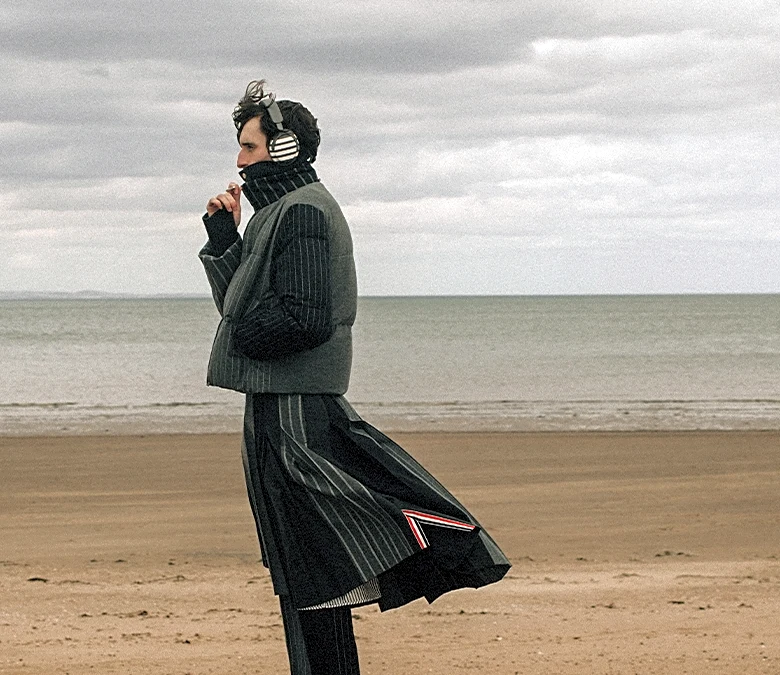
The next time you opt for a powerful, single-color statement, make fabric your primary consideration. Instead of a simple cotton dress, consider one with eyelet embroidery. Instead of a flat wool coat, look for one in a rich bouclé or a sharply defined herringbone. A bold red dress in crushed velvet or covered in sequins will hold its own under flash photography in a way a plain red jersey version never could. These fabrics have built-in dimension. They create their own light and shadow, ensuring the garment's structure and your silhouette are beautifully defined, not erased. Think of it as insurance for your outfit; the texture guarantees that the look's integrity will survive the translation from real life to a photograph. Even subtle textures, like a crepe or a heavy linen, provide enough surface variation to make a significant difference.
From Red Carpet to Real Life
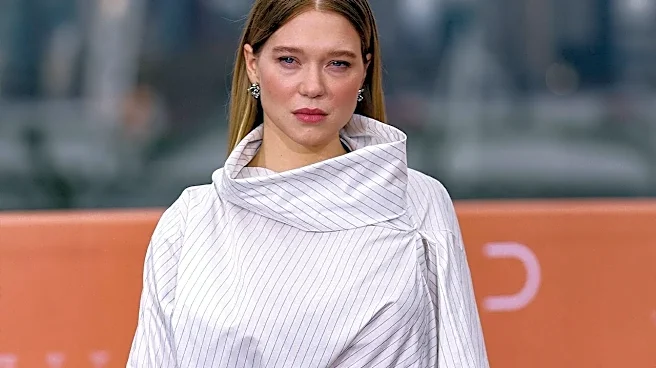
While this principle is most obvious on the red carpet, where flash photography is relentless, it applies to any situation where you might be photographed. This includes weddings, parties, corporate events, or even just a night out where friends will be snapping pictures. If you're wearing a vibrant, solid color and you know you'll be on camera, give your look a fighting chance by choosing a piece with tactile interest. You don't need to be draped in sequins from head to toe. A structured blazer in a coarse linen, a sweater with a chunky cable knit, or a skirt with intricate pleating will all accomplish the same goal. By focusing on how a fabric feels to the touch, you can almost guarantee it will look fantastic to the eye—and to the camera lens.