



The Old Guard: Polish and Prestige
For years, the gold standard in podcasting was set by shows that felt like they belonged on public radio. Think of the meteoric rise of "Serial" in 2014, which turned a true-crime investigation into a global cultural event. This era was defined by prestige
audio—shows with cinematic sound design, meticulously scripted narration, and a journalistic or storytelling rigor that commanded respect. Podcasts from studios like Gimlet Media and networks like NPR were the darlings of award circuits, celebrated for their high production values and narrative depth. The ideal was to create an immersive, theater-of-the-mind experience that transported the listener. Quality was synonymous with polish, and the host was often a trusted, authoritative guide through a complex story.
The New Guard: Authenticity Over Production
Enter the new school, championed by Gen Z and younger millennial listeners. For this cohort, the most valuable currency isn't polish; it's authenticity. The new 'award-worthy' sound is often more akin to a FaceTime call with a trusted friend than a produced radio documentary. This shift is evident in genre preferences, with comedy and pop culture-focused shows reigning supreme among younger listeners, while older generations still gravitate toward news and politics. The aesthetic is raw, conversational, and personality-driven. Many of today's most popular shows are 'chat-casts,' where the primary appeal is the unfiltered rapport between hosts. This format fosters a powerful sense of connection, making listeners feel like part of an inside joke or a private conversation. The rise of video has also played a part, with platforms like Spotify and YouTube becoming dominant, turning podcasts into visual 'hangout' sessions.
Why the Shift Is Happening
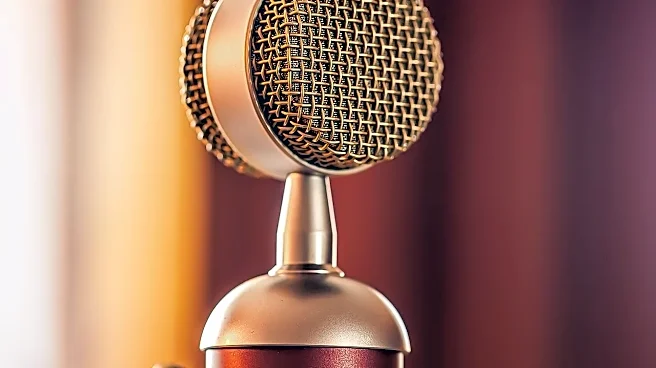
Several factors are driving this evolution. First, the barrier to entry has plummeted. Professional-grade audio no longer requires a studio, just a good microphone and a laptop, democratizing who gets to have a voice. Second, the rise of the creator economy and platforms like TikTok has conditioned a generation to value direct, seemingly unmediated connection with personalities. Younger audiences are drawn to hosts they find relatable and trustworthy. This has led to a boom in influencer-led podcasts, where the host's existing social media following provides a built-in audience eager for more personal content. Research shows that younger listeners use podcasts to explore different facets of their own personalities and even to get answers to difficult questions before talking to friends and family. It’s a move from passive consumption to active, parasocial engagement.
Redefining 'Worthy' in a Crowded Field
This generational tug-of-war is forcing the industry to reconsider what 'quality' means. Podcast awards, once dominated by narrative journalism, are increasingly making room for these new formats. While some high-profile awards have been criticized for favoring established celebrity-hosted shows, others are creating more specific categories that recognize excellence in different styles, from interview shows to fiction and comedy. An award-worthy podcast in 2026 isn't just about having a great story; it can also be about fostering a vibrant community, offering a unique perspective, or simply being the most consistently entertaining voice in a listener's week. The judges and voters are changing, too, reflecting a broader and more diverse listener base that no longer subscribes to a single definition of prestige.