


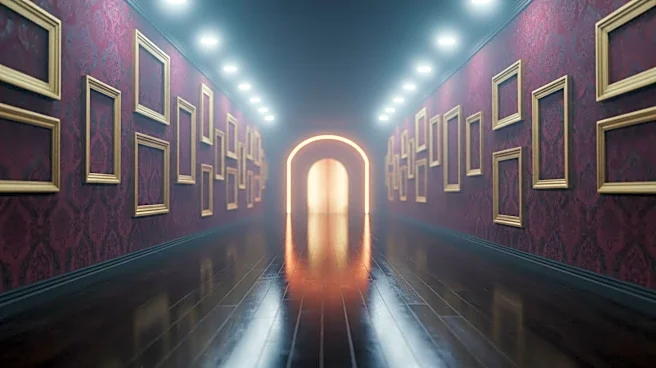

Show, Don't Tell, with Chainsaws
Environmental storytelling is a simple, yet profoundly effective, concept: using the physical space to tell a story. Instead of a text crawl, a narrator, or a tedious pre-show video explaining a haunted house’s backstory, the story is embedded in the set
itself. Think of a video game like BioShock, where the city of Rapture tells its own tragic tale through graffiti, abandoned objects, and the very architecture of its decaying halls. Halloween Horror Nights (HHN) applies this same principle, but with a live, captive audience. It trusts you to piece together the narrative from visual and auditory cues while a creature is breathing down your neck. An exposition dump—a long-winded explanation—kills momentum and breaks immersion. HHN, at its best, understands that the stained, overturned operating table tells you more about the depraved doctor than a character biography ever could.
A Masterclass in Mood
The creative teams at Universal are masters of this craft, orchestrating every detail to contribute to a cohesive narrative feel. In a house themed to a Spanish manor where artists lose their minds, the story isn't told through a guide; it's conveyed through the increasingly frantic and grotesque artwork on the walls. You see the progression of a sane mind descending into madness, frame by frame, room by room. It’s in the details: the half-eaten meal on a dusty table, the specific type of music fading in and out, or even the smells pumped into a room. Is it damp earth? Antiseptic? Rotting sweets? Each element is a piece of the puzzle. This approach doesn't just build a world; it makes the guest an active participant in uncovering the story, turning a passive walkthrough into a detective-like experience, albeit one where the clues are often covered in blood.
When Story Becomes a Chore
The alternative is far less effective. Some haunted attractions fall into the trap of front-loading their stories, forcing patrons to stand and absorb lore before the experience even begins. This treats the story as a prerequisite, a piece of homework you must complete before the fun starts. It misunderstands the very nature of immersive horror. The goal is to feel, not to study. When you're in a conga line of terrified guests, the last thing you want to do is stop to read a lengthy placard. That forced pause shatters the carefully built tension. It pulls you out of the world and reminds you that you're just in a theme park. HHN’s success stems from its ability to weave the narrative into the action, ensuring the story enhances the scares rather than competing with them.
The Blueprint for Modern Horror
This reliance on environmental storytelling isn’t just a clever design choice; it’s a reflection of how modern audiences consume entertainment. Raised on interactive and visually dense media, today’s horror fans are sophisticated interpreters of visual information. We don’t need to be spoon-fed. The thrill comes from connecting the dots, from the 'aha!' moment when you realize the creepy dolls in the first room are connected to the giant, vengeful porcelain figure in the finale. By respecting the audience's intelligence, HHN creates a richer, more memorable, and infinitely more terrifying experience. The designers give you the setting, the props, and the atmosphere, letting your own imagination do the heavy lifting—and what your mind can conjure in the dark is always scarier than what any script can spell out.