




An Invasion of Sacred Space
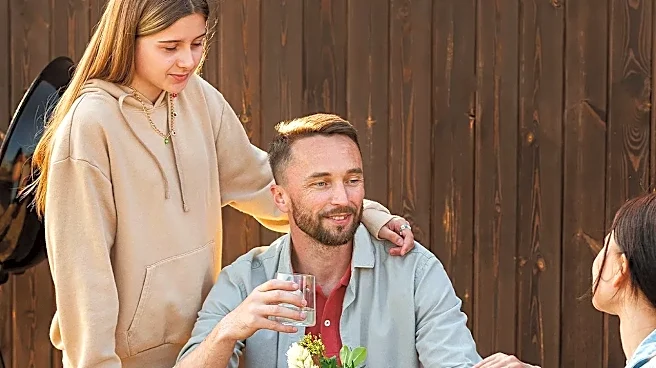
The home is a sanctuary, and the holiday home is practically a fortress of idealized comfort and tradition. The overstaying guest, whether they are an uninvited stranger or a relative who missed the memo on departure times, represents a fundamental breach.
They aren't just taking up space on the couch; they are occupying a psychological space that is meant to be safe and controlled. In films, this character’s lingering presence slowly erodes the host's sense of ownership and peace. Every closed door feels temporary and every polite conversation is a countdown to the next awkward encounter. This violation of boundaries is the first layer of tension, turning a cozy refuge into a pressure cooker where the hosts are no longer in control of their own environment.
The Unraveling of Social Masks
Holidays, especially Thanksgiving, are a performance. We put on our 'company's here' faces, engage in polite small talk, and carefully navigate conversational minefields. The guest who won't go home disrupts this performance by extending its runtime beyond anyone's endurance. In Jodie Foster’s 'Home for the Holidays,' the entire family dynamic is a powder keg of neuroses and old rivalries held together by the thinnest veneer of holiday cheer. The extended presence of any guest, let alone a disruptive one, forces these social masks to slip. Patience wears thin, pleasantries are exhausted, and years of buried resentments begin to surface. The unwanted guest becomes a catalyst, their continuous presence ensuring that the family can no longer avoid the uncomfortable truths they've successfully ignored the other 364 days of the year.
An Agent of Truth and Chaos
Often, the guest who won't leave is more than just an annoyance; they are a narrative device designed to force change. The ultimate example is Del Griffith (John Candy) in 'Plaines, Trains and Automobiles.' To the uptight Neal Page (Steve Martin), Del is an oblivious, talkative, and endlessly frustrating travel companion who latches on and won't let go. But Del is also what literary analysts call a 'trickster'—a character who introduces chaos to test the protagonist. His messy, unpredictable nature directly challenges Neal's rigid control, forcing him to confront his own cynicism and impatience. By the end, Neal realizes Del's intrusion, as maddening as it was, led him to become a more compassionate person. This character archetype doesn't just create tension; they serve a deeper purpose, holding up a mirror to the main characters and forcing the emotional growth that is central to the story.
Reflecting Our Own Holiday Fears
Ultimately, the reason this trope is so effective is because it taps into our own real-world anxieties about the holidays. Many people dread the forced intimacy and potential for conflict that comes with family gatherings. Movies like 'The Humans' take this to a terrifying extreme, using the claustrophobia of a cramped apartment on Thanksgiving to unravel a family plagued by resentment, failure, and unspoken fears. The family members are, in a sense, all unwanted guests in each other's emotional space. These films resonate because they amplify a universal feeling: the tension between the desire for connection and the deep-seated fear of being trapped with the people who know how to push our buttons best. We watch with a mix of horror and recognition, because we've all felt a version of that desire for a guest—or a conversation—to finally come to an end.