
Myth: 'Tailored' Just Means Tight
One of the biggest misconceptions is that "tailored" is a synonym for "slim-fit" or tight. In reality, tailoring is about structure, not restriction. A tailored short is designed to follow the body's natural contours using construction details like darts,
pleats, and well-placed seams. Unlike shorts that rely on stretch fabric to cling to the body, a tailored pair achieves its shape through precise cutting and sewing. The goal is a clean, polished silhouette that provides shape without constricting movement. A well-fitting pair should allow you to pinch about a half-inch to an inch of fabric at the thigh—any less, and they're too tight; any more, and you lose the structured effect. The waistband should sit comfortably without needing a belt to hold it up.
Myth: They Are Only for Formal Occasions
The word "tailored" often conjures images of suits and formalwear, leading many to believe these shorts are exclusively for dressy events. While they can be part of a formal ensemble, like a shorts suit, their versatility is their true strength. Tailored shorts bridge the gap between casual and formal, making them appropriate for a wide range of settings. They can be dressed down with a simple t-shirt and sneakers for a relaxed yet put-together weekend look or paired with a casual button-down shirt for a smart-casual event. The key is how you style them; the same pair of navy tailored shorts can work for a casual brunch or, with the addition of a blazer, an office-appropriate outfit.
Myth: They're the Same as Chino or Dress Shorts
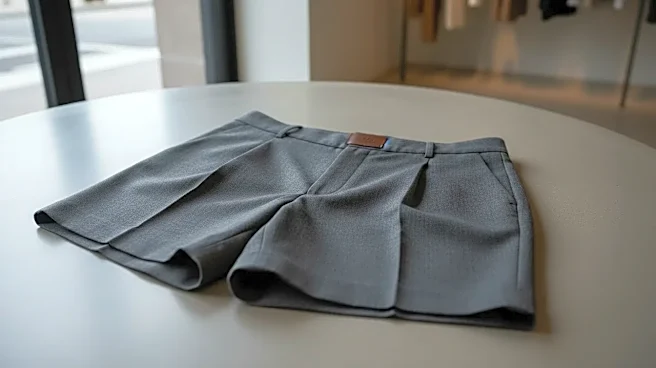
While there's overlap, not all chino or dress shorts are truly tailored. Chinos are defined by their lightweight cotton twill fabric, but their fit can range from baggy to slim. A chino short only becomes a dress short when it has a slim, tapered cut and structured fabric. The term "tailored" refers specifically to the construction and fit. Tailored shorts are distinguished by details that create a crisp silhouette, such as a flat-front design, a defined waistband, and sometimes a pressed crease. The focus is on creating a garment that emulates the structure of tailored trousers, just in a shorter length.
Myth: The Fabric Doesn't Really Matter
Fabric is fundamental to a tailored short's success. Because they rely on structure rather than stretch, the material needs to have enough body to hold its shape. Lightweight wools, cotton twill, gabardine, and substantial linen blends are excellent choices. These materials provide a clean drape and prevent the shorts from looking limp or overly casual. Thin, flimsy fabrics like jersey or rayon will collapse, undermining the entire tailored effect. Conversely, fabrics that are too stiff can look boxy and feel uncomfortable. The right material strikes a balance, offering structure while still allowing for comfortable movement.
Myth: The Ideal Length Is a Matter of Opinion
While personal preference plays a role, the length of tailored shorts significantly impacts their polish and flattering effect. For a modern, sharp look, the hem should typically end a few inches above the knee. A length that hits at the kneecap or below can visually shorten the legs and disrupt the silhouette. For most people, an inseam of around 7 to 9 inches strikes the right balance, offering coverage while maintaining a clean, elongated line. The most flattering length often hits at the slimmest part of your thigh. Anything too long ventures into baggy territory, while anything too short can read as overly casual, defeating the purpose of a tailored style.