


The Rule of Proportion
The single biggest factor separating a knockout look from a comedic error is proportion. A statement hat works in harmony with your silhouette and your physical frame. Think of your outfit as a visual pyramid; if the hat is the peak, the rest of your look needs
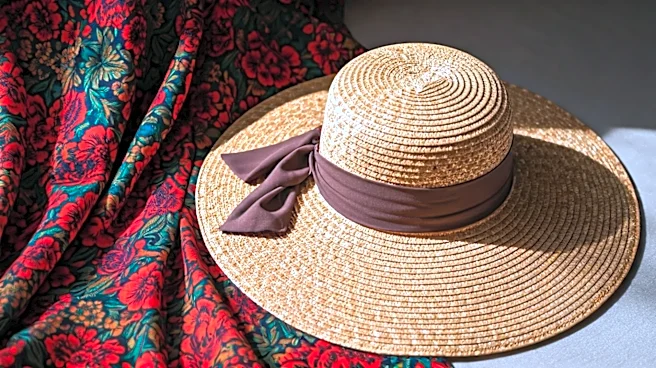
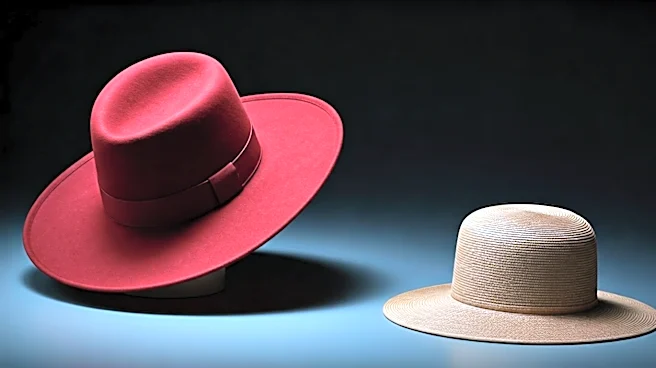
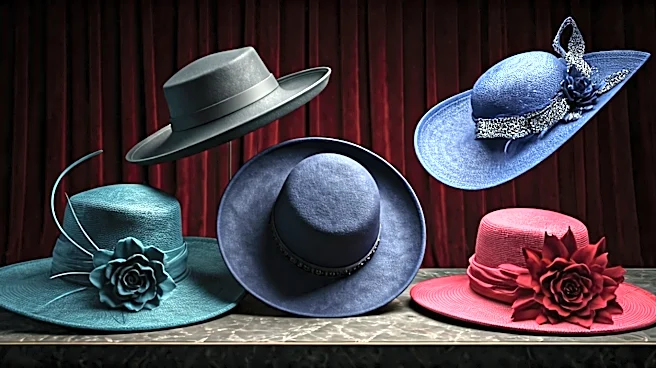
to provide a stable base. For instance, a wide-brimmed sun hat looks magnificent with a flowing maxi dress or a simple swimsuit because the overall shape is balanced. It feels intentional and elegant. An overpowering hat, on the other hand, ignores this rule completely. It might be a hat so enormous it dwarfs a petite frame, making the wearer seem to shrink. Or it could be a tall, structured hat paired with an equally voluminous, busy outfit, creating a chaotic silhouette with no focal point. The hat isn't just an accessory at this point; it’s a distraction that throws the entire look off-kilter. The goal is to complement your form, not fight it.
Context, Occasion, and Code
A statement hat understands the assignment. It fits the time, place, and social setting. A beautifully sculpted fascinator is a work of art at a formal daytime wedding or a high-stakes horse race. A cozy, brightly colored beanie makes a perfect statement during a winter stroll through the city. In these scenarios, the hat elevates the moment and signals that you’re thoughtfully dressed for the occasion. Where it goes wrong is when context is ignored. That same elaborate fascinator worn to a casual backyard barbecue doesn't read as chic; it reads as out of touch. A massive, runway-ready fur hat in a crowded, overheated cocktail bar is impractical and overwhelming. An overpowering hat is often just the right hat in the wrong place. It feels disconnected from the environment, suggesting the wearer is dressing for an imaginary event rather than the one they’re actually attending. The best style always considers the setting.
The Confidence Factor: Who's Wearing Whom?
This might be the most crucial, if intangible, element. A statement hat is worn with ease and confidence. It feels like a natural extension of your personal style. When you wear it, you stand a little taller, you feel put-together, and you aren't constantly fidgeting with it. The hat is serving you, adding a final, perfect flourish to your look. People will notice the hat, but they’ll say, “*You* look amazing,” because the piece feels authentic to you. An overpowering hat is one that is clearly wearing *you*. This is evident in body language: the self-conscious posture, the nervous adjustments, the look of someone playing dress-up in an adult’s clothes. If you feel silly, you probably look silly. The hat becomes a costume piece that overshadows your personality entirely. Instead of seeing you, people only see the hat. It screams, “I was told this was fashion,” rather than, “This is my style.” True statements are made with conviction.
Balancing the Rest of the Look
A statement hat is the star of the show, and it knows it. Therefore, the rest of the outfit should play a supporting role. If you’re wearing a dramatic, wide-brimmed hat in a vibrant color, let it shine by pairing it with a simple dress, a classic trench coat, or a clean, monochromatic ensemble. The hair and makeup should also be considered—often, a sleek ponytail or a simple bun is all that’s needed to keep the focus where it belongs. This creates a cohesive, intentional look. An overpowering hat, by contrast, is often part of an outfit where everything is competing for attention. A giant hat plus a loud print, plus chunky jewelry, plus bold makeup creates visual chaos. There’s simply too much going on. The eye doesn’t know where to land, and the overall effect is busy and overwhelming rather than stylish. A simple style mantra to remember: when one element is the hero, let everything else be its graceful backup singers.