



The Anti-Glamour Uniform
The 1990s dawned as a necessary hangover from the 1980s. Where the previous decade celebrated excess—big hair, shoulder pads, neon spandex—the '90s responded with a collective shrug. Into this cultural vacuum stepped Winona Ryder, not as a fashion plate,
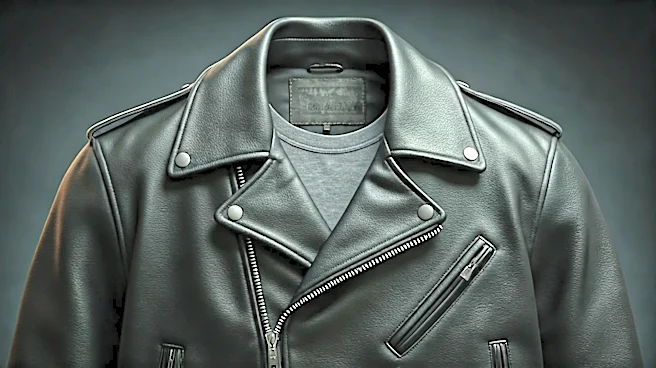
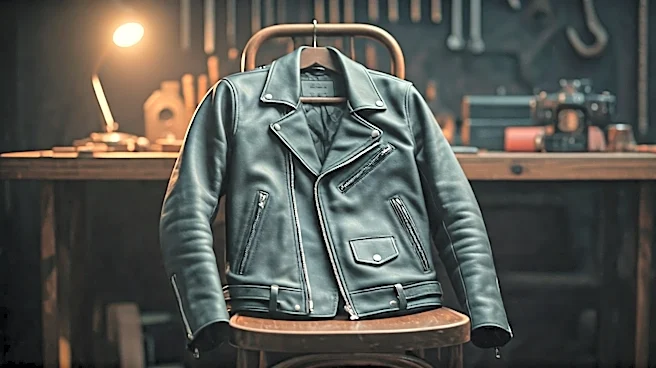
but as the embodiment of a new kind of cool. Her uniform was a study in deliberate nonchalance. It was built from a simple, repeatable wardrobe: a worn-in leather jacket, often draped over a delicate slip dress; chunky combat boots paired with a vintage band t-shirt; an oversized men’s blazer borrowed from her then-boyfriend, Johnny Depp. This wasn’t the polished, pre-packaged minimalism of a Calvin Klein ad. This was something grittier, more accessible, and deeply personal. It was the look of someone who read books, listened to The Replacements, and had more important things to think about than matching her accessories. It was fashion as a byproduct of a rich inner life, not its main focus.
Life Imitating Art Imitating Life
What made Ryder's style so potent was the seamless blur between her on-screen and off-screen personas. As Lelaina Pierce in 1994’s *Reality Bites*, her wardrobe of floral baby-doll dresses, denim vests, and perfectly messy hair wasn't a costume; it felt like an extension of the Winona we saw on red carpets and in paparazzi photos. The film, a touchstone for Generation X, cemented her as the thinking person’s ingenue. Similarly, her Oscar-nominated role as Susanna Kaysen in *Girl, Interrupted* featured a simple, almost stark uniform of striped tees and jeans, reflecting a character stripped to her emotional core. This authenticity created a powerful feedback loop. We believed her characters because they dressed and acted like her, and we believed in her style because it was validated by the intelligent, complicated women she played. She wasn't an actress playing a part; she was the archetype, and the clothes were merely evidence.
The Ghost in the Modern Wardrobe
This is why her style ‘haunts’ downtown film fashion. It’s not a retro trend that cycles back every few years; it’s a foundational aesthetic for a specific character type: the smart, sensitive, slightly bruised young woman navigating the complexities of modern life. You see her ghost in the wardrobe of countless indie film heroines. Think of the brooding cool of Kristen Stewart in her post-*Twilight* roles, the effortless downtown style of Zoe Kravitz in *High Fidelity*, or the bookish anxiety of characters across the A24 cinematic universe. The DNA is unmistakable: simple silhouettes, a reliance on vintage or vintage-inspired pieces, and a general sense of being too preoccupied with existential dread to fuss over an outfit. The look communicates intelligence and vulnerability without a single line of dialogue. It’s a visual shorthand for 'main character energy' that Ryder helped write.
More Than Just Clothes
Ultimately, the endurance of Ryder's '90s minimalism isn't about the specific garments. We can all buy a leather jacket or a pair of Doc Martens. Its staying power comes from the attitude it represents. It’s a rejection of performative glamour in favor of something that feels more earned and authentic. In an era of fast-fashion hauls and influencer-driven trends, this quiet rebellion feels more relevant than ever. Her style communicated a sense of being an outsider by choice, of finding beauty in imperfection and strength in vulnerability. It wasn't about looking rich or famous; it was about looking interesting. That kind of cool can’t be bought. It’s an intellectual and emotional state of being, and the clothes are just the souvenir. This is the specter that lingers—the idea that the most stylish thing you can be is yourself, especially if you’re a little bit sad, a little bit smart, and completely over it.