








From Physical Force to Mental Edge
In their prime, great captains often lead by sheer force of will and athletic dominance. They are the first on the scoresheet, the ones who make the impossible play. But as time wears on, that model becomes unsustainable. The truly legendary captains pivot.
They transition from leading with their bodies to leading with their minds. Look at Tom Brady in his final years. He wasn't out-running defenders; he was out-thinking entire defenses before the snap. His leadership became less about jaw-dropping physical feats and more about surgical precision and preternatural calm under pressure. This shift requires a deep self-awareness and humility—an acceptance that the game must now be won in the film room and on the whiteboard as much as on the field. They weaponize their experience, having seen nearly every possible situation, and use that knowledge to put their teammates in the best position to succeed.
The Coach on the Field
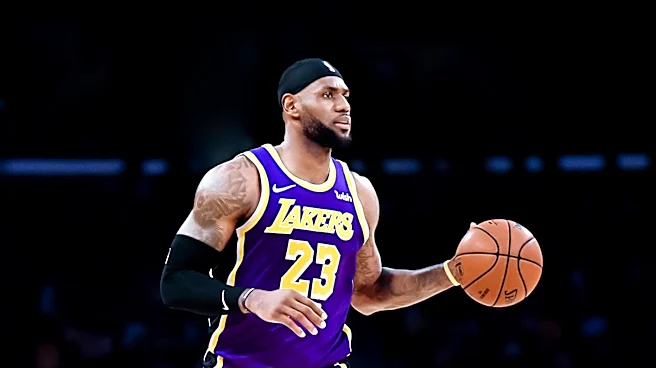
As their own explosive abilities wane, aging captains become de facto coaches, directing traffic and elevating the play of those around them. Chris Paul, nicknamed the "Point God," has epitomized this role for years. Even late in his career, his value wasn't just in his own statistics, but in his ability to orchestrate an offense, exploit mismatches, and mentor younger stars like Devin Booker. These captains possess an encyclopedic knowledge of the game. They see plays develop two steps ahead of everyone else and communicate constantly, ensuring teammates are in the right spots. LeBron James has long been praised for his basketball IQ, but as he aged, his on-court direction became even more pronounced, functioning as a coach who just happens to be in uniform. This isn't just yelling instructions; it's a sophisticated, real-time tactical adjustment that can be the difference between a broken play and an easy score.
The Locker Room's Thermostat
Perhaps the most crucial role for an aging captain is played away from the cameras. They become the thermostat of the locker room, setting the cultural temperature for the entire organization. Their work ethic becomes the standard. When a legend like Sidney Crosby shows up for optional skates or grinds through practices, it leaves younger players no choice but to follow suit. These veterans understand the unique personalities on the team and know how to connect with each one—when to put an arm around a struggling rookie and when to challenge a complacent star. They mediate disputes, absorb blame to protect younger teammates from media pressure, and build a culture of accountability. This interpersonal leadership is often what separates a team of talented individuals from a true championship contender.
The Blessing of Experience
Ultimately, the power of an aging captain lies in their perspective. They have weathered losing streaks, celebrated championships, and navigated every form of adversity. This accumulated wisdom is their final, greatest gift to their team. They provide a calming presence in moments of chaos, having been there before. They can model resilience, teaching younger players how to handle failure and maintain focus on long-term goals. This isn't a demotion or a gentle ride into the sunset. It is an evolution. The leadership transforms from being about individual athletic superiority to something more profound: a dedication to service, mentorship, and lifting the collective. Their final act is to ensure the team is ready to win long after they've hung up their cleats, skates, or sneakers.