




The Comedian No Network Wanted
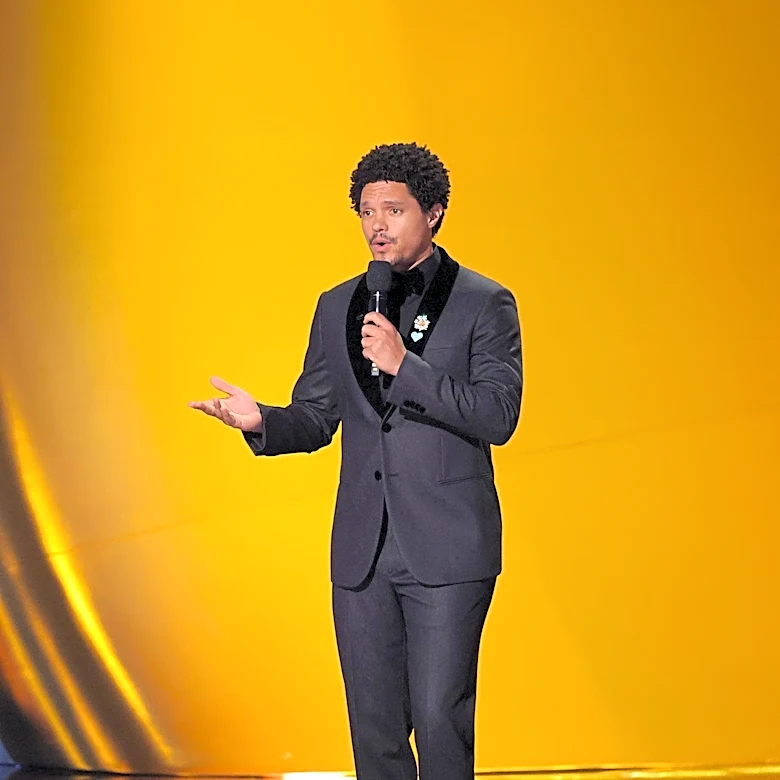
A decade ago, Andrew Schulz was a known quantity in New York comedy clubs and a familiar face on MTV's 'Guy Code,' but he was far from a household name. He was a talented comic hitting a wall familiar to many: the industry gatekeepers. He filmed a special
in 2017 at his own expense, but every major network and streaming service passed on it. They found his style too edgy, too niche, or simply not a fit. In an era where a Netflix or HBO deal was the undisputed kingmaker, Schulz was an outsider with a product nobody seemed to want. This rejection forced a moment of reflection and a critical decision: if the old roads to stardom were closed, he would have to build his own.
The 'Sketch' That Changed Everything
The 'hidden sketch' that defined Schulz's influence isn't a single, scripted bit. It’s the formula he perfected: treating his relentless, often-controversial crowd work as the product itself. Instead of hoarding his best material for a special, Schulz began filming every set, sometimes seven in a single weekend, hunting for one explosive, two-minute clip for YouTube. The strategy was to weaponize his sharpest, most improvisational moments—the interactions that were too raw and unpredictable for a traditional, polished hour. He realized that jokes take months to write and are too precious to give away, but crowd work was a renewable resource. This process became the true 'sketch': film the chaos, find the gold, and post it for free. This model turned his YouTube channel into a discovery engine, with each clip acting as a new gateway for potential fans.
Deconstructing the Viral Blueprint
Schulz didn't just post clips; he engineered them for the algorithm. He understood that while few people would commit to a stranger's hour-long special, millions would watch a two-minute takedown of an audience member if a friend sent it. He tailored his videos for each platform, famously using the 'Turn Your Phone' directive on Instagram to stop users from scrolling and lock their attention. His content became a masterclass in direct-to-fan marketing. By giving away the crowd work, he was essentially creating a free sample of his comedic style—unfiltered, aggressive, and interactive. He proved that his best marketing tool was his own humor, used not as a guarded secret but as a constant stream of bait to sell tickets to his live shows. Between 2018 and 2019 alone, he uploaded over 125 clips, growing his YouTube channel from 140,000 to over 840,000 subscribers.
The Ripple Effect on Stand-Up
The success of Schulz's model sent shockwaves through the comedy industry. He provided a viable alternative to the traditional path, proving a comedian could build a massive audience and sell out arenas without the blessing of a major network. Comedians like Matt Rife and Stavros Halkias have successfully followed a similar blueprint, using social media to turn viral crowd-work moments into stadium tours. This shift has fundamentally changed the power dynamic, moving it from executives to the creators themselves. It has also altered audience expectations; crowds now often come to shows hoping to become part of the interactive, viral moment. By making the audience a central part of the content, Schulz didn't just find a way to get noticed—he democratized comedy's star-making machinery for a new generation.