



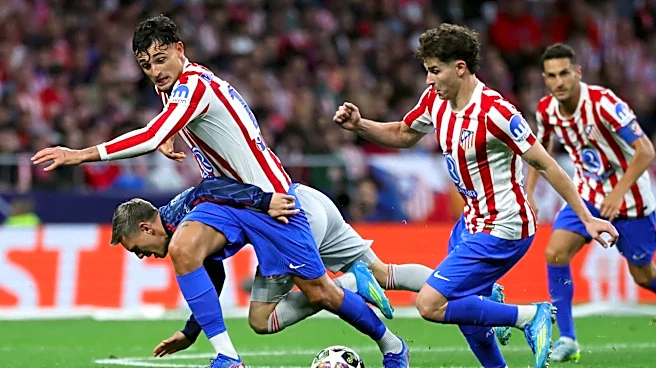


The Modern Pressing Obsession
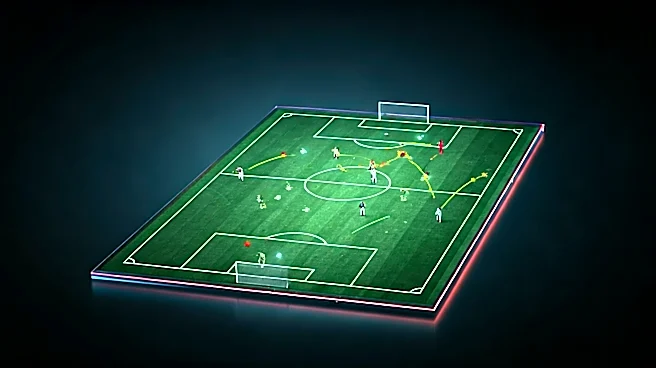
First, it helps to understand why high-pressing is so popular. The goal is to win the ball back as quickly and as high up the field as possible, ideally in the opponent's defensive third. When it works, it's devastating. It disrupts the other team's rhythm,
forces errors in dangerous areas, and can lead to immediate scoring opportunities against a disorganized defense. Coaches like Jürgen Klopp and Pep Guardiola have built empires on this front-foot, aggressive philosophy, making it the tactical gold standard for many. The core idea is simple: if you win the ball 30 yards from their goal instead of 80, you're much closer to scoring.
Energy Conservation Is King
The single biggest reason teams abandon a high press in a tournament is fatigue. A major international tournament crams a season's worth of high-stakes, high-intensity games into a single month. Pressing is physically exhausting, requiring repeated sprints and maximum effort from the entire team. Unlike a league season with week-long breaks, the recovery time between knockout matches is brutally short. A team that relentlessly presses in the group stage might find its players running on empty in the quarterfinals. Coaches must manage their squad's energy levels. Choosing to sit in a more compact, deeper defensive shape—often called a "low block"—is a deliberate strategy to conserve energy for the later rounds and for crucial moments in a match.
Playing the Tactical Percentages
High-pressing is a high-risk, high-reward strategy. By pushing players forward to pressure the ball, a team inevitably leaves vast open space behind its own defensive line. Against an average opponent, this might not be a problem. But against an elite team with world-class passers and fast forwards, it can be tactical suicide. One perfectly weighted long ball can bypass the entire press and lead to a clear goal-scoring chance. A low block, by contrast, is a low-risk approach. By keeping ten players behind the ball in a compact shape near their own goal, a team minimizes the space for attackers to run into, forcing them into less effective wide play or low-percentage long shots. In a knockout tournament, where a single mistake can send you home, many coaches prefer to minimize risk rather than maximize aggression.
It Depends on Your Opponent
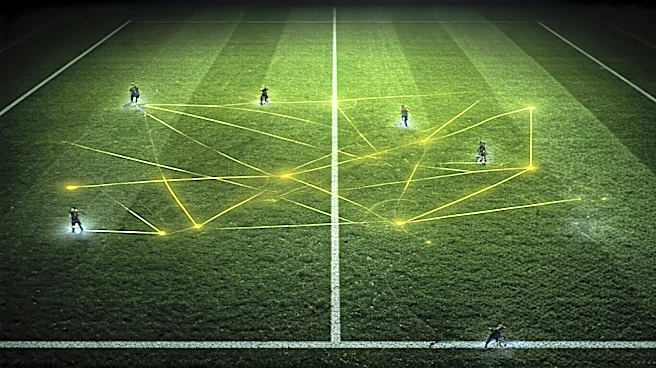
Good coaching is about adaptation, not dogmatism. A team might press aggressively against one opponent and sit deep against another. The choice often comes down to the opposition's strengths. Trying to high-press a team that is technically brilliant and built to pass through pressure can be a fool's errand. Instead of winning the ball, you simply get played around, pulled out of position, and exhausted. In these situations, it's more pragmatic to concede possession, retreat into a solid defensive block, and challenge the opponent to break you down. This shows respect for the opponent's quality and is a sign of tactical intelligence, not fear.
Weaponizing the Low Block
Sitting deep isn't just a defensive move; it's an offensive strategy. A low block is designed to absorb pressure and then strike on the counter-attack. By intentionally drawing the opposing team forward, a team using a low block creates space in other areas of the field—the very space their opponent has vacated by pushing up. When the defending team wins the ball back, they can launch quick, direct attacks into that space for their fastest players to exploit. Teams like Diego Simeone's Atlético Madrid and many of José Mourinho's title-winning sides have mastered this approach, frustrating possession-hungry teams and proving that you don't need the ball to control a game.