




From Naval Decks to Royal Courts
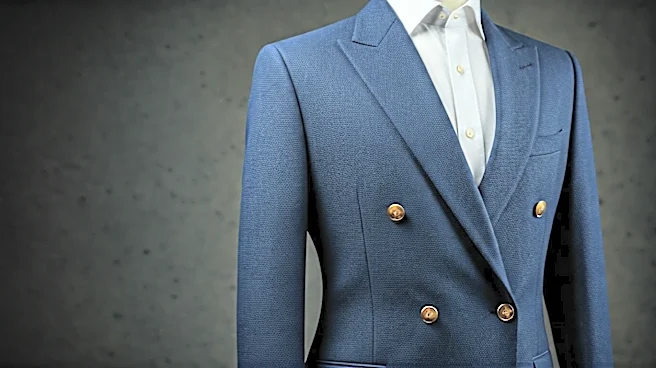
The double-breasted jacket’s story begins not on a runway, but on the windswept deck of a naval ship. Its ancestor is the Reefer jacket, or pea coat, designed for British naval officers in the 19th century. The overlapping front panels and double row
of buttons provided superior insulation against harsh sea winds. It was pure function. But its journey into fashion began when royalty took notice. Most notably, the Duke of Windsor, a 20th-century style icon, championed a softer, more elegant version for civilian life. By removing the military rigidity and tailoring it for a more relaxed posture, he transformed a piece of uniform into a statement of aristocratic ease. This initial leap established the jacket’s dual identity: practical and protective, yet also a marker of status and effortless grace.
The Golden Age of Hollywood Glamour
If the Duke of Windsor introduced the double-breasted suit, Hollywood made it a legend. During the 1930s and ‘40s, the “drape cut” silhouette—with its wide, padded shoulders, generous lapels, and nipped-in waist—became the unofficial uniform of leading men. Think of Humphrey Bogart in *Casablanca* or Cary Grant in nearly anything. The jacket’s V-shaped torso exaggerated a masculine physique, creating an image of heroic confidence. It was aspirational armor. Wearing one wasn't just about looking good; it was about projecting an aura of power, sophistication, and control in an era of economic uncertainty and global conflict. The jacket became synonymous with the idealized American man: strong, stylish, and unflappable.
The Power Broker's Uniform
After falling out of favor in the minimalist ‘60s and ‘70s, the double-breasted suit roared back to life in the 1980s, but with a different attitude. This was the era of Wall Street, “greed is good,” and the power suit. The silhouette became more aggressive: shoulders were heavily padded and extended, the waist was boxy, and the whole garment screamed ambition. It was the chosen uniform of bankers, lawyers, and corporate raiders, a sartorial bullhorn announcing one’s arrival. However, this association with ‘80s excess ultimately led to its downfall. By the 1990s, the rise of business casual and a more minimalist, grunge-inflected aesthetic made the power suit look like a comically dated relic. For a while, the double-breasted jacket was relegated to the back of the closet, a symbol of an era many were eager to forget.
The Modern, Deconstructed Comeback
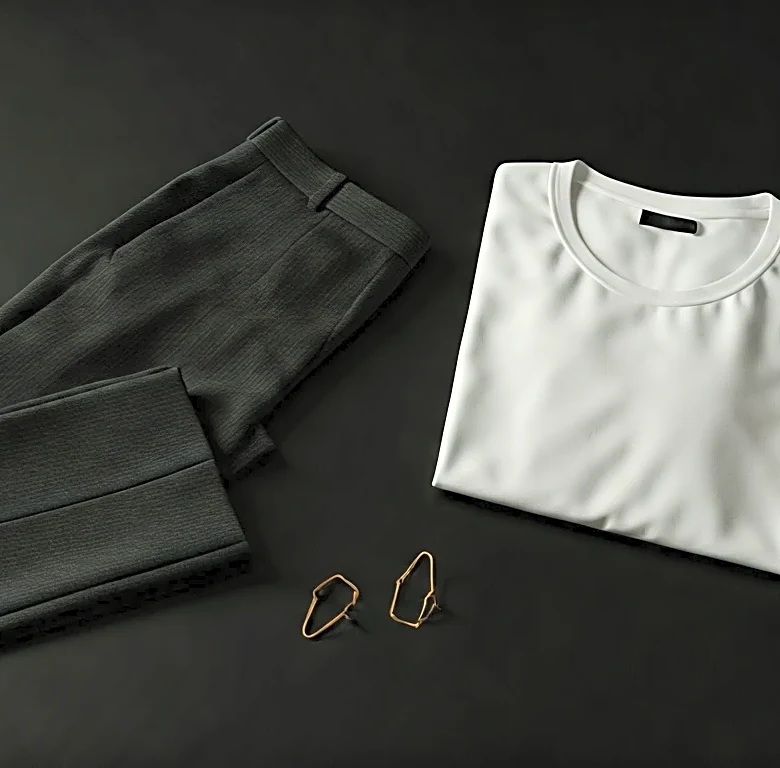
So why is it back? Because today’s designers have stripped it of its old baggage. The modern double-breasted jacket is a chameleon. The stiff construction and heavy shoulder pads are gone, replaced by soft, unstructured tailoring and lightweight fabrics like linen and cotton. It’s no longer just part of a suit. You’ll see it worn as a separate blazer over a simple t-shirt and jeans, or even with shorts. It’s been democratized. Italian brands, in particular, have perfected this new “sprezzatura” approach, making the DB jacket look nonchalantly cool rather than stuffy. By severing its ties to rigid formality, designers allowed it to become a versatile tool for personal expression. You can wear it to a wedding to look sharp, or to brunch to look stylishly relaxed. It adapts to the wearer, not the other way around.