


The Polished but Sterile Pageant
Let’s be honest about mainstream awards shows like the Grammys or the Oscars. They are polished, expensive, and predictable. They are designed for live, prime-time television, which means every second is calculated for maximum brand safety and broad appeal.
For hip-hop, this often means being treated like a guest in a house that was not built for you. Performances are often shortened medleys of the most radio-friendly hits, and the awards themselves can feel like a consolation prize after a more ‘prestigious’ category goes elsewhere. While there can be standout moments, rewatching an entire four-hour broadcast often feels like a chore. The magic is diluted by stiff presentations, awkward host banter, and a general feeling of corporate sterility. It's a pageant, not a party, and pageants are rarely fun the second time around.
A Celebration, Not a Competition
Now, let’s talk about VH1’s Hip Hop Honors. From its start in 2004, the show’s entire philosophy was different. It wasn't about crowning the year’s biggest commercial success; it was about paying tribute to the architects and game-changers who built the culture. The core format was celebratory, focusing on honoring legends like Run-DMC, Public Enemy, and Queen Latifah. This shifted the entire energy of the event. Instead of competing against each other, artists were there to give flowers to their heroes. This cooperative spirit created an atmosphere of genuine joy and mutual respect that is palpable even through a screen years later. It valued historical significance over fleeting popularity, which is the key to creating timeless content.
Performances That Became Historical Documents
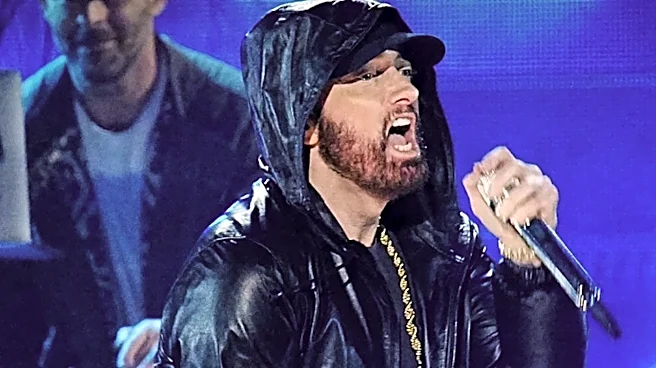
The true test of rewatchability lies in the performances. A standard awards show gives you an artist performing their current single. Hip Hop Honors gave you historical events. Think of the all-star tribute to Big Daddy Kane featuring T.I., Common, and Black Thought, or the epic celebration of Queen Latifah that saw artists like Yo-Yo, Da Brat, and MC Lyte join her on stage for a powerful rendition of "U.N.I.T.Y." These weren't just performances; they were curated, multi-artist posse cuts that you couldn't see anywhere else. When Teyana Taylor recreated Lil' Kim's iconic look and energy, it wasn't just a cover—it was a transfer of energy, a moment of pure, unadulterated tribute that set the internet on fire. These moments are infinitely rewatchable because they are dense with history, love, and an explosive energy that can’t be scripted.
Embracing the Beautiful, Unscripted Mess
The greatest awards show moments are always the unscripted ones. But big-budget shows are terrified of them. They are engineered to eliminate chaos. Hip Hop Honors, on the other hand, felt like a family reunion or a classic New York block party. The show was staged in a way that felt more intimate and raw. The energy was less about perfection and more about passion. You had Faith Evans, years after the infamous East Coast-West Coast beef, introducing a tribute to Lil' Kim—a moment heavy with history and reconciliation. You had young artists genuinely star-struck, sharing the stage with the legends who inspired them. This is the stuff that makes for great television and even better rewatching, because it feels real. It reminds you that hip-hop, at its core, has always been about community, and the Honors put that front and center.