




The Rules Are Not Suggestions
First, let’s be clear: this isn’t a casual suggestion like a wedding dress code that half the guests ignore. At Royal Ascot, the rules are ironclad, strictly enforced, and vary by enclosure. The most prestigious area, the Royal Enclosure, has the tightest
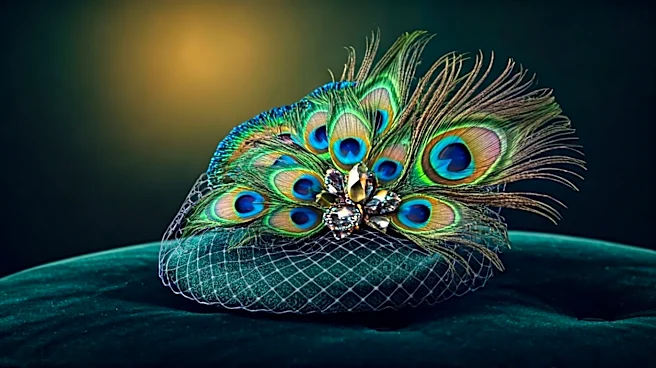
regulations. For ladies, hats are mandatory. Alternatively, a headpiece is acceptable, but it must have a solid base of 4 inches (10cm) or more in diameter. Fascinators—those smaller, often feathered clips popular at other formal events—were famously banned from the Royal Enclosure in 2012 to uphold a higher standard of formality. Men, meanwhile, are required to wear a full morning suit with a black or grey top hat, which must be worn at all times unless in a restaurant, a private box, or on a terrace. In other enclosures, the rules are slightly more relaxed but still emphasize formal headwear, ensuring the entire event maintains its unique sartorial character.
A Tradition Stamped with Royal Approval
So, where did this all come from? The tradition is deeply entwined with the British monarchy itself. Queen Anne founded the Ascot Racecourse in 1711, and the royal procession, where the monarch arrives in a horse-drawn carriage, has kicked off each day of the event since 1825. For decades, the late Queen Elizabeth II was the event’s most influential style icon. Her choice of hat color for the main race day was the subject of intense speculation and even betting odds. Her steadfast commitment to the tradition sent a powerful message: at Ascot, we dress up. This royal patronage elevated the event from a simple horse race to a major high-society occasion, where dressing to impress became part of the implicit contract of attendance. The hat became the ultimate symbol of that contract—a nod to history, decorum, and the presence of royalty.
A Playground for Peacocking
Beyond the rules and royalty, the hats of Ascot serve a more primal function: peacocking. It is a five-day theater of social signaling, creativity, and one-upmanship. A hat at Ascot is a conversation starter. It can signal wealth, artistic sensibility, a sense of humor, or simply a desire to be noticed. Designers and racegoers alike push the boundaries of millinery, creating everything from elegant, wide-brimmed floral arrangements to avant-garde sculptures that seem to defy gravity. There are hats shaped like teacups, entire flower gardens, and abstract orbital rings. For many attendees, planning the hat is more important than studying the race card. It's a rare opportunity in modern life to participate in a collective, full-throated celebration of glamour and sartorial extravagance. You’re not just watching the spectacle; you *are* the spectacle.
An Economic Lifeline for a Niche Craft
The focus on headwear also provides a vital economic boost to an entire industry of artisans. Milliners across the U.K. and beyond see a massive surge in business in the months leading up to Ascot. Esteemed hat-makers like Philip Treacy and Stephen Jones become household names during the event, their creations adorning the heads of royals and celebrities. But it also supports hundreds of smaller, independent designers who rely on the formal season—with Ascot as its crown jewel—to sustain their craft. In a world of fast fashion, the demand for bespoke, handcrafted hats for events like this keeps a legacy of skill and artistry alive. The price tags can range from a few hundred dollars to many thousands, representing an investment in wearable art that is central to the Ascot experience.