
The Ghost of Dylan's Electric Guitar
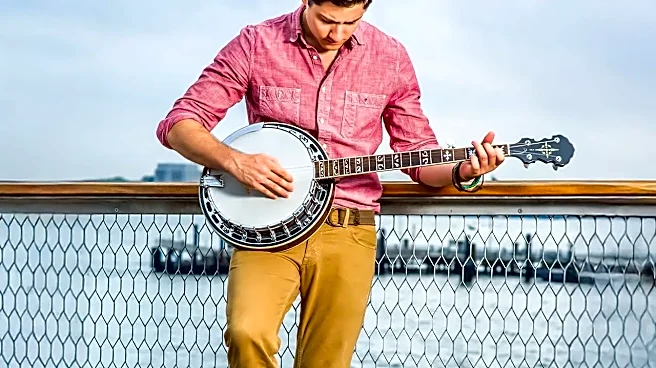
The tension between tradition and innovation is baked into Newport's DNA. The most legendary example, of course, is Bob Dylan's 1965 performance, when he plugged in an electric guitar and was met with a mix of cheers and boos. That single act shattered
the narrow definition of what "folk" could be on its most prestigious stage. It was a declaration that the festival was a living entity, not a museum piece. That rebellious, forward-looking spirit is arguably the festival's most enduring tradition, proving from its early days that it was a space for evolution, not just preservation. Even before Dylan, the festival was a launchpad for careers and a platform for a diversity of American musical traditions, not just one singular sound.
A Lineup That Defies Labels
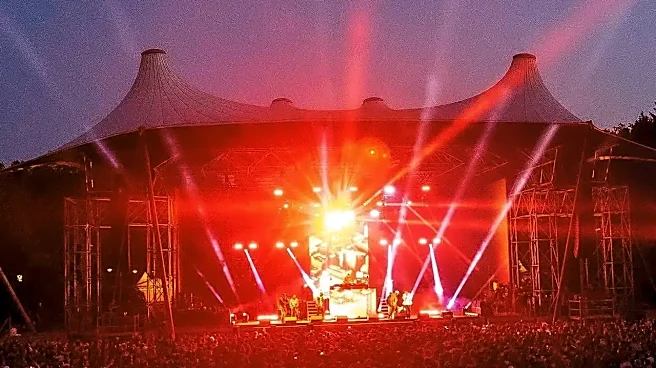
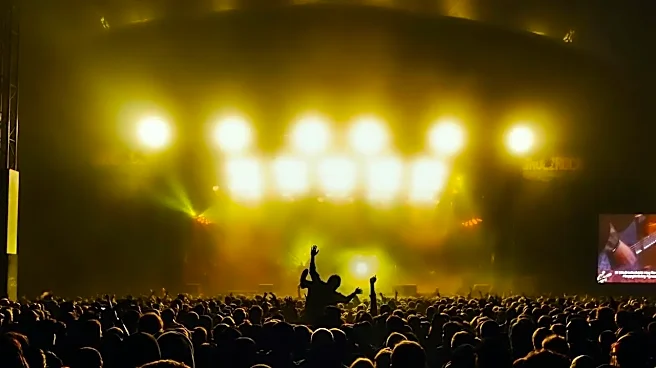
A quick glance at any recent Newport lineup reveals a festival that has fully embraced a broad musical palette. While you'll still find brilliant singer-songwriters, the schedule is packed with artists from indie rock, R&B, hip-hop, soul, and pop. Recent years have seen performances from artists as varied as Tom Morello of Rage Against the Machine, Paramore's Hayley Williams, hip-hop legend Ms. Lauryn Hill, and soul artist Kirby. The festival's curation now defines "folk" not by a specific sound, but by an ethos: music that tells a story, reflects the times, and connects with people on a fundamental level. This modern approach means a single day could offer blues rock, synth-pop, and traditional string bands, all sharing the same hallowed ground at Fort Adams State Park.
The Unannounced Set: A Modern Tradition
One of the most electric elements of the modern Newport experience is the element of surprise. The festival has become legendary for its unannounced guests and once-in-a-lifetime collaborations. In recent memory, icons like Dolly Parton, Paul Simon, and Joni Mitchell have made stunning, unbilled appearances, creating unforgettable moments for the lucky attendees. These surprises are not just gimmicks; they foster a communal, "you-had-to-be-there" atmosphere that technology can't replicate. This tradition extends to pop-up sets on smaller stages and established artists dropping in on each other's performances, turning the entire festival into a sprawling, collaborative jam session. It reinforces the idea that at Newport, anything can happen.
More Than Music: A Platform for Change
From its earliest days, Newport has been intertwined with social and political commentary. During the 1960s, it was a crucial platform for the Civil Rights and anti-war movements, with artists like Pete Seeger, Joan Baez, and the Freedom Singers using the stage to spread their message. That legacy continues today. Artists frequently use their sets to speak on current events and champion causes, from environmentalism to social justice. This activist spirit further broadens the festival's identity. It isn't just a showcase for songs, but a forum for ideas, ensuring that the "folk tradition" of speaking truth to power remains a central part of its character, regardless of the genre of the music being played.