

A Foundation of Real-World Doom
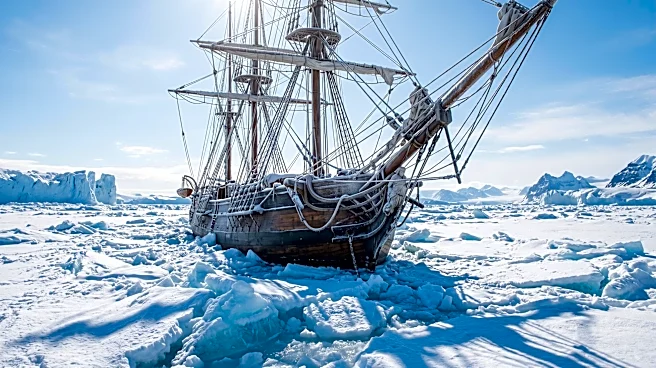
Before any creature appears, the series grounds its horror in historical fact. The real Sir John Franklin's 1845 expedition to find the Northwest Passage was a catastrophe in the making. The show meticulously recreates this, depicting the two advanced
ships, HMS Erebus and HMS Terror, as they become hopelessly trapped in the Arctic ice in 1846. This isn't a haunted house you can flee; it’s an entire frozen world. The dread begins with the authentic, non-supernatural hopelessness of their situation. The endless, creaking pressure of the ice, the dwindling supplies, and the fact that no one is coming to rescue them establishes a baseline of terror. The audience knows, just as the men slowly begin to suspect, that they are already doomed by nature and geography long before any monster enters the picture.
The Enemy Within the Rations
The show brilliantly weaponizes one of the most debated theories about the real expedition: lead poisoning. In the series, the crew’s canned food, sloppily soldered with lead, slowly contaminates their meals. This detail, based on forensic evidence found in the remains of actual crewmen, introduces a terrifying internal threat. The physical decay, like blackened gums, is horrific, but the psychological impact is even more so. Paranoia, confusion, and madness begin to set in. Is a man’s erratic behavior a result of the crushing isolation, or is his mind being unwired by poison? By seeding this historically plausible horror, the show blurs the line between rational explanation and supernatural influence, making every strange event and poor decision feel doubly sinister.
Scurvy, Disease, and Social Collapse
Beyond lead, the show incorporates other historically accurate afflictions that plagued Arctic explorers. Scurvy, a gruesome disease caused by vitamin C deficiency, makes an appearance, with symptoms like old wounds reopening. Tuberculosis and pneumonia were also constant threats in the cramped, damp quarters of a 19th-century naval vessel. This biological horror is compounded by social horror. The rigid Victorian class structure, with its tensions between officers and the regular crew, begins to fracture under the immense pressure. Characters like the scheming Cornelius Hickey exploit the desperation, proving that the worst monsters are sometimes human. This man-made horror, born from ambition and fear, is just as compelling and frightening as the beast on the ice.
Enter the Tuunbaq: A Monster Born from Misery
When the supernatural creature, the Tuunbaq, finally reveals itself, it doesn't feel like a random plot twist. It feels like a physical manifestation of the existing dread. The Tuunbaq, a spirit bear from Inuit mythology, is a 'thing made of muscles and spells'. Its attacks are brutal, but its true power lies in how it complements the established horrors. The crew is already starving, so a predator that hunts them is a natural extension of their fate. They are already losing their minds to lead poisoning, so a mystical beast that consumes souls feels terrifyingly apt. The Tuunbaq is not just a monster; it represents the unforgiving Arctic, a force of nature punishing the hubris of the imperial invaders. It's the ultimate culmination of the death that has surrounded the men from the very beginning, turning their slow, inevitable demise into a visceral, shocking bloodbath.