





When the Red Carpet Was Everything
Not long ago, the relationship between a musical artist and a luxury fashion house at an awards show was simple and transactional. A stylist would call in a look, a brand would lend a gown for the red carpet, and the celebrity would generate press photos. The performance itself? That was often an afterthought for designers. Outfits were built for movement and durability, not necessarily for high-fashion storytelling. The red carpet was the main event; the performance wardrobe was a functional necessity, frequently handled by costume designers rather than creative directors of Parisian ateliers. The goal was a 'Best Dressed' list, not a viral moment that defined a brand’s entire season. Luxury’s involvement typically ended once the artist stepped
off the carpet and headed backstage.
A Stage for Brand Storytelling
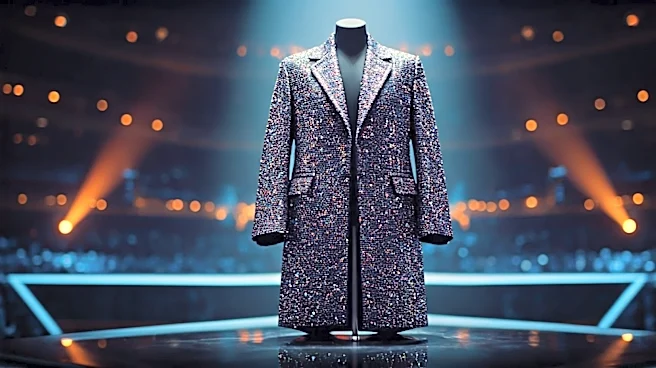
The American Music Awards, with its pop-centric, fan-voted energy, became a laboratory for a new approach. Unlike the more formal Grammys or the cinematic Oscars, the AMAs are built around spectacle. This created a perfect opening for brands to realize that a five-minute, high-energy performance could be a more potent marketing vehicle than a static red carpet photo. A look in motion, tied to a hit song and broadcast to millions of engaged fans, tells a story that a still image cannot. Moments like Cardi B’s 2021 hosting gig, where she cycled through a series of dramatic, custom Schiaparelli looks, weren't just about fashion—they were a statement of brand alignment. The surrealist, bold aesthetic of Schiaparelli was perfectly matched to Cardi's persona, turning the entire show into an extended editorial. Similarly, Jennifer Lopez’s performances, often in custom Versace, reinforce her long-standing relationship with the brand, creating a narrative that extends far beyond a single evening.
The New Designer Playbook
This shift, crystallized on the AMA stage, has rewritten the playbook for luxury brands. The goal is no longer just to dress a star; it's to co-create a cultural moment. A successful performance look is now seen as an audition for a much deeper relationship. Today, a custom tour wardrobe, a brand ambassadorship, or a front-row seat at Fashion Week often follows a show-stopping awards show performance. Brands like Gucci under Alessandro Michele perfected this by creating entire fantasy worlds with artists like Harry Styles and Lana Del Rey, where performance wear and street style blended seamlessly. The performance outfit is now the ultimate piece of content—dynamic, shareable, and tied directly to the artist's cultural currency. It's a live-action campaign ad that fans choose to watch and share, offering an ROI that a traditional magazine ad can't match.
Why the AMAs Became the Epicenter
What is it about the American Music Awards specifically? It comes down to audience and attitude. The fan-voted nature of the AMAs means that popularity and viral appeal are baked into its DNA. The show celebrates what’s hot in pop culture right now, making it a powerful platform for brands wanting to tap into the zeitgeist. Its November slot also positions it perfectly as a kick-off to the broader awards season, allowing artists and brands to set the tone for the months ahead. The atmosphere is less concerned with industry prestige and more focused on pure entertainment, giving artists the freedom to take bigger, more theatrical risks. For a luxury brand, this environment is invaluable. It’s a chance to be playful, to connect with a younger demographic, and to demonstrate relevance in a fast-moving culture—all while being attached to music’s biggest names.