







1. The Lapel's Width and Peak
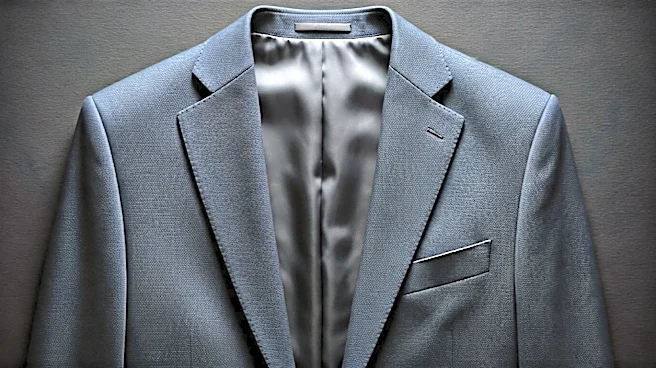
The peak lapel is the whole point—it’s supposed to sweep upwards, drawing the eye to the shoulders and creating a powerful V-shape. A draft pick often goes for extremes: either comically skinny lapels that look pasted on, or massive, runway-only wingspans.
A red-carpet rookie, however, understands proportion. The lapel’s edge should extend roughly to the midpoint between the collar and the shoulder seam. The 'peak' itself should point confidently toward the shoulder, not droop down or point meekly at the ceiling. It’s about balance, not just boldness.
2. The Shoulder: Structure, Not Armor
This is a classic rookie mistake. To look bigger, a draft pick often chooses a jacket with shoulders so padded and wide they create a shelf. You could rest a drink on it. The result is a linebacker silhouette that swallows the neck. A pro’s jacket fits the natural shoulder. Whether it has a soft, 'Neapolitan' construction or a bit of structured padding, the seam should end where the shoulder ends. Any 'divot' or collapse below the seam means the jacket is too big. The goal is to enhance your frame, not wear a different one.
3. The Button Stance and Waist
The placement of the top button (or the middle on a three-button suit, which you should avoid) is called the button stance. It’s the functional waist of the jacket. Draft picks often wear jackets with a low stance, which can look dated and sloppy, or they button every button in sight. A polished wearer knows the top button of a two-button suit should sit just above the navel, creating a high, defined waist. And you *never* button the bottom button. This allows the jacket to drape cleanly over your hips instead of pulling and creasing.
4. The Sleeve Length
Few details separate the amateur from the adept more than sleeve length. Flashy watches often lead to sleeves that are too short, while off-the-rack sizing results in sleeves that swallow the hands. The rule is simple and timeless: with your arms relaxed at your sides, the jacket sleeve should end right at the wrist bone, allowing about a quarter to a half-inch of shirt cuff to show. This sliver of white or blue creates a clean, deliberate transition from suit to hand. It’s a small detail with a massive impact on looking put-together.
5. The Trouser Break
Look at any draft pick’s ankles, and you’ll likely see a pile of crumpled fabric pooling over their dress shoes. This is a full 'break,' and it makes a man look shorter and sloppier. The modern, red-carpet-ready approach is a minimal break. The trouser hem should gently kiss the top of the shoe, creating one slight horizontal crease or none at all. This creates a long, clean, uninterrupted line from the waist down, making you appear taller and leaner. It shows you didn’t just grab the suit; you had it tailored for you.
6. The Fabric: Sheen vs. Texture
New money loves shiny things. This instinct leads many draft picks to suits made of high-sheen, synthetic-heavy fabrics that catch the camera flashes and reflect like a disco ball. It looks cheap. A man who understands suiting gravitates toward quality natural fibers like wool, linen, or a sophisticated blend. These fabrics have a rich, matte finish and a depth of color that absorbs light, making the wearer look elegant and refined. The texture of the fabric, not its shininess, is what signals luxury.
7. The Accessories: Restraint is Key
Finally, the extras. A draft pick often overdoes it: a loud tie, a clashing pocket square, a massive watch, a lapel pin, a tie bar, and a chunky chain all at once. It's a declaration of having arrived, but it’s visually chaotic. The red-carpet rookie has learned the power of editing. They pick one or two focal points. A crisp white pocket square in a simple TV fold. A subtly textured tie. A classic dress watch that slides easily under the shirt cuff. The goal is to complement the suit, not compete with it. When the suit fits this well, it should be the star of the show.