


The Core Conflict: Rules vs. Reality
The fundamental disagreement among fashion experts boils down to one thing: a battle between traditional styling "rules" and modern, individualized approaches. For decades, petite styling was governed by a rigid set of guidelines designed to create the
illusion of height. This philosophy prioritizes creating long, vertical lines through techniques like monochromatic dressing, V-necks, and avoiding anything that visually cuts the body in half. These rules are simple, effective, and easy to follow, which is why they’ve persisted for so long. However, a new wave of stylists argues that these rules are outdated and ignore two crucial factors: a woman's individual body shape (beyond just her height) and her personal style. They champion breaking the rules with intention, proving that petite women can absolutely wear the oversized blazers, wide-leg pants, and midi skirts they were once told to fear.
Old-School Advice: The 'Lengthening' Playbook
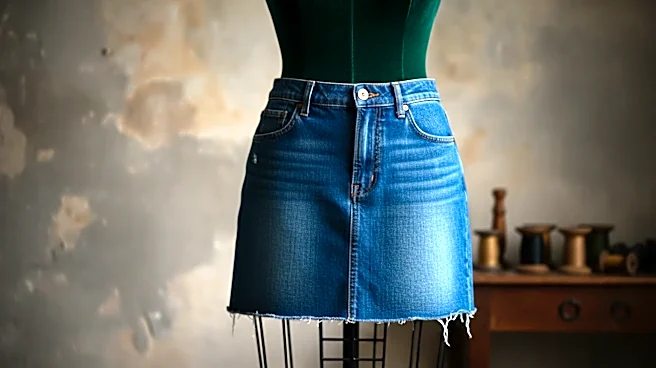
The classic advice you’ve heard a million times is rooted in the goal of making you appear taller. This school of thought suggests a uniform of sorts: cropped jackets that hit at the natural waist, high-waisted trousers to elongate the leg line, and tailored pieces that skim the body without adding bulk. Prints should be small-scale, and accessories, like handbags, should be proportionate to your frame to avoid being overwhelmed. Similarly, hemlines are critical, with stylists recommending skirts that fall above the knee or floor-length styles to avoid cutting the leg line at an awkward spot. This approach isn't wrong—it's a reliable formula for creating a polished, proportional silhouette. However, critics argue it can feel restrictive and lead to a wardrobe that lacks personality and ignores current trends.
The Modern Rebuttal: Style is About Proportions, Not Just Height
Herein lies the “real reason” for the disagreement. Modern stylists argue that being petite is just one aspect of your frame. A 5'2" woman with a pear-shaped body has different styling needs than a 5'2" woman with a rectangular or hourglass shape. This is where the old rules falter. For instance, a cropped jacket might perfectly define the waist on an hourglass figure but uncomfortably highlight the hips on a pear shape. The new philosophy encourages women to understand their unique proportions—like torso-to-leg ratio—and dress accordingly. This might mean pairing trendy wide-leg trousers with a fitted, tucked-in top to maintain balance or choosing a midi skirt with a slit to create a vertical line. It’s less about a list of “don’ts” and more about a strategy of balancing silhouettes.
Your Fall Workwear Blueprint: 3 Rule-Bending Formulas
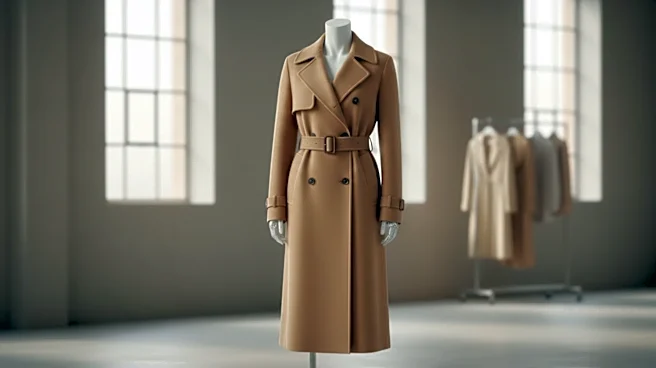
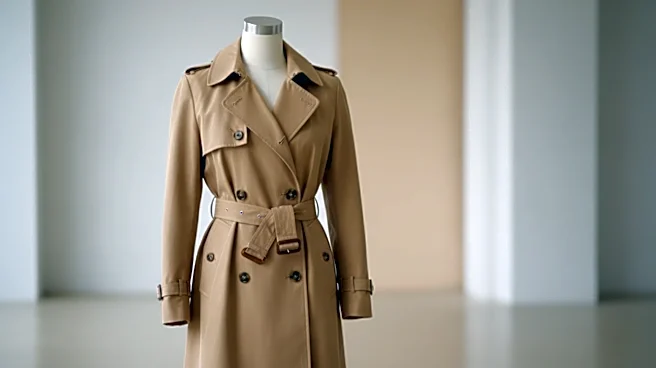
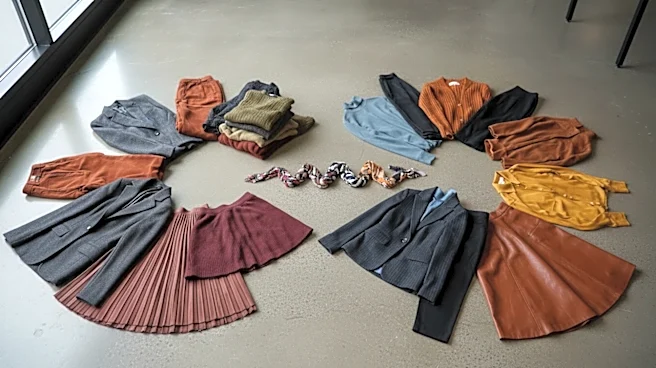
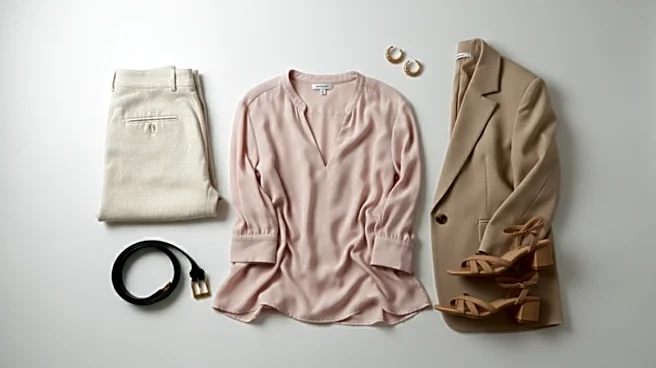
So, how do you apply this to your closet this fall? Instead of focusing on rigid rules, think in terms of adaptable formulas. First, try The Power Column: Wear a single color from top to bottom—like a black knit top with black slim-fit trousers—and add a third piece in a contrasting color, like a chic camel blazer. This creates that desired vertical line while still feeling modern. Second, master Proportional Play: Pair a trending bottom, like pleated wide-leg trousers in a rich fall hue like burgundy or olive green, with a simple, fitted top tucked in. The tucked-in top defines your waist, balancing the volume of the pants. Finally, embrace Modern Suiting: A well-tailored blazer is a petite woman’s best friend. Instead of a full suit, pair a plaid or solid-colored blazer with comfortable stretch-ponte pants or even dark-wash straight-leg jeans for a business-casual environment. The key is ensuring the blazer's shoulders fit perfectly and the sleeves hit at the right spot on your wrist.