



Prioritize Lightweight Fabrics
The number one rule for layering a voluminous piece under a tailored one is to manage bulk. The material of your oversized shirt is your most important consideration. Chunky knits or thick, stiff cotton will inevitably bunch up and create a lumpy, uncomfortable
silhouette under a fitted coat. Instead, opt for shirts made from lightweight, drapey fabrics. Think silk, Tencel, viscose, or very fine-gauge cotton poplin. These materials have movement and will collapse gracefully under the structure of your coat, allowing you to maintain a sleek profile without feeling constricted. The goal is to get the oversized 'look' without the oversized 'feel' of excess fabric getting in the way.
Master the Art of the Tuck
Leaving a long, oversized shirt untucked beneath a fitted coat can visually cut your body in half and create an unbalanced look. This is where strategic tucking becomes your secret weapon. The 'French tuck,' where you only tuck in the very front of the shirt, is a classic for a reason. It defines your waistline, hints at your shape, and creates a high-low hem that looks effortlessly styled. For a cleaner line, you could try a full tuck into high-waisted trousers, which helps to elongate your legs. Another option is the half-tuck, where only one side of the button-down is tucked in for an intentionally asymmetric and relaxed vibe. Each of these methods grounds the outfit and prevents you from looking like you're being swallowed by your clothes.
Balance is Everything: Mind Your Proportions
Successful styling is all about creating a harmonious silhouette. When you have significant volume on top with the shirt-and-coat combination, you must counterbalance it with a streamlined lower half. This is the core principle of proportion play. Pair your oversized top and fitted coat with slim or straight-leg trousers, skinny jeans, or leggings. This contrast is critical; pairing a bulky top with wide-leg or baggy pants is a common mistake that can make an entire outfit feel shapeless and overwhelming. By keeping the bottom half of your outfit fitted, you create an intentional, flattering shape that highlights the interplay between the tailored coat and the relaxed shirt.
Let Your Sleeves and Collar Do the Talking
Small details can make a huge impact. To avoid looking like your layers are fighting each other, use them to create visual interest. Roll or cuff the sleeves of your oversized shirt and let them peek out from the end of your coat's sleeves. This simple trick not only shows off a bit of your wrist, which helps create balance, but it also makes the layering look intentional and adds a pop of color or pattern. Similarly, letting the collar of your button-down sit neatly over the lapels of your coat can frame your face and add a polished, thoughtful touch to the entire ensemble. These details signal that your outfit was purposefully put together.
Choose the Right 'Fitted' Coat
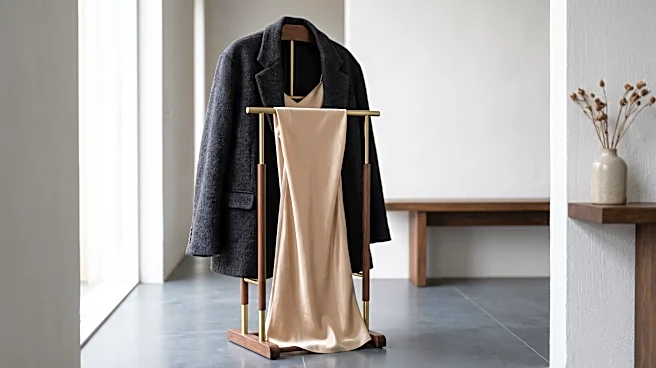
The term 'fitted' doesn't have to mean skin-tight. In fact, a coat that's too restrictive will make this look impossible. The ideal coat is one that is structured and tailored, but still offers a little room to move. Look for coats with clean lines and defined shoulders, but ensure there's enough space in the armholes and across the back to accommodate a layer underneath without pulling or straining the seams. A single-breasted wool overcoat, a classic trench, or a lightly structured blazer can all work beautifully. The key is that the coat should create a sharp outer shape while allowing the softer shirt to exist comfortably underneath it.